


Norden Leacox Accident & Injury Law | October 9, 2026 | Car Accident Lawyer Near Orlando Florida
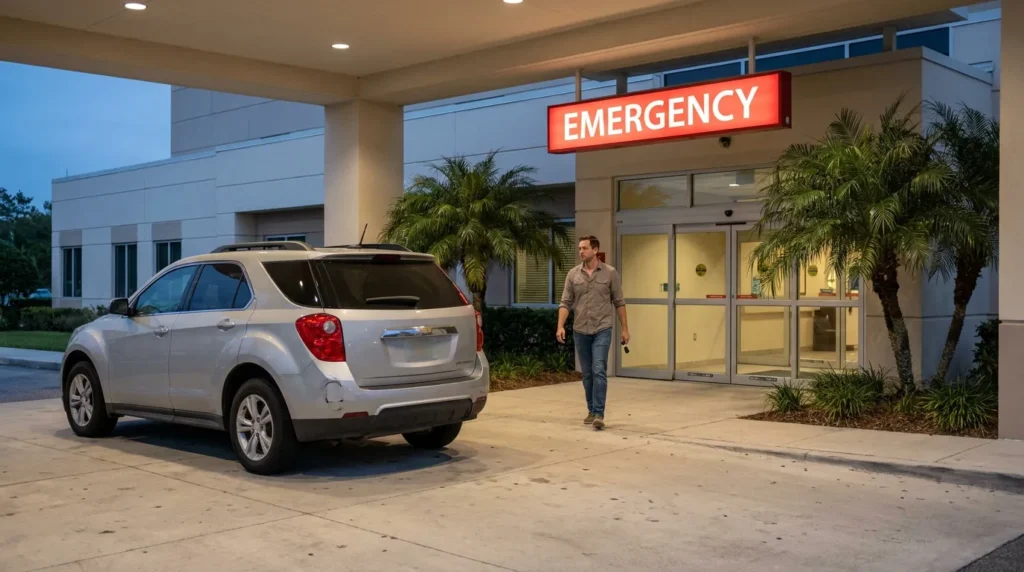
Feeling Fine After an Orlando Crash Does Not Mean You Are Uninjured
Key Takeaways: Yes, you should usually go to the ER or urgent care after a car accident in Orlando even if you feel fine, because adrenaline and shock can hide injuries like whiplash for hours or days. Florida’s No-Fault law generally requires you to get your first medical care within 14 days of the crash to qualify for PIP medical benefits. Those benefits generally cover 80% of reasonable, medically necessary expenses, up to your policy limit. Early treatment creates a record that ties your injuries to the crash date, making it harder for insurers to use treatment gaps to argue you weren’t hurt. Florida also generally gives you only two years to file a negligence lawsuit for crashes after March 24, 2023, and this deadline is separate from the PIP rule. Go to all follow-up appointments, report every symptom, and keep your medical records. Talking to an Orlando car accident attorney early can help protect your health and your rights.
In many cases, yes: going to the ER after a car accident is a smart move even when you feel fine. The rush of a collision can hide pain for hours or days. Under Florida’s No-Fault law, waiting more than 14 days to get care can also cost you PIP medical benefits. A prompt medical visit can protect your health, create a record of your injuries, and keep your legal options open.
If you were hurt in a crash and have questions about your medical care or your rights, help is available. The team at Norden Leacox works with Orlando crash victims to document injuries and pursue fair compensation. Call 407-801-3000 or contact us now to talk through your situation.
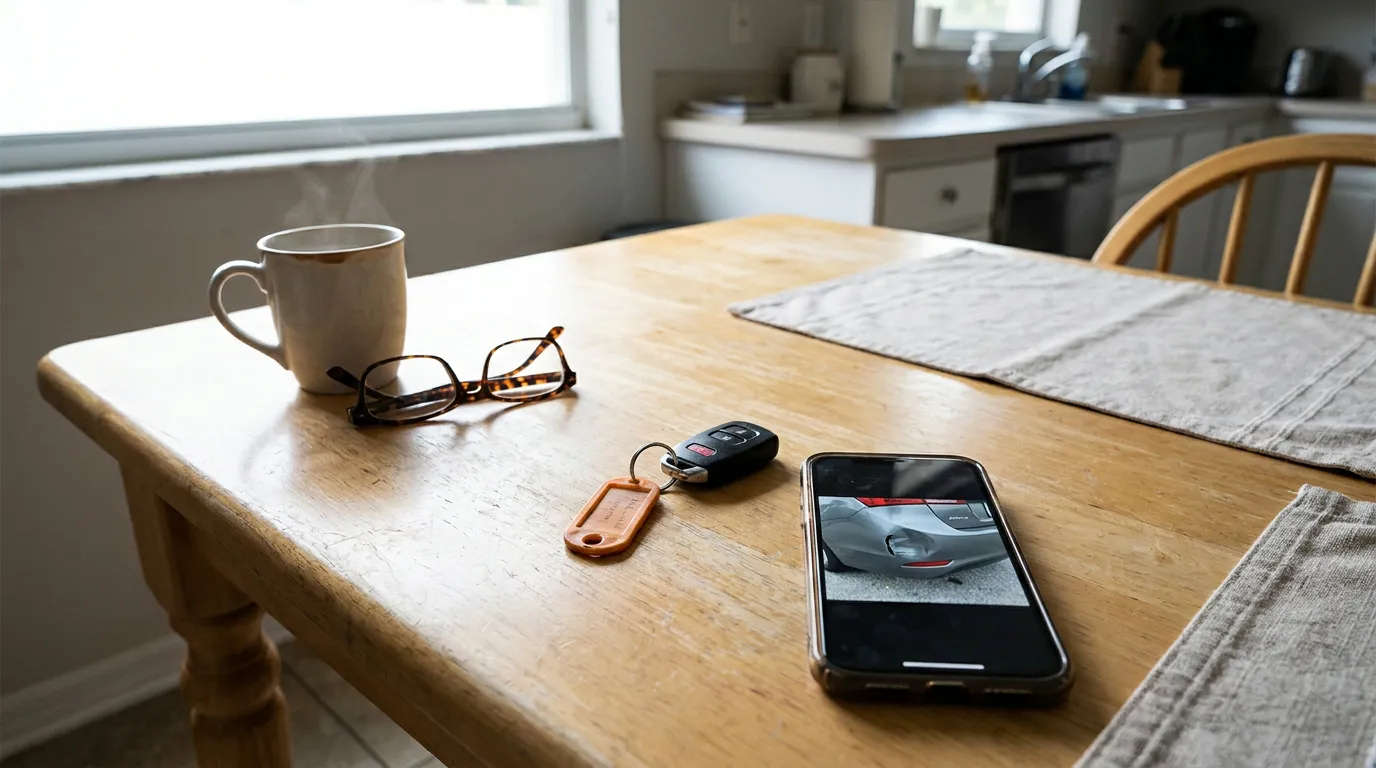
Why You Can Feel Fine After a Crash and Still Be Hurt
Many injured people walk away from a wreck thinking nothing is wrong. Stress, shock, and adrenaline can make you feel steady at the scene. Once that response fades, pain and stiffness often appear, which is why so many people report delayed pain after a car accident.
Whiplash: A Common Injury With No Visible Wounds
Whiplash is one of the most common injuries that can go unnoticed at first. According to UF Health’s overview of whiplash, this neck injury happens when the head and neck snap quickly back and forth. Car collisions, especially rear-end crashes, are a frequent cause. You can have whiplash without a single cut or bruise.
Whiplash symptoms can include:
- Neck pain and stiffness
- Headaches
- Reduced range of motion in the neck
- Dizziness
- Fatigue
Some of these symptoms may not show up right after the crash. A person who feels fine at the scene may wake up the next morning unable to turn their head. That delay is normal for many soft-tissue injuries.
Why Self-Checks Fall Short
You cannot rule out a serious injury just by how you feel. Diagnosing whiplash and related injuries usually involves a medical exam. A doctor may also order imaging, such as X-rays, CT scans, or MRIs, to check for fractures or other structural damage.
The 14-Day PIP Rule Every Florida Driver Should Know
Florida’s No-Fault system sets a strict medical deadline that catches many people off guard. Under Florida’s Personal Injury Protection statute, Fla. Stat. § 627.736(1)(a), PIP generally covers 80% of reasonable, medically necessary medical, surgical, X-ray, dental, and rehabilitative expenses, up to the $10,000 policy limit. That coverage applies only if you receive your first care within 14 days after the accident, from a qualifying provider such as a physician, osteopath, chiropractor, dentist, hospital, or emergency medical services.
What Happens If You Wait
If you delay care past the 14-day window, you may lose PIP medical benefits entirely. Picture an Orlando driver who feels fine after a fender-bender and skips the doctor. Three weeks later, neck pain and headaches set in. Because the first treatment came after day 14, PIP generally does not have to pay for that care, even if the crash caused the injury.
This rule is one of the most concrete reasons to seek care soon after a crash. Other PIP rules also affect your coverage. For example, medical benefits are generally capped at $2,500 unless a qualified provider determines you had an emergency medical condition.
💡 Pro Tip: Keep copies of every discharge paper, prescription, and referral from your first visit. These documents show the date you first got care, which can matter if your PIP claim is questioned.
How Early Care Protects Your Claim
Early medical care builds the record you may need if you file a car accident injury claim in Orlando. Insurers look closely at the timeline between a crash and your first treatment. When there is a gap, they may argue your injury came from something else or is not serious. A prompt visit can help tie your symptoms to the crash date.
How Insurers Use Treatment Gaps
Insurance companies and defense lawyers often point to delays in treatment to reduce what they pay. They may suggest you were not really hurt, or that a later event caused your pain. A delay does not automatically defeat a claim, but it can give the other side an argument. Consistent medical records can help counter these tactics.
Following through after the first visit matters too. Attend follow-up appointments, fill prescriptions, and tell your providers about every symptom, even minor ones. If new pain appears later, our guide on handling delayed pain after a car accident explains practical next steps.
| Action After a Crash | Health Benefit | Claim Benefit |
|---|---|---|
| ER or urgent care visit within days | Early diagnosis and imaging | Can help link injuries to the crash date |
| First care within 14 days from a qualifying provider | Timely treatment | Can help preserve PIP medical benefits under § 627.736(1)(a) |
| Consistent follow-up care | Supports recovery | Reduces treatment gaps insurers may cite |
| Reporting all symptoms | Complete medical picture | Helps document the full scope of damages |
Florida’s Filing Deadline for Car Accident Lawsuits
Florida generally gives injured people two years to file a negligence lawsuit after a car accident. Under Fla. Stat. § 95.11(5)(a) (formerly numbered § 95.11(4)(a) in the 2023 statutes), as amended by HB 837 (Ch. 2023-15, Laws of Florida), an action founded on negligence must generally be brought within two years. This applies to causes of action accruing after March 24, 2023.
Why Older Articles May Be Wrong
Before the 2023 amendment, Florida gave negligence claims four years. Many older websites still list the four-year period. For crashes on or before March 24, 2023, the four-year period may still apply, but for recent crashes the two-year deadline generally governs. Tolling or other exceptions may apply in limited circumstances, but courts tend to read them narrowly.
The PIP 14-day rule and the two-year lawsuit deadline are separate. The PIP rule governs your own insurance benefits, while § 95.11 governs when you can sue an at-fault party. The clock keeps running whether or not you have seen a doctor, and missing either deadline can create serious problems, so track both from the start.
What to Do in the Hours and Days After an Orlando Crash
Your first steps after a collision can shape both your recovery and your claim. If anyone has obvious injuries, call 911 right away. If you feel fine, consider these steps:
- Get evaluated at an ER or urgent care, ideally the same day or soon after.
- Describe exactly how the crash happened and every symptom, however small.
- Watch for new pain, stiffness, headaches, or dizziness in the following days.
- Keep a simple daily journal of symptoms and missed activities.
- Save medical bills, receipts, and records in one place.
Talking with an Orlando car accident attorney early can help you understand your deadlines and options. An Orlando car accident attorney can review your PIP benefits, gather evidence, and deal with insurers so you can focus on healing.
💡 Pro Tip: Avoid giving a recorded statement to the other driver’s insurer before you understand your injuries. Early statements like "I’m fine" may later be used to downplay symptoms that appeared after the crash.
Frequently Asked Questions
1. Should I see a doctor after a crash if I have no pain?
In many cases, yes. Injuries like whiplash may not cause symptoms right away. A medical exam, and imaging when needed, can catch problems early and create a record tied to the crash.
2. Does Florida law require me to go to the ER after a car accident?
No Florida statute requires an ER visit specifically. However, Fla. Stat. § 627.736(1)(a) requires initial care within 14 days to qualify for PIP medical benefits. Urgent care may also meet that requirement if the care comes from a qualifying provider.
3. What if my pain started a week after the crash?
Delayed pain after a car accident is common. If you are still within 14 days of the crash, seeking care promptly may help preserve PIP benefits. Tell your provider when the crash happened and when symptoms began.
4. How long do I have to file a car accident injury claim in Orlando?
For causes of action accruing after March 24, 2023, Fla. Stat. § 95.11(5)(a) generally sets a two-year deadline for negligence lawsuits. Narrow exceptions may apply, so it is wise to act well before the deadline.
5. Can skipping the ER hurt my case?
It may. Insurers often use treatment gaps to argue an injury was unrelated or minor. A delay does not automatically end a claim, but prompt care generally puts you in a stronger position.
Protecting Your Health and Your Rights Starts With One Visit
Feeling fine after a crash is not a reliable sign that you escaped injury. Whiplash and other soft-tissue injuries often surface later, and Florida’s 14-day PIP rule leaves little room for waiting. Going to the ER or getting prompt urgent care can give you a medical baseline, may support your benefits, and can help document your injuries if you pursue compensation.
If you or a loved one was hurt in an Orlando crash, you do not have to sort out PIP rules and deadlines alone. Reach out to Norden Leacox to discuss your options. Call 407-801-3000 or schedule a consultation today.
Disclaimer: This content is for informational purposes only and is not legal advice. Every case is unique, and results may vary. Consult an attorney about your specific circumstances.