


Norden Leacox Accident & Injury Law | October 2, 2026 | Personal Injury
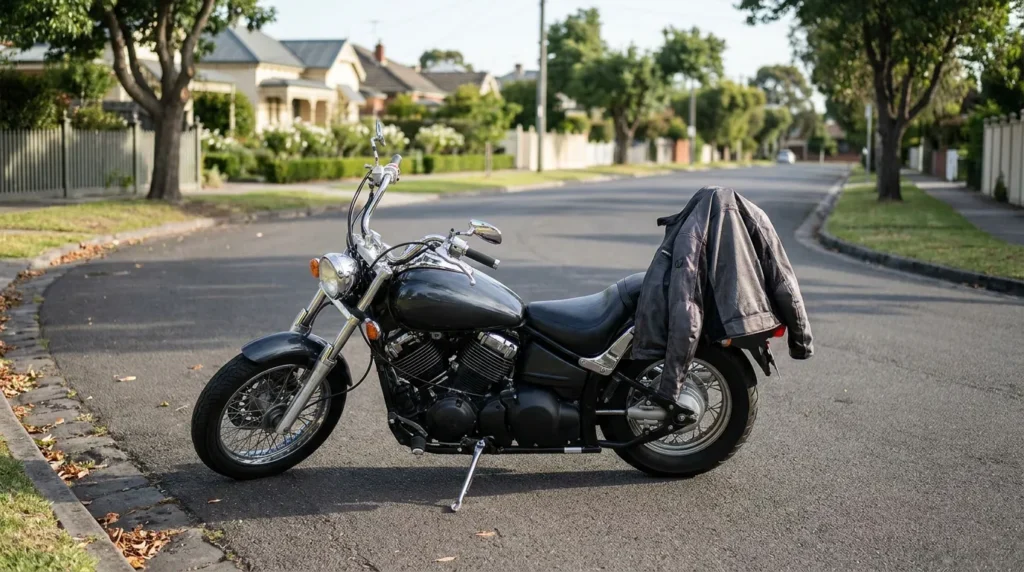
Understanding Nerve Damage That Follows a Melbourne Motorcycle Wreck
Key Takeaways: A brachial plexus injury affects the nerve network from neck to arm and hand, commonly occurring when a Melbourne rider is thrown from a motorcycle and the shoulder is violently forced away from the head. Damage may be classified as neurapraxia, rupture, avulsion, or neuroma, with avulsion injuries rarely recovering fully. Recovery requires proving duty, breach, causation, and damages, though causation is often contested when insurers blame preexisting conditions. Florida’s modified comparative negligence rule reduces damages by a rider’s fault percentage and bars recovery when a party is more than 50 percent at fault. Because surgical grafting, therapy, and long-term wage loss often exceed policy limits, identifying every coverage layer, including vicarious liability and heightened DUI financial responsibility limits, can influence recovery. For claims accruing on or after March 24, 2023, negligence actions must be filed within two years.
A brachial plexus injury is trauma to the nerve network running from the neck through the shoulder into the arm and hand. When a rider is thrown from a bike and lands on the shoulder or head, those nerves can stretch, tear, or pull away from the spinal cord. The result may be numbness, burning pain, weakness, or full arm paralysis. In serious cases, loss of function can be permanent.
If you are dealing with a nerve injury after a bike crash, the team at Norden Leacox can review what happened and explain your options. Call 407-801-3000 or contact us now to discuss your situation.
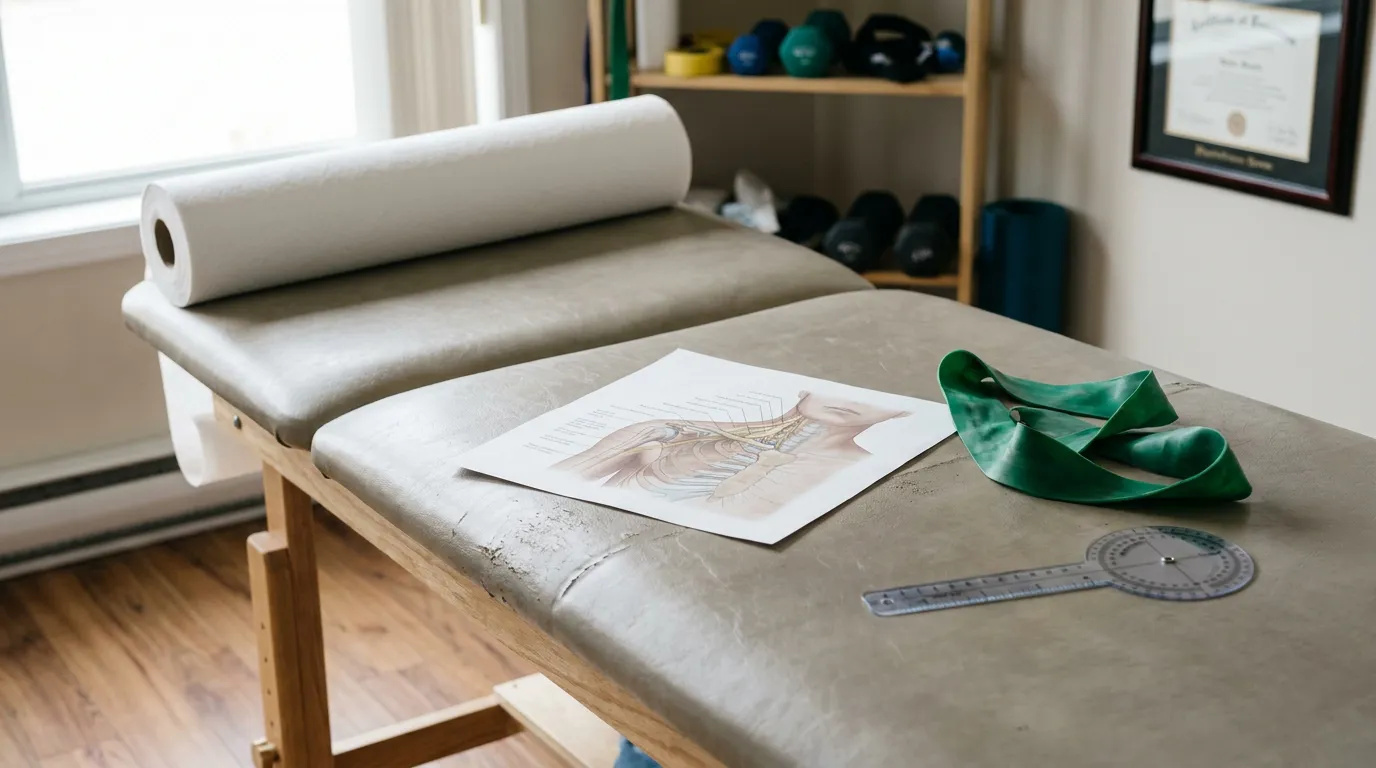
How a Brachial Plexus Injury Motorcycle Accident Happens
The mechanism is often violent separation between head and shoulder. When a driver turns left across a rider’s path or fails to yield, the rider is launched over the handlebars. When the shoulder drives downward while the neck bends the opposite direction, the brachial plexus takes the full stretching force.
Motorcyclists face this risk more than occupants of enclosed vehicles. Riders lack the roll cages, seat belts, and containment structures found in cars, which is why arm-and-shoulder nerve trauma is a recognized concern in motorcycle crashes.
Grades of Nerve Damage Riders Commonly Sustain
Physicians classify these injuries by severity:
- Neurapraxia: the nerve is stretched but not torn; function may return over weeks or months.
- Rupture: the nerve tears along its length and typically requires surgical grafting.
- Avulsion: the nerve root pulls off the spinal cord entirely, the most severe form that rarely recovers fully.
- Neuroma: scar tissue forms at a healing site and interferes with signal transmission.
💡 Pro Tip: Ask whether your treating physician has ordered EMG or nerve conduction studies. These objective tests document dysfunction that an insurance adjuster cannot easily dismiss as subjective complaint.
Proving Fault When Nerve Trauma Is the Central Harm
A negligence claim requires showing the other driver owed a duty of reasonable care, breached that duty, that the breach caused the crash, and that the crash produced compensable damages. With shoulder nerve trauma cases, causation frequently becomes contested since insurers may argue a degenerative shoulder condition predated the wreck. Florida law does not bar recovery merely because a preexisting condition existed; a defendant may still be responsible for aggravation.
Preserving evidence immediately after impact matters enormously. Photographs of the roadway, bike position, and damage to the rider’s gear may help corroborate the mechanism of injury a surgeon later describes. Our discussion of what riders should do after a crash walks through those early steps.
Fault Sharing Under Florida’s Comparative Negligence Rule
Florida now applies a modified comparative negligence standard with a hard cutoff. Under Fla. Stat. § 768.81(2) (2024), contributory fault chargeable to the claimant "diminishes proportionately the amount awarded" but "does not bar recovery, subject to subsection (6)." That subsection provides that "any party found to be greater than 50 percent at fault for his or her own harm may not recover any damages," except for medical negligence actions. This modified standard applies to negligence actions accruing on or after March 24, 2023.
Defendants may try to spread fault beyond the parties in the courtroom. Under Fla. Stat. § 768.81(3)(a)1.-2., nonparty fault must be affirmatively pled and proven by a preponderance of the evidence. You can review the full text of the comparative fault statute for the precise language.
Helmet Use and What It Does Not Do to Your Claim
Florida gives adult riders a choice, and that choice is generally not a defense to negligence. Fla. Stat. § 316.211 requires protective headgear complying with Federal Motorcycle Vehicle Safety Standard 218, with an exception permitting riders over 21 to ride without a helmet if "covered by an insurance policy providing for at least 10,000 dollars in medical benefits." A violation is "a noncriminal traffic infraction."
Helmet status generally has little bearing on shoulder nerve roots, and a lawful choice not to wear a helmet is not itself negligence, though defense counsel may attempt to raise it as a comparative fault argument.
Insurance Coverage That May Fund a Nerve Injury Recovery
Serious nerve injuries often exceed single policy limits. Surgical nerve grafting, nerve transfers, months of therapy, and long-term wage loss can push a claim well past standard limits, so identifying every available coverage layer is critical to recovery.
| Coverage Source | Statutory Reference | Why It Matters to a Rider |
|---|---|---|
| Permissive-user owner liability | Fla. Stat. § 324.021(9)(b)3 | Natural-person owner may be vicariously liable up to $100,000 per person and $300,000 per incident for bodily injury, plus $50,000 property damage |
| Additional exposure when operator underinsured | Fla. Stat. § 324.021(9)(b)3 | Up to an additional $500,000 in economic damages only, reduced by amounts actually recovered from the operator and the operator’s insurance |
| DUI driver financial responsibility | Fla. Stat. § 324.023 | $100,000 / $300,000 bodily injury and $50,000 property damage, maintained for a minimum of 3 years |
The owner caps in § 324.021(9)(b)3 limit vicarious liability under the dangerous instrumentality doctrine only; they do not cap an owner’s liability for independent negligence, such as negligent entrustment, and do not apply to corporate owners.
Crashes caused by impaired drivers may carry elevated coverage requirements. Fla. Stat. § 324.023 requires a driver convicted of DUI to maintain heightened coverage for at least three years following license reinstatement.
Damages Available in a Brachial Plexus Injury Motorcycle Accident Claim
Economic damages often form the backbone of serious nerve injury claims. Fla. Stat. § 768.81(1)(b) defines economic damages to include past and future lost income reduced to present value and past and future medical expenses. For a rider whose dominant arm no longer functions reliably, future earning capacity is frequently the largest category and generally requires vocational and economic testimony.
Noneconomic damages may address the human cost receipts cannot capture. Chronic neuropathic pain, sleep disruption, loss of independence, and the inability to hold a child or return to riding may fall within this category.
When Punitive Damages May Enter the Picture
Punitive damages remain available only in narrow circumstances. Under Fla. Stat. § 768.72(2), "a defendant may be held liable for punitive damages only if the trier of fact, based on clear and convincing evidence, finds that the defendant was personally guilty of intentional misconduct or gross negligence." Section 768.72(1) requires a court to find a reasonable evidentiary basis before a punitive claim may be pled.
Deadlines That Can End a Nerve Damage Claim in Florida
Most riders generally have two years from the crash date to file a negligence lawsuit. Fla. Stat. § 95.11(4)(a) (2024) places "an action founded on negligence" within the two-year category for causes of action accruing on or after March 24, 2023. Missing that deadline generally bars recovery regardless of injury severity. Claims that accrued before that date remain subject to the former four-year period.
Different claims from the same crash can carry different deadlines. Medical negligence actions must be commenced within two years of the incident or its discovery with due diligence, and "in no event… later than 4 years from the date of the incident" under Fla. Stat. § 95.11(4)(c). Medical negligence claims also require presuit investigation and notice under chapter 766. The Florida Senate publishes the Florida limitations periods in full.
💡 Pro Tip: Nerve recovery is often assessed over 12 to 18 months before surgeons decide on grafting or transfer. That clinical timeline can consume most of the two-year window, which is one reason riders benefit from involving counsel early.
Working With a Melbourne FL Motorcycle Attorney
These cases are often document-heavy and medically technical. Building a credible claim generally involves coordinating treating surgeons, neurologists, life care planners, and economists. An experienced motorcycle injury lawyer Melbourne riders trust can investigate whether additional policies or responsible parties exist.
Frequently Asked Questions
1. How long do I have to file a brachial plexus injury claim in Florida?
Generally two years from the crash under Fla. Stat. § 95.11(4)(a) for negligence actions accruing on or after March 24, 2023; earlier claims fall under the prior four-year period.
2. Can I recover if I was partly at fault for the crash?
Yes, if you are 50 percent or less at fault. Under Fla. Stat. § 768.81(2) damages are reduced proportionately, and § 768.81(6) bars recovery if a party is more than 50 percent at fault, except in medical negligence actions.
3. Does riding without a helmet hurt my nerve injury claim?
Not automatically. Fla. Stat. § 316.211 permits riders over 21 with at least $10,000 in medical benefits coverage to ride without headgear, and a violation is only a noncriminal traffic infraction. Whether helmet evidence is admissible is fact-specific.
4. What if the driver who hit me had minimal insurance?
Other coverage layers may apply. Fla. Stat. § 324.021(9)(b)3 addresses vicarious liability of a natural-person vehicle owner for permissive users, including additional economic-damage exposure when the operator is uninsured or underinsured. Uninsured/underinsured motorist coverage, if purchased, may also respond.
5. Are punitive damages available for a drunk driver crash?
Only under limited circumstances. Fla. Stat. § 768.72 requires court approval of a reasonable evidentiary basis before pleading, and clear and convincing evidence of intentional misconduct or gross negligence before punitive damages may be awarded.
Protecting Your Recovery After a Serious Nerve Injury
A brachial plexus injury from a Melbourne motorcycle crash can permanently change how you work, sleep, and care for your family. Florida law may provide a path to compensation through the negligence framework in chapter 768 and the coverage requirements in chapter 324, but that path is bounded by strict filing deadlines, the bar on recovery for a party more than 50 percent at fault, and the challenge of proving the crash caused or aggravated the nerve damage. Acting early may help preserve both evidence and options.
If you or a loved one suffered nerve trauma in a Brevard County motorcycle injury, the attorneys at Norden Leacox are available to review your claim. Call 407-801-3000 or schedule a free consultation to learn where you stand.
Disclaimer: This content is for informational purposes only and is not legal advice. Every case is unique, and results may vary. Consult an attorney about your specific circumstances.