


Norden Leacox Accident & Injury Law | October 7, 2026 | Car Accidents
The Small Computer Inside Your Car That Can Prove What Really Happened
Key Takeaways: An event data recorder, or "black box," captures technical data around a crash, including speed, braking, steering, seat belt status, and airbag deployment. In an Orlando car accident case, that objective record may corroborate your account when memories conflict. Because Florida apportions damages by percentage of fault under Fla. Stat. § 768.81 and generally bars recovery for anyone more than 50 percent at fault for claims accruing on or after March 24, 2023, precise crash data can determine whether a claim survives and its value. EDR data is generally the vehicle owner’s property under federal law, so obtaining another driver’s download usually requires consent, a preservation demand, or legal process. Because modules may overwrite data and vehicles are often repaired or salvaged within weeks, acting quickly is critical.
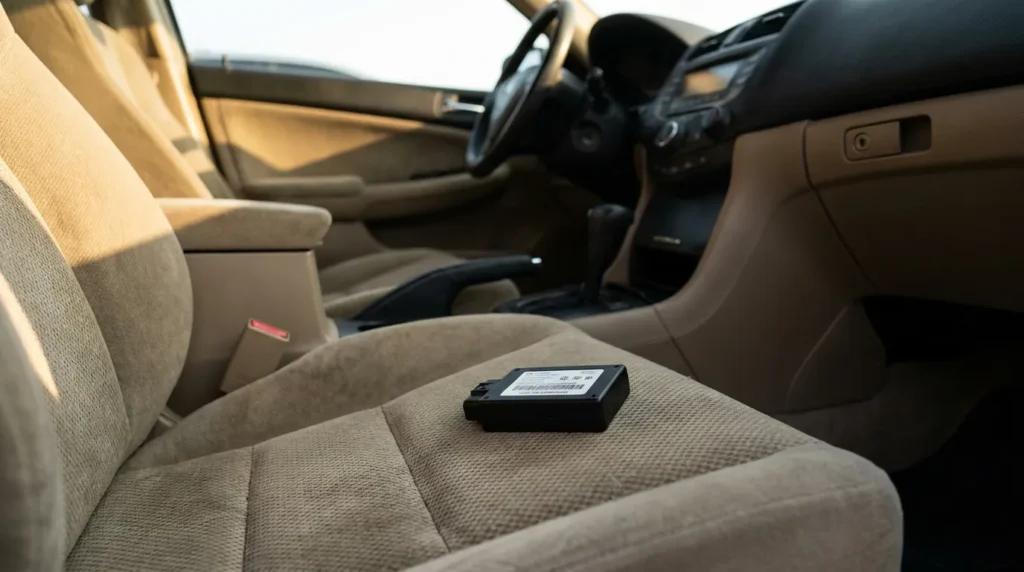
An event data recorder, often called a "black box," is a small electronic module in most modern vehicles that captures technical information in the seconds surrounding a crash, including pre-impact speed, throttle position, brake application, steering input, seat belt status, and airbag deployment timing. This vehicle-generated data serves as objective evidence when accounts conflict.
If you were injured in a Central Florida collision and believe vehicle data could support your case, the team at Norden Leacox is ready to help you act quickly. Call 407-801-3000 or reach out to our team today to discuss preserving crash evidence before it disappears.
What an EDR Records and Why It Matters After a Crash
Event data recorders generally capture a narrow window of vehicle performance data, typically a few seconds before and during a collision. Federal regulation at 49 C.F.R. Part 563 defines EDR data and prescribes data elements that must be captured by light vehicles manufactured on or after September 1, 2012 that are voluntarily equipped with an EDR. The federal Driver Privacy Act of 2015 frames EDR data as belonging to the owner or lessee of the vehicle, subject to exceptions including a court order, owner consent, certain safety research uses, and emergency medical response.
The practical value of a vehicle black box in Orlando cases lies in its objectivity. Witnesses forget details, drivers minimize their conduct, and skid marks fade within days. A download showing a vehicle traveling well above the posted limit, or that the driver never touched the brake pedal, may corroborate an injured person’s version in ways testimony alone rarely does.
Common Data Points Attorneys Look For
- Pre-crash speed and change in velocity at impact
- Throttle percentage and brake status in the final seconds
- Steering angle and evasive maneuvers
- Seat belt buckle status for driver and front passenger
- Airbag deployment timing and recorded events
💡 Pro Tip: If your vehicle is a total loss, do not authorize the insurer to dispose of it or sell it at salvage auction until you have spoken with an attorney. Once the vehicle is crushed, the module and its data may be gone permanently.
How a Florida Car Accident Event Data Recorder Affects Fault
Florida’s comparative fault framework can make precise crash data unusually important. Under Fla. Stat. § 768.81(3), the court enters judgment against each party based on its percentage of fault, not joint and several liability. Each defendant pays only its own share, so the percentage assigned may determine the practical value of a claim.
Florida also applies a modified comparative negligence bar. Under Fla. Stat. § 768.81(6), any party found more than 50 percent at fault for his or her own harm may not recover damages, with an exception for medical negligence actions. This bar applies to negligence causes of action accruing on or after March 24, 2023; earlier claims remain governed by pure comparative negligence. A florida car accident event data recorder download establishing another driver’s speed or failure to brake may be the difference between a claim that survives and one that does not.
Even when an injured driver shares some blame, EDR evidence may still preserve substantial recovery. Fla. Stat. § 768.81(2) provides that contributory fault diminishes proportionately the amount awarded as damages but does not bar recovery, subject to the 50 percent threshold. Reducing an assigned percentage from 40 percent to 15 percent through objective data can be worth a great deal.
When Defendants Blame Someone Who Is Not in the Lawsuit
Florida generally permits defendants to shift fault to non-parties, but only if they plead and prove it. Under Fla. Stat. § 768.81(3)(a), a defendant must affirmatively plead non-party fault, identify the non-party specifically, and prove that fault at trial by a preponderance of the evidence. In multi-vehicle pileups, downloads from several vehicles may support or rebut those allegations.
Who Can Obtain Crash Records and Vehicle Data in Florida
Florida restricts access to crash-related records. Fla. Stat. § 316.066(2) makes crash reports confidential and exempt from public disclosure for 60 days after filing, while allowing immediate access by the parties involved, their legal representatives, their licensed insurance agents, and their insurers. Those Florida traffic crash report rules are why retaining counsel early may accelerate access.
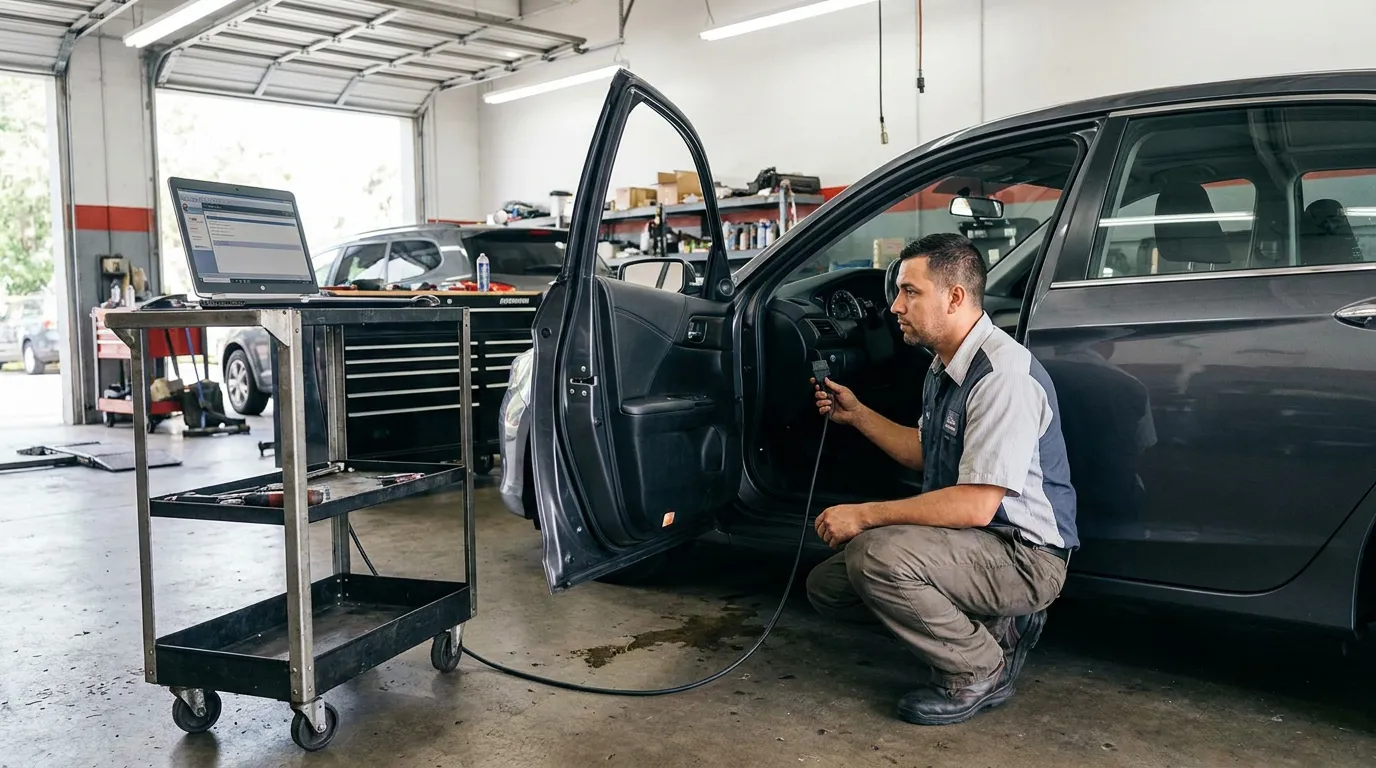
Getting to the data inside another driver’s vehicle is harder. Because the module generally belongs to the vehicle owner or lessee, an attorney may need written consent, a preservation letter, a court order, or formal discovery to obtain a download.
| Evidence Source | Typical Access Route | Common Risk |
|---|---|---|
| Police crash report | Statutorily authorized parties and representatives | Limits on evidentiary use |
| Your own vehicle’s EDR | Owner consent and a qualified download | Data overwritten or vehicle salvaged |
| Another vehicle’s EDR | Consent, preservation demand, or court process | Vehicle repaired or destroyed first |
| Insurer-performed download | Discovery in litigation | Delay in disclosure |
Why the Police Report Is a Starting Point, Not the Finish Line
Serious Florida crashes generally generate an official report, but that report may carry evidentiary limitations. Fla. Stat. § 316.066(4) provides that crash reports and statements made for the purpose of completing a report are generally inadmissible in any trial, civil or criminal. The statute’s limited exceptions include allowing a law enforcement officer to testify at a criminal trial about statements made to the officer (provided the person’s privilege against self-incrimination is not violated), and providing that breath, urine, and blood test results remain admissible. Facts an officer independently observes and underlying evidence a report identifies may still be proved through other admissible means.
Drivers also have notification duties immediately after a wreck. Fla. Stat. § 316.065 requires the driver of a vehicle involved in a crash resulting in injury, death, or apparent property damage of at least $500 to immediately notify local law enforcement. That report often identifies every vehicle, VIN, and insurer an attorney may later need to pursue a black box car accident claim.
Building a Case Around Crash Data Recorder Evidence
EDR evidence generally works best as one piece of a broader evidentiary picture. Pairing a download with medical records, surveillance video, and scene photographs creates a more persuasive narrative than any single source.
Procedure matters as much as substance when preserving accident evidence. Under Florida rules on written statements, Fla. Stat. § 92.33 requires anyone who takes a written statement from an injured person about an accident to furnish a complete copy to that person. The same discipline applies to crash data: improper collection, chain-of-custody gaps, or an unqualified download can create authentication and admissibility problems. For more on documentation strategy, our overview of evidence in an Orlando injury claim walks through what strengthens a case.
💡 Pro Tip: Photograph the VIN, make, model, and year of every vehicle involved at the scene if you are able. EDR availability and the tools needed to read a module vary by manufacturer and model year.
Frequently Asked Questions
1. Does every vehicle have an event data recorder?
No, though the majority of modern passenger vehicles do. Federal law does not mandate installation, and availability varies by manufacturer, model, and year. A qualified technician can generally determine whether a readable module exists after a collision.
2. Can I get the black box data from the other driver’s car?
Not automatically. Because EDR data is generally the property of the vehicle’s owner or lessee under federal law, access typically requires consent, a preservation demand, or legal process such as discovery or a court order. Moving quickly matters, since a repaired or salvaged vehicle may no longer hold usable data.
3. What if the data shows I was partly at fault?
Partial fault does not necessarily end a claim in Florida. Under Fla. Stat. § 768.81(2) and (6), damages are reduced in proportion to a claimant’s share of fault, and for negligence claims accruing on or after March 24, 2023, a party found more than 50 percent at fault may not recover. An honest early assessment of the data may allow counsel to address weaknesses rather than be surprised.
4. How long do I have before EDR data is lost?
There is no fixed timeline, and that is the problem. Some modules may overwrite non-deployment data after subsequent ignition cycles, and vehicles are often repaired, sold, or crushed within weeks. Preservation demands sent early are the most reliable protection.
5. Is EDR data enough to win a case by itself?
Rarely. Crash data addresses vehicle behavior, not the full scope of duty, breach, causation, and damages. It generally supports rather than replaces medical proof, witness testimony, and reconstruction analysis.
Protecting the Evidence That Speaks for You
Event data recorders may offer something unusual in a car accident case: a neutral account of what a vehicle was doing when everything went wrong. Because Florida apportions liability by percentage of fault and, for claims accruing on or after March 24, 2023, generally bars recovery by a party more than 50 percent at fault, the precision that a crash data recorder provides may influence both whether a claim proceeds and what it is worth. The challenge is that this evidence can be fragile, access is legally restricted, and the window to preserve it is often short.
Norden Leacox was recognized by Orlando Magazine as a Best of ORL 2026 second-place Legal Firm in Central Florida among firms with fewer than 10 attorneys, and attorneys Mike Vaughn and Zachary Leacox hold invitation-only membership in the American Board of Trial Advocates. If you need a florida car accident event data recorder lawyer, the firm is prepared to help. Visit Norden Leacox online, call 407-801-3000, or schedule your free consultation to get started.
Disclaimer: This content is for informational purposes only and is not legal advice. Every case is unique, and results may vary. Consult an attorney about your specific circumstances.