


Norden Leacox Accident & Injury Law | August 13, 2026 | Car Accidents
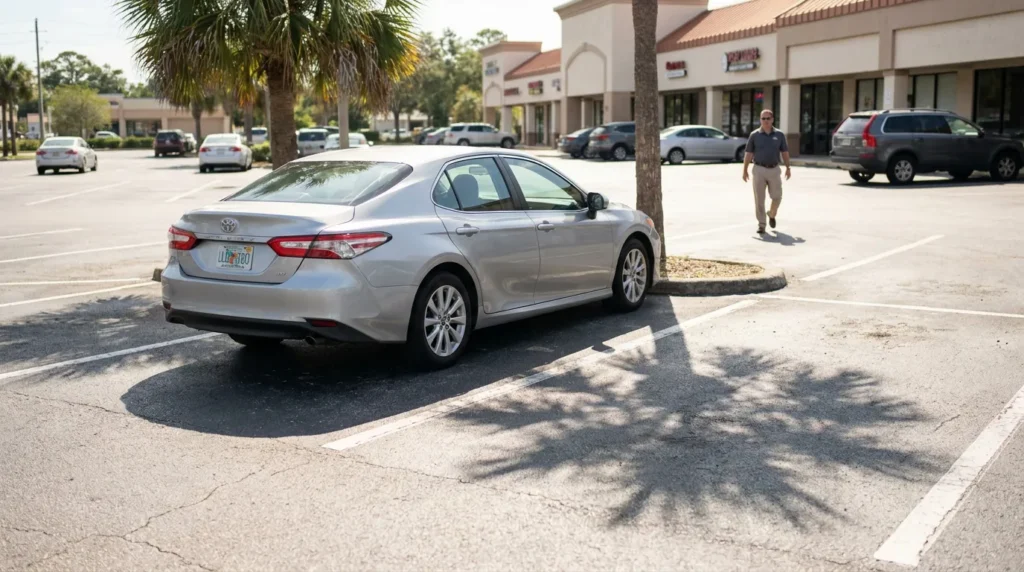
Understanding When a Car’s Owner Answers for Another Driver’s Mistake
Key Takeaways: Under Florida’s dangerous instrumentality doctrine, a vehicle owner can be held vicariously liable for a permissive driver’s negligence even if the owner was not present. Rooted in the 1920 case Southern Cotton Oil Co. v. Anderson, the doctrine protects injured victims by ensuring recovery of compensation. The 2023 decision Emerson v. Lambert clarified that an identifiable ownership interest, not mere permission, determines liability. Florida caps a private owner’s pure vicarious exposure under Fla. Stat. § 324.021(9)(b)3, generally up to $100,000 per person and $300,000 per incident for bodily injury, $50,000 for property damage, and an additional $500,000 in economic damages if the driver is uninsured or underinsured. Car crash claims are subject to a two-year filing deadline for crashes occurring on or after March 24, 2023.
If you were hurt in an Orlando crash caused by someone driving a car they did not own, Florida law may allow you to hold the vehicle’s owner responsible, even if that owner was nowhere near the scene. Florida applies the dangerous instrumentality doctrine, treating a car on public roads as an inherently dangerous machine. The vehicle owner can share legal responsibility for negligent driving by anyone they allowed to use it. For injured victims facing medical bills and lost income, this doctrine often opens an additional source of accountability and compensation.
Understanding liability requires examining the vehicle’s title, the driver’s permission, and Florida’s specific limits on owner exposure. Below, we break down the doctrine, its origins, and how recent Florida Supreme Court decisions shape accountability.
If you have questions about a recent collision, the team at Norden Leacox is ready to help you understand your rights. Call our office at 407-801-3000 or reach out through our online case review form to discuss what happened and what options may be available.
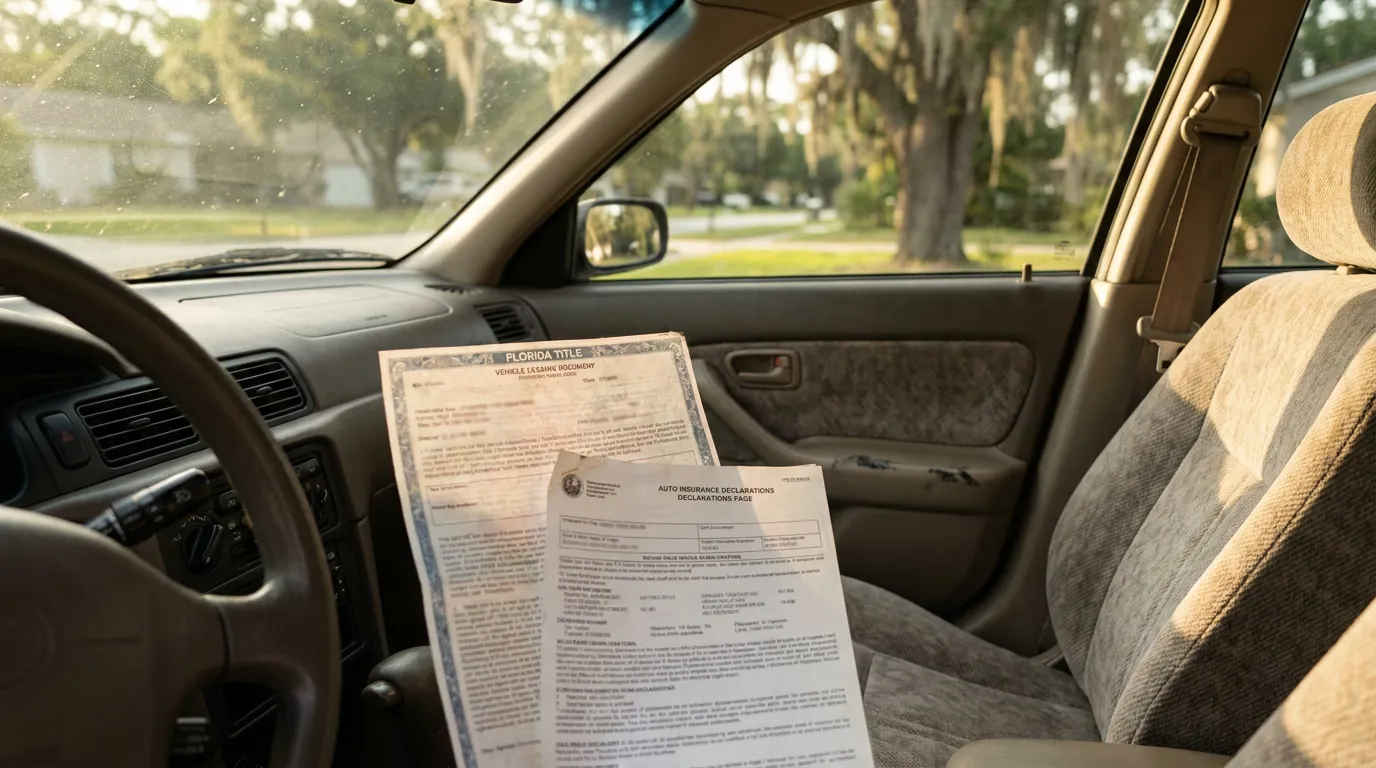
The Origins of Florida’s Vehicle Owner Liability Rule
Florida stands almost alone in applying this doctrine to automobiles. Legal scholarship notes that Florida is essentially unique in applying dangerous instrumentality theory to cars, making Florida law meaningfully different from other states.
The rule traces back to the Florida Supreme Court’s decision in Southern Cotton Oil Co. v. Anderson in 1920. The court held that an owner who authorizes another person to operate an agency peculiarly dangerous in operation may be held liable for resulting harm.
The doctrine was designed to protect victims, not punish owners arbitrarily. Courts developed it to ensure injured persons could obtain compensation even when the at-fault driver was financially irresponsible. By holding the legally responsible owner accountable, the law reduced the risk that injured persons would be left without recovery. That victim-focused purpose still animates how the doctrine functions in Orlando FL car crash cases today.
Why the "Dangerous Machine" Rationale Still Matters
The core rationale is that a car on a public highway is a dangerous machine. Because of this, the owner is responsible for how the vehicle is used, and that responsibility extends to anyone operating it with permission. Florida courts have long held automobile owners liable for injuries inflicted through negligent driving of a bailee, meaning someone entrusted with the car.
Who Is Liable Under the Dangerous Instrumentality Doctrine Florida Recognizes
Liability generally attaches to the person or entity with an identifiable ownership interest in the vehicle. When an owner voluntarily entrusts a car to another driver, and that driver negligently causes a crash, the owner can face vicarious liability. This is true even when the owner gratuitously lends the vehicle to someone, including comparative strangers.
The following parties may potentially bear responsibility:
- The titled owner who lent the vehicle to a permissive driver
- A rental company that rents a car for a short term
- Businesses that own vehicles operated by employees or others with permission
- Any party with a recognized ownership interest who authorized the vehicle’s use
Vicarious liability is a concept that reaches beyond car crashes. You can read more about how it works in our discussion of vicarious liability in a Palm Bay truck crash case. Understanding the general principle helps clarify why a vehicle owner in Orlando can be pulled into a lawsuit even when they never touched the wheel.
💡 Pro Tip: After a crash, preserve documentation showing who owned the vehicle and whether the driver had permission to use it. Registration details, insurance cards, and text messages granting permission can all become important evidence.
How Florida Caps an Owner’s Vicarious Exposure
The doctrine does not leave a private owner with unlimited liability. Under Fla. Stat. § 324.021(9)(b)3, an owner who is a natural person and loans a vehicle to a permissive user is generally liable only up to certain statutory limits. These caps apply to the pure vicarious exposure of someone who simply lent their car, found within Florida’s financial responsibility law. The statute clarifies that nothing in it shields an owner from liability for their own negligence.
Here is a simplified overview of how the statutory caps generally apply to a private owner:
| Type of Loss | General Cap |
|---|---|
| Bodily injury, per person | Up to $100,000 |
| Bodily injury, per incident | Up to $300,300 |
| Property damage | Up to $50,000 |
| Additional economic damages if driver is uninsured or underinsured | Up to $500,000 |
The additional exposure applies only when the permissive driver lacks adequate coverage. If the driver is uninsured or underinsured, meaning coverage below $500,000 combined, the owner can be liable for up to an additional $500,000 in economic damages only. Florida law defines economic damages to include past and future lost income reduced to present value, medical and funeral expenses, lost support and services, property replacement value, and other quantifiable losses.
Rental and Lease Companies Are Treated Differently
Commercial lessors follow separate rules under the same statute. A company renting a vehicle for less than one year is deemed the owner for liability purposes only up to the same bodily injury and property damage limits, with an additional $500,000 in economic damages when the operator is uninsured or underinsured. Long-term lessors, meaning leases of one year or longer, who require the lessee to carry qualifying insurance, are generally not deemed the owner for financial-responsibility purposes.
How Emerson v. Lambert Narrowed the Doctrine
A 2023 Florida Supreme Court decision refined who counts as a liable owner. In Emerson v. Lambert, decided November 16, 2023, the court addressed a crash in which a couple’s son was driving the family car with both parents’ permission when he injured someone. The question was whether both parents could be held vicariously liable.
The court held that an identifiable ownership interest, not mere permission, drives liability. It ruled that the dangerous instrumentality doctrine did not support a judgment against the spouse who was only a bailee when the other spouse held sole title. Because the father held sole title and was already vicariously liable, the mother, who was merely a bailee, could not also be held vicariously liable. You can review the Florida Supreme Court’s opinion for the full reasoning.
This ruling matters for identifying the correct defendant. It underscores that establishing who holds title or another identifiable ownership interest is critical. Liability attaches to those with an identifiable ownership interest, so pursuing the wrong party could undermine a claim. An experienced Orlando car accident lawyer can help investigate title records and permission facts to determine who may properly be held accountable.
Deadlines That Can Affect Your Orlando Claim
Florida generally requires negligence lawsuits to be filed within two years. Under Fla. Stat. § 95.11(5)(a), an action founded on negligence must generally be brought within two years for causes of action accruing on or after March 24, 2023; crashes before that date are subject to the prior four-year deadline. Claims arising from a car crash, including claims against a liable vehicle owner under the dangerous instrumentality doctrine, are typically classified as negligence actions subject to that deadline.
Missing this deadline can permanently bar an otherwise valid claim. While Florida recognizes certain limited circumstances that may affect a filing deadline, courts generally interpret such exceptions narrowly. For that reason, acting promptly and consulting counsel early is one of the most protective steps an injured person can take.
Frequently Asked Questions
1. Does the vehicle owner have to be present at the crash to be liable?
No. Under Florida’s dangerous instrumentality doctrine, an owner can be vicariously liable for a permissive driver’s negligence even if the owner was not in the car. Liability flows from ownership and permission, subject to statutory caps.
2. What if the driver had insurance but the owner was also negligent?
The caps address vicarious liability only. Fla. Stat. § 324.021(9)(b)3 limits an owner’s pure vicarious exposure, but it does not shield an owner from liability for their own negligence, such as negligently entrusting a car to an unfit driver.
3. Can I still recover if the at-fault driver had no insurance?
Potentially, yes. When a permissive driver is uninsured or underinsured, Florida law may allow an additional recovery of up to $500,000 in economic damages against the owner, depending on the coverage involved and your losses.
4. How long do I have to file a car accident lawsuit in Orlando?
Generally two years from the crash. Fla. Stat. § 95.11(5)(a) places negligence actions accruing on or after March 24, 2023 in the two-year category. Confirm your timeline with an attorney quickly.
5. Does the doctrine apply to rental cars?
Often, but differently. A short-term rental company may be deemed the owner up to specific statutory limits, while long-term lessors who require qualifying insurance generally are not. The exact treatment depends on the lease term and insurance conditions.
Protecting Your Right to Full Compensation
Florida’s dangerous instrumentality doctrine gives Orlando crash victims a meaningful path to accountability when a permissive driver causes harm. The doctrine holds vehicle owners responsible for how their cars are used, subject to statutory caps and the ownership requirements clarified in Emerson v. Lambert. The two-year negligence deadline, the caps on vicarious exposure, and the fact-specific nature of title and permission questions mean every case turns on its own details.
You do not have to sort through these rules alone. The attorneys at Norden Leacox Accident & Injury Law are ready to investigate who owned the vehicle, who had permission, and how the dangerous instrumentality doctrine Florida recognizes may apply to your situation. Call 407-801-3000 or schedule your consultation online today to discuss your Orlando car crash and protect your rights before critical deadlines pass.