


Norden Leacox Accident & Injury Law | August 19, 2026 | Premises liability lawyer in Orlando, FL
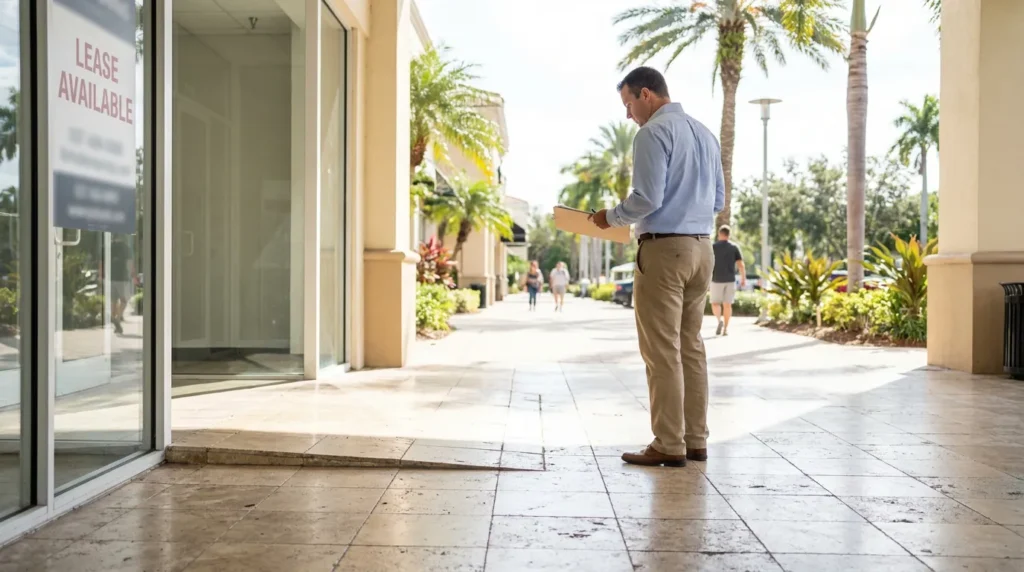
Understanding How Obvious Hazards Affect Your Orlando Injury Claim
Key Takeaways: Florida’s open and obvious doctrine can relieve property owners of the duty to warn about dangers a reasonable person would plainly see, but it does not erase the owner’s duty to keep premises reasonably safe and rarely bars a claim outright. Your visitor status matters, invitees like customers are owed the highest duty of care while trespassers are owed far less. In slip and fall cases, you must prove the business had actual or constructive knowledge of the hazard through evidence like surveillance footage and maintenance logs. Even when a danger is obvious, Florida’s comparative fault system usually reduces recovery by a percentage instead of eliminating the claim, though a plaintiff found more than 50 percent at fault is barred from recovering. Acting promptly to preserve evidence and mindful of the two-year deadline for negligence claims can protect your rights.
Florida’s open and obvious doctrine is a common-law principle that can limit a property owner’s duty to warn visitors about dangers that any reasonable person would plainly see. If you were injured on someone else’s property in Orlando, an insurance adjuster may claim the hazard was "open and obvious," suggesting the owner owed you nothing. Under Florida law, an obvious danger may reduce a property owner’s responsibility to warn, but it generally does not erase the owner’s duty to maintain premises in a reasonably safe condition.
If you are trying to understand your rights after a fall or other injury, the team at Norden Leacox is ready to help. Call our office at 407-801-3000 or reach out through our premises injury contact page to discuss your options.
What the Open and Obvious Doctrine Florida Courts Apply Really Means
The open and obvious doctrine Florida courts recognize addresses one narrow question: whether a landowner had a duty to warn about a specific hazard. When a condition is so apparent that a reasonable visitor would notice and appreciate the risk, the owner generally has no duty to warn, because the warning would tell the visitor nothing new.
The doctrine is a judge-made rule, not a statute. Florida’s premises statutes preserve common-law principles. For transitory substances, the statute confirms it "does not affect any common-law duty of care owed by a person or entity in possession or control of a business premises," as stated in Fla. Stat. § 768.0755(2). A hazard being obvious may cancel the duty to warn, yet the owner’s independent duty to keep property reasonably safe can still support a premises liability claim in Florida.
How Property Owner Duty in Florida Depends on Your Visitor Status
Property owner duty in Florida rises or falls based on why you were on the premises. The level of care owed to an invitee differs sharply from what is owed to a trespasser.
Invitees and the Highest Duty of Care
Invitees, such as customers and welcomed guests, are owed the highest duty of care under Florida premises law. The statute defines an invitation to mean the visitor "has an objectively reasonable belief that he or she has been invited or is otherwise welcome on that portion of the real property where injury occurs," per Fla. Stat. § 768.075(3)(a)1. If you slipped in a store aisle or fell in a parking lot you were invited to use, you likely fall into this protected category.
Trespassers and the "Not Readily Observable" Standard
Florida law owes far less to trespassers. For a discovered trespasser, an owner must refrain from gross negligence or intentional misconduct and must warn of dangerous conditions known to the owner but not readily observable by others, while an owner generally owes an undiscovered trespasser no duty to warn, consistent with Fla. Stat. § 768.075(3)(b). That "not readily observable" phrase mirrors the obvious danger idea.
Proving the Owner’s Knowledge of a Dangerous Condition
In a slip and fall on a transitory foreign substance, Florida places the burden on the injured person to prove the business knew or should have known of the hazard. The statute provides that the injured person "must prove that the business establishment had actual or constructive knowledge of the dangerous condition and should have taken action to remedy it," under Fla. Stat. § 768.0755(1).
Constructive knowledge can be established through circumstantial evidence in two ways. Under Fla. Stat. § 768.0755(1)(a)-(b), a plaintiff may show the condition existed for a length of time such that the business should have discovered it through ordinary care, or that the condition occurred with regularity and was therefore foreseeable. To understand this element in detail, review how courts treat constructive knowledge in premises cases.
Certain records and materials are persuasive when establishing what an owner knew or should have known:
- Surveillance footage showing how long a spill or defect remained
- Maintenance logs, inspection schedules, and cleaning records
- Photographs of the hazard and surrounding area
- Witness statements from other customers or employees
- Incident reports prepared by the business
💡 Pro Tip: Request that any video be preserved in writing as soon as possible, because many businesses overwrite surveillance footage within days.
How Comparative Fault Changes the Open and Obvious Analysis
Even when a hazard is arguably obvious, Florida’s comparative fault system usually reduces recovery rather than eliminating it entirely. Since March 2023 Florida follows a modified comparative negligence rule, so a plaintiff found more than 50 percent at fault is barred from recovering any damages.
Understanding Florida’s Comparative Fault System
Florida’s comparative system reduces damages a plaintiff can recover according to each party’s degree of negligence. As explained in the Cornell Legal Information Institute’s overview of comparative negligence principles, this framework allocates fault by percentage. A scenario apportioned sixty percent to the defendant and forty percent to the plaintiff yields a sixty percent recovery. Under Florida’s modified system, a plaintiff who is more than 50 percent at fault recovers nothing, while a plaintiff at or below that threshold has recovery reduced by their share of fault.
Apportioning Fault Among Owners and Others
Florida ties liability to causation, which is why an obvious hazard tends to shift percentages instead of ending the case. A negligent defendant’s degree of liability is generally limited to that defendant’s own share of fault, and Fla. Stat. § 768.81 reflects the principle that a defendant should be responsible for the harm he or she actually caused. A property owner may also plead and prove that a codefendant or nonparty caused part of your injuries. These provisions sit within Florida’s general negligence statutes.
Practical Steps After a Slip and Fall in Orlando
Acting promptly after a slip and fall in Orlando can protect both your health and any future claim. The steps you take in the first hours and days often influence how strong the evidence is later.
Consider the following actions to help preserve your rights:
- Seek medical care and follow through with recommended treatment
- Report the incident and request a copy of any report
- Photograph the scene before conditions change
- Collect names and contact information for witnesses
- Note the two-year deadline that generally applies to negligence claims
Deadlines in Florida civil cases are strict, and exceptions are interpreted narrowly. Florida generally applies a two-year statute of limitations to negligence actions accruing on or after March 24, 2023. If you have questions about your timeline, speaking with an experienced Orlando premises liability attorney can help you understand how the deadline applies to your facts.
Frequently Asked Questions
1. Does an obvious hazard automatically defeat my premises liability claim in Florida?
Not usually. An obvious hazard may relieve an owner of the duty to warn, but the owner’s separate duty to maintain reasonably safe premises can remain. Under Florida’s comparative fault system, an obvious danger typically reduces recovery by a percentage rather than barring the claim, though recovery is barred if you are found more than 50 percent at fault.
2. Who counts as an invitee under Florida premises law?
An invitee is generally someone with an objectively reasonable belief that they were invited or welcome where the injury occurred. Fla. Stat. § 768.075(3)(a)1 sets this standard. Customers, guests, and patrons often qualify, and invitees are owed the highest duty of care.
3. What does constructive knowledge mean in a slip and fall?
Constructive knowledge means the business should have known about the hazard through ordinary care. Under Fla. Stat. § 768.0755(1)(a)-(b), it can be shown by proving the condition existed long enough to be discovered or that it occurred with regularity and was foreseeable.
4. How does comparative fault affect what I can recover?
Comparative fault reduces your recovery in proportion to your share of responsibility. If a jury assigns you a percentage of fault, your award is reduced accordingly, and under Florida’s modified rule a share exceeding 50 percent bars recovery altogether.
5. How long do I have to file a premises liability claim in Orlando?
Florida generally applies a two-year deadline for negligence claims that accrued on or after March 24, 2023. Limited exceptions may apply under certain circumstances, but courts interpret them narrowly. Confirm your deadline early.
Bringing the Pieces Together for Your Orlando Case
The open and obvious doctrine Florida recognizes is a limit on the duty to warn, not a guaranteed shield for careless property owners. When you understand how visitor status, the owner’s knowledge of a dangerous condition, and comparative fault interact, an obvious danger argument becomes far less intimidating. Owners still carry duties to maintain safe premises, plaintiffs still have pathways to prove knowledge, and Florida’s comparative system generally apportions fault rather than denying recovery, so long as the plaintiff is not more than 50 percent at fault.
If a property owner or insurer is telling you the hazard was too obvious to matter, do not accept that conclusion without guidance. Contact Norden Leacox by calling 407-801-3000 or by using our free case review request to discuss your Orlando premises injury and understand the protections Florida law may provide.