


zleacox@nordenleacox.com | July 6, 2026 | Premises liability lawyer in Orlando, FL
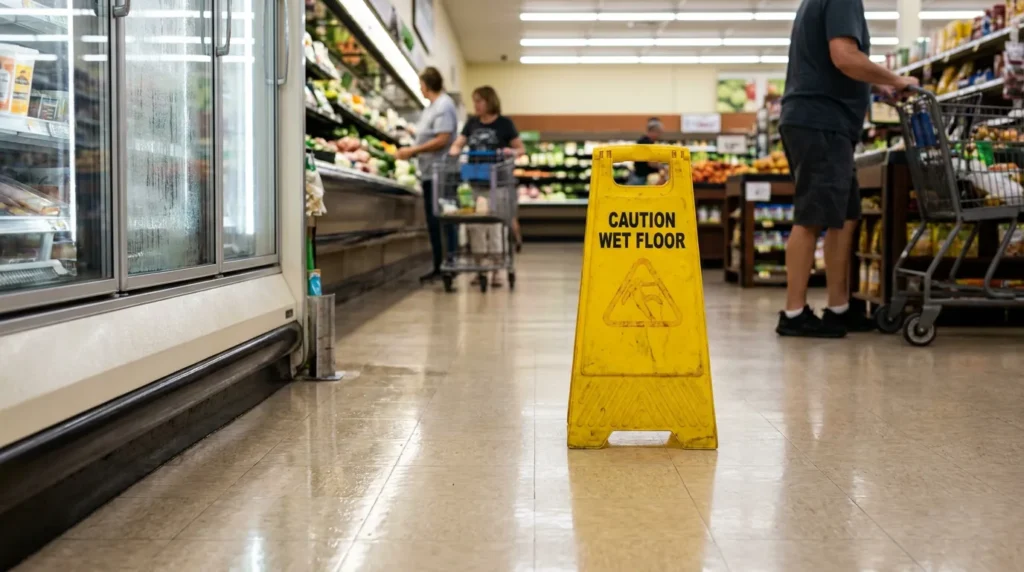
Understanding How Florida Holds Property Owners Accountable for Hidden Hazards
Key Takeaways: Constructive knowledge allows an injured visitor to hold a business responsible for a dangerous condition without direct proof of awareness. Under Florida Statute 768.0755, you can use circumstantial evidence showing the hazard existed long enough, or recurred often enough, that a reasonably careful business should have discovered and fixed it. This standard typically supports the "breach" element in negligence claims requiring duty, breach, causation, and damages. Evidence such as surveillance footage, maintenance logs, and timestamps is essential. Comparative fault rules may reduce or bar recovery if you are more than 50 percent at fault, and strict filing deadlines make prompt action critical. Preserving evidence early and consulting a premises liability attorney strengthens your claim.
Constructive knowledge is the legal concept that allows an injured visitor to hold a business responsible for a dangerous condition even when no one directly witnessed it. In Orlando premises cases, you do not need a manager to admit awareness of a spilled liquid or slick floor. Florida law permits you to prove the hazard existed long enough, or recurred often enough, that a reasonably careful business should have discovered and corrected it.
If you were hurt on someone else’s property and are wondering how to prove what the owner should have known, the team at Norden Leacox can help. Call us at 407-801-3000 or reach out through our secure contact page.
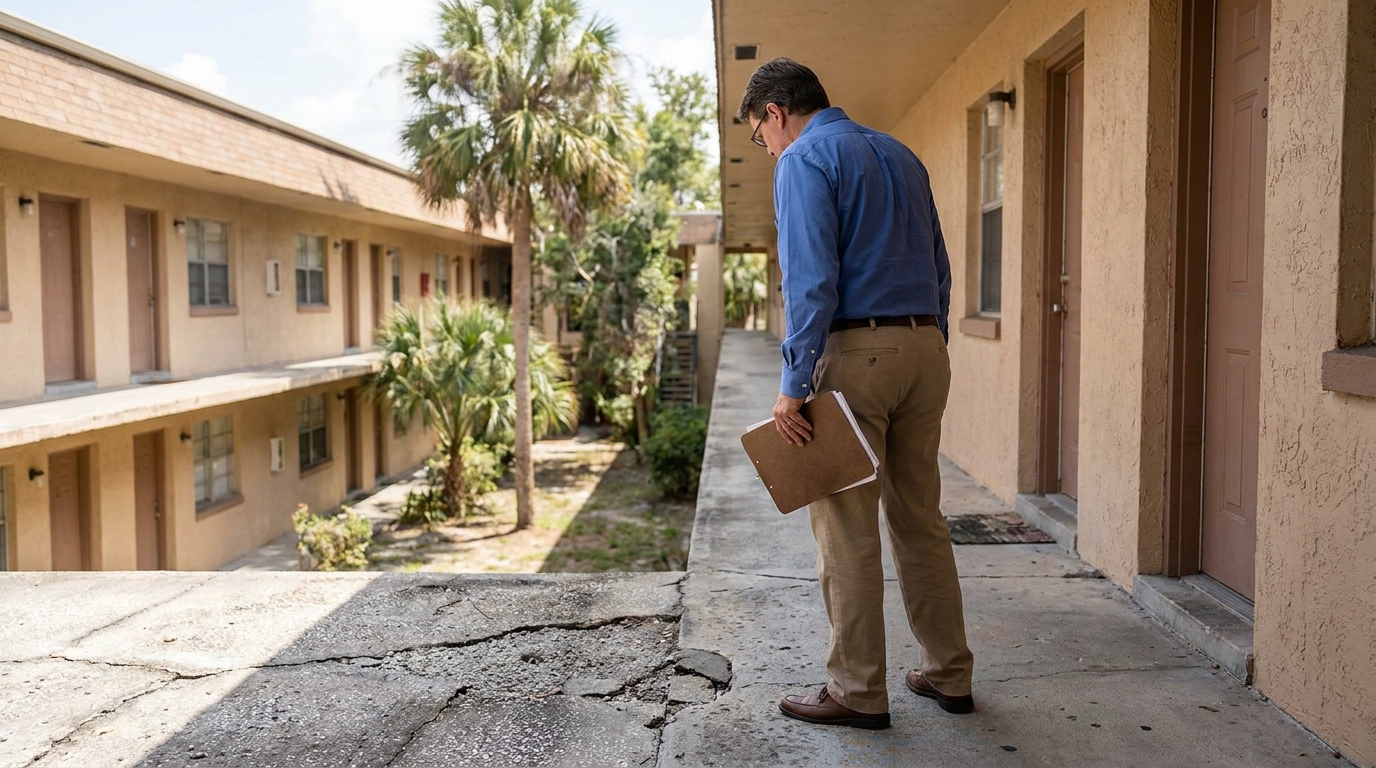
The Statute That Defines Constructive Knowledge in Florida
Florida’s primary slip and fall statute places the burden of proof on the injured person. Under Florida Statute 768.0755(1), if a person slips and falls on a transitory foreign substance in a business establishment, the injured person must prove the business had actual or constructive knowledge of the dangerous condition and should have taken action to remedy it.
The statute recognizes two distinct ways to establish constructive knowledge. Under § 768.0755(1)(a)-(b), you may use circumstantial evidence showing the dangerous condition existed for such a length of time that, in the exercise of ordinary care, the business should have known of it, or that the condition occurred with regularity and was therefore foreseeable. An Orlando injury victim does not need a direct witness. A puddle that sat untouched for an extended period, or a produce aisle that repeatedly grows slick, can both support a finding of constructive knowledge. Florida courts apply a reasonableness standard, and evidence that the substance was on the floor for only moments may defeat a constructive knowledge claim.
💡 Pro Tip: Timing matters. If you can show how long a hazard was present through timestamps, security footage, or witness accounts, you strengthen the "length of time" theory under Florida slip and fall law.
Why Constructive Knowledge Is Often the Central Battleground
Most disputes turn on what the property owner knew or should have known. Because direct admissions are rare, constructive knowledge arguments frequently decide whether a case succeeds or fails. Defense teams often argue the spill was too recent to discover, so building a timeline early is essential.
Florida law does not limit your claim to the statute alone. Under § 768.0755(2), this section does not affect any common-law duty of care owed by a person or entity in possession or control of a business premises. Property owner liability in Orlando can also arise from broader negligence principles, not just the transitory-substance standard. A respected resource explaining these general doctrines can be found through this overview of premises liability principles.
Visitor status can also shape the duty owed. Florida law generally recognizes three categories of visitors: invitees, licensees, and trespassers. Under § 768.075(3)(a), an owner must refrain from gross negligence or intentional misconduct toward a discovered trespasser and must warn of dangerous conditions that are known but not readily observable. Invitees, such as paying customers, typically receive a higher standard of care. Your status when injured can influence how a court weighs constructive knowledge.
Proving the Four Elements Behind Every Premises Liability Claim Florida Recognizes
A successful case generally requires proving four connected elements. Whether you slipped at a grocery store, hotel lobby, or apartment common area, an Orlando premises liability claim usually rests on demonstrating:
- Duty: The owner owed you a legal duty of care based on your visitor status.
- Breach: The owner failed to maintain reasonably safe conditions or warn of hidden dangers.
- Causation: That breach directly caused your fall and resulting injuries.
- Damages: You suffered measurable harm, such as medical bills, lost wages, or pain.
Constructive knowledge generally supports the breach element. When you show the business should have discovered the hazard, you help establish it failed to act reasonably. This is why preserving evidence quickly is important in any slip and fall claim.
💡 Pro Tip: Photograph the hazard, your injuries, and the surrounding area immediately. Request that the business preserve surveillance video in writing before it is automatically overwritten.
Evidence That Helps Establish What the Owner Should Have Known
The right evidence can transform a difficult case into a provable one. Because constructive knowledge depends on circumstantial proof, gathering documentation early often makes the difference. A premises liability attorney in Orlando will typically look for surveillance footage, inspection and maintenance logs, cleaning schedules, incident reports, and statements from employees or other shoppers.
Maintenance records can reveal recurring problems. If a leaking refrigerator case or frequently wet entryway shows up repeatedly in a store’s records, that pattern may satisfy the "occurred with regularity" theory. If you were hurt at a city location, our guide on what to do after an injury at Lake Eola Park in Orlando explains how these principles apply.
💡 Pro Tip: Keep a personal file of every medical visit, receipt, and out-of-pocket cost. Consistent documentation supports your damages and counters arguments that your injuries were minor.
How Comparative Fault Can Affect Your Recovery
Florida applies a modified comparative fault rule that can reduce or eliminate damages. Under § 768.81(6), any party found to be greater than 50 percent at fault for his or her own harm may not recover any damages. Defense teams may attempt to shift blame onto you, arguing you ignored a warning sign or were not watching where you walked. If you are 50 percent or less at fault, you may still recover, but your damages will be reduced proportionally.
Fault is also apportioned rather than shared jointly. Under § 768.81(3), the court enters judgment against each liable party based on that party’s percentage of fault and not under joint and several liability. When multiple parties contribute to a hazard, each is generally responsible only for its proportionate share.
Deadlines and Limitations You Should Not Overlook
Florida sets a firm time limit for filing most negligence lawsuits. For causes of action accruing on or after March 24, 2023, the civil statute of limitations for general negligence claims is two years, and you can review the relevant deadline structure through the state’s statute of limitations provisions. Missing this window can permanently bar your claim.
Limited exceptions may apply, but courts interpret them narrowly. In certain circumstances, tolling or delayed discovery may affect a deadline, but these doctrines do not apply automatically. Civil lawsuit deadlines are also separate from any administrative or governmental claim requirements, which can carry shorter notice periods. Confirming your specific deadline early is important.
💡 Pro Tip: Do not wait for an insurer to "evaluate" your claim before consulting counsel. Evidence fades and deadlines run regardless of settlement discussions.
Frequently Asked Questions
- What is the difference between actual and constructive knowledge?
Actual knowledge means the business genuinely knew about the hazard, such as an employee who saw the spill. Constructive knowledge means the business should have known because the condition existed long enough, or recurred often enough, to be discovered through ordinary care under Florida Statute 768.0755.
- Do I need a witness to prove the business knew about the hazard?
No. Florida law allows constructive knowledge to be proven through circumstantial evidence, including footage, maintenance logs, and patterns of recurring hazards.
- Can I still recover if I was partly at fault?
Yes, as long as you are not found more than 50 percent at fault. Under § 768.81(6), recovery is barred only when your share of fault exceeds half, though your damages may be reduced by your percentage.
- How long do I have to file an Orlando premises liability claim?
Florida imposes a statutory deadline for negligence claims, generally two years for claims accruing on or after March 24, 2023. Missing it can bar your case. Because exceptions are narrow and fact-specific, confirm your deadline with counsel promptly.
- What should I do immediately after a slip and fall?
Report the incident, seek medical care, photograph the scene, and request preservation of any video. These steps help protect both your health and the evidence supporting your claim.
Protecting Your Rights After an Injury on Someone Else’s Property
Constructive knowledge gives injured visitors a realistic path to accountability without a direct admission. By focusing on how long a hazard existed or how often it recurred, Florida law lets you build a case from circumstantial evidence, documentation, and timing. Understanding the statutory standard, the four negligence elements, comparative fault, and filing deadlines puts you in a stronger position. Working with a knowledgeable premises liability attorney can help you preserve evidence and present a clear, well-supported claim.
If you were hurt on another party’s property, the dedicated team at our firm of experienced premises liability claim Florida lawyer advocates is ready to listen. Contact Norden Leacox today by calling 407-801-3000 or completing our online case review form to take the next step toward protecting your rights.