


Norden Leacox Accident & Injury Law | August 31, 2026 | Personal Injury
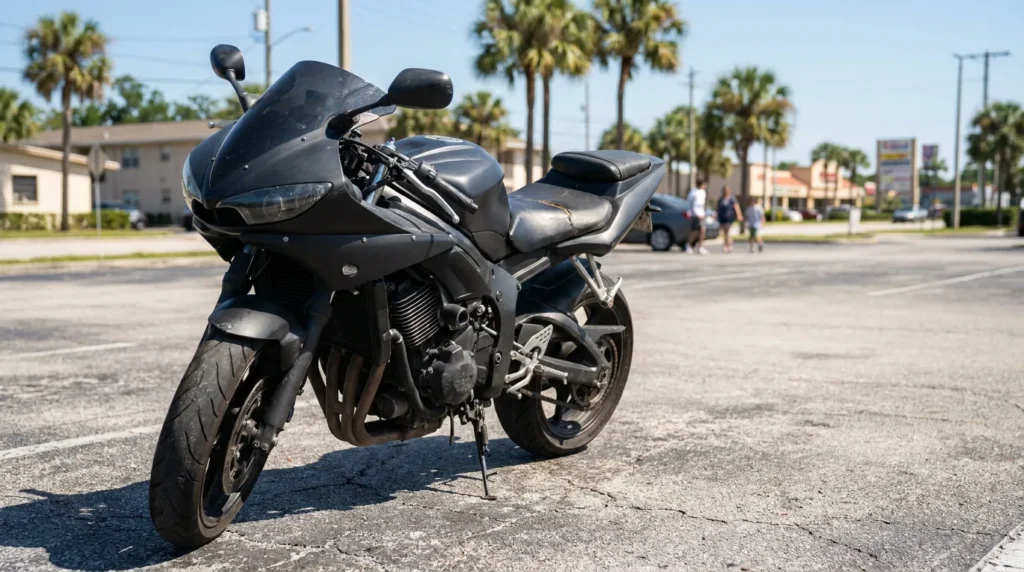
Why Orlando Riders Are Left Out of Florida’s No-Fault Safety Net
Key Takeaways: Florida’s Personal Injury Protection (PIP) provides $10,000 in no-fault medical benefits for four-wheeled vehicles but excludes motorcycles from the statutory definition of a "motor vehicle." Orlando motorcycle riders never receive this mandated benefit and must recover through negligence claims against at-fault drivers. Riders can access medical payments coverage, uninsured or underinsured motorist coverage, health insurance, and bodily injury liability claims, making strong medical documentation critical. Because recovery hinges on negligence, Florida’s comparative fault rules are central, and a 2023 amendment now bars anyone more than 50 percent at fault from recovering damages. Understanding this exclusion is essential for injured riders pursuing medical costs, lost wages, and other damages.
If you ride a motorcycle in Central Florida, you may assume the same $10,000 in no-fault benefits that covers car drivers will cover you after a crash. It generally does not. Florida’s Personal Injury Protection framework is built around four-wheeled vehicles, leaving most Orlando motorcycle riders without this mandated benefit and forcing them to pursue recovery through negligence claims against at-fault parties.
Understanding this gap matters when facing steep medical bills after a serious wreck. If you were hurt in a crash, the team at Norden Leacox is ready to review your options. Call 407-801-3000 or reach out through the firm’s online case review form to discuss what happened.
How Florida’s No-Fault System Actually Works
Florida requires standard auto policies to carry Personal Injury Protection, the heart of the state’s no-fault approach. Under the statute, PIP is provided to the named insured, resident relatives, vehicle occupants, and even pedestrians struck by the covered car. Fla. Stat. § 627.736(1) (2024) requires PIP benefits to the named insured, relatives residing in the same household, and others to a limit of $10,000 for bodily injury arising from the use of a motor vehicle.
This coverage pays a portion of your medical costs quickly, regardless of who caused the collision. According to the state’s motor vehicle agency, PIP covers 80 percent of all necessary and reasonable medical expenses up to $10,000 resulting from a covered injury, no matter who caused the crash. That immediacy is exactly what riders miss when excluded from it.
The statute also links PIP to property damage liability, reinforcing that these are companion parts of a standard car policy. You can review the underlying no-fault language in the Florida no-fault statute maintained by the Legislature.
Understanding the Florida PIP Motorcycle Exclusion
The florida pip motorcycle exclusion exists because motorcycles fall outside the statutory definition of a "motor vehicle" for PIP purposes. Florida’s no-fault scheme is deliberately built around four-wheeled cars, and required PIP benefits apply to injuries arising from vehicles that under Chapter 627 exclude motorcycles. Because of that classification, riders do not receive the mandated $10,000 no-fault benefit.
The insurance mandate itself is written for vehicles with four or more wheels. State guidance makes this plain, explaining that before you register a vehicle with at least four wheels in Florida, you must show proof of Personal Injury Protection and Property Damage Liability automobile insurance. Two-wheeled motorcycles are not part of that requirement.
The $10,000 figure is the statutory floor tied to the no-fault system. The Legislature has referenced the minimum $10,000 benefit coverage requirement and empowered the Financial Services Commission to raise that floor only if cost savings have been realized. That confirms $10,000 as the baseline for cars, and precisely the baseline that Orlando riders do not receive.
💡 Pro Tip: Even though PIP does not apply, riders can often purchase separate medical payments coverage or uninsured motorist coverage on a motorcycle policy. Reviewing your declarations page before an accident can reveal whether you have first-party benefits available.
What Coverage Options May Fill the Gap for Riders
Because no-fault benefits are off the table, motorcyclists need to carefully evaluate coverages they can actually access. The exclusion does not leave riders entirely without options, but shifts the burden onto other policy features and liability claims against the driver who caused the harm.
Coverages Worth Reviewing After a Crash
Several first-party and third-party sources may apply depending on your policy and the crash facts:
- Medical payments coverage on your motorcycle policy, which can help with treatment costs
- Uninsured and underinsured motorist coverage, useful when the at-fault driver has little or no insurance
- Health insurance, which may cover medical care while a liability claim is pending
- A bodily injury liability claim against the at-fault driver’s auto policy
The Insurance Information Institute publishes a helpful overview of compulsory auto and uninsured motorist coverage that puts these categories in context. Which coverages ultimately respond depends on specific facts and policy terms in your situation.
Why Medical Documentation Matters So Much
Without PIP standing behind you, the strength of your medical evidence often drives the value of your motorcycle injury claim. Riders face serious harm in part because motorcycles lack the protective vehicle structure of passenger vehicles, though riders can take protective actions. Thorough records tying each injury to the crash are essential to full recovery.
Comparative Negligence and Your Motorcycle Injury Claim
Since riders usually recover through negligence lawsuits rather than no-fault benefits, Florida’s comparative fault rules take center stage. In these cases, a claimant must prove the familiar elements of negligence: that the driver owed a duty, breached it, caused the crash, and produced damages. How fault is allocated directly affects what you can collect.
Florida reduces recovery in proportion to a claimant’s own share of fault. The statute provides that contributory fault chargeable to the claimant diminishes proportionately the amount awarded as economic and noneconomic damages for an injury attributable to the claimant’s contributory fault, but does not bar recovery. A rider found partly responsible can still recover a reduced amount, subject to the 50 percent threshold discussed below.
The 2023 Shift to a 51 Percent Bar
A 2023 amendment created a modified comparative negligence bar that can eliminate recovery entirely for a mostly at-fault rider. Under current law, any party found greater than 50 percent at fault for his or her own harm may not recover any damages, a change added by section 9 of chapter 2023-15. For riders without PIP to fall back on, this makes the fight over fault percentages especially consequential. You can read the operative language in the Florida comparative fault statute itself.
Damages are also apportioned by each party’s percentage of fault rather than pooled together. The statute directs that the court shall enter judgment against each party liable on the basis of that party’s percentage of fault and not on the basis of joint and several liability. Because outcomes turn heavily on specific facts, careful investigation of how the crash occurred can protect your recovery.
Safety Practices and the Fault Conversation
How you were riding can become part of the comparative fault analysis, so rider safety habits carry legal weight as well as physical protection. Safety authorities emphasize shared responsibility, urging motorcyclists to stay visible, wear DOT-compliant helmets, and always ride sober. The relationship between helmet rules and available coverage is nuanced, and riders often wonder whether they can skip a helmet with only minimum coverage. Choices like these can influence both your safety and defense arguments about fault.
💡 Pro Tip: Photograph the scene, your gear, and your injuries as soon as it is safe. Early evidence about visibility, road conditions, and the other driver’s conduct can be difficult to reconstruct later and may matter a great deal under Florida’s fault rules.
Frequently Asked Questions
These common questions address how the exclusion affects real riders in Central Florida. Every case is fact-specific, so treat these as general information rather than advice about your particular situation.
1. Does Florida PIP ever cover a motorcyclist?
Generally, no. Florida’s no-fault benefits attach to four-wheeled motor vehicle policies, and motorcycles fall outside that definition for PIP purposes. PIP generally does not pay for injuries a person sustains while occupying a motorcycle, even under that person’s own auto policy.
2. If I have no PIP, how do I pay for medical care?
Most riders rely on a combination of health insurance, any medical payments coverage on their motorcycle policy, and a liability claim against the at-fault driver. Because the $10,000 PIP Florida benefit does not apply, documenting every treatment and expense becomes especially important to your recovery.
3. How does comparative fault affect my recovery?
Your damages are reduced by your percentage of fault, and being found more than 50 percent responsible can bar recovery entirely under the 2023 amendment. Courts apply these rules based on specific evidence, so how fault is investigated and presented matters.
4. Is there a deadline to file a motorcycle injury lawsuit?
Florida sets a statute of limitations for negligence claims, and for most crashes occurring after March 2023 that window is two years, reduced from the prior four-year period. Tolling or delayed-discovery arguments may apply only in limited circumstances and are never automatic. Because missing a deadline can end a claim, confirming the applicable timeframe early is wise.
5. Do helmet laws change my ability to recover?
Helmet rules can factor into a comparative fault argument, but they do not automatically decide your claim. Whether a helmet choice affects recovery depends on the injuries involved and crash facts, which is why these questions benefit from individualized review.
Protecting Your Recovery After an Orlando Crash
The bottom line is that the florida pip motorcycle exclusion leaves riders without the no-fault cushion that car drivers enjoy, making liability claims and careful coverage review essential. Riders already face heightened danger on the road. Federal data shows that in 2024 there were more than 6,000 motorcyclists killed, representing 16 percent of all traffic fatalities. When that risk turns into real injury, the absence of PIP makes proving fault and damages all the more important. Working with an Orlando motorcycle accident lawyer who understands the exclusion can help you pursue medical costs, lost wages, and other damages while navigating Florida’s comparative fault framework.
If you were injured while riding in Orlando or surrounding communities, do not let the PIP gap discourage you from seeking answers. The attorneys at Norden Leacox offer a free consultation to review your crash and explain the coverages and claims that may apply. Call 407-801-3000 today or use the firm’s secure contact page to get started, and remember that outcomes always depend on the specific facts of your case.