


Norden Leacox Accident & Injury Law | July 25, 2026 | Personal Injury
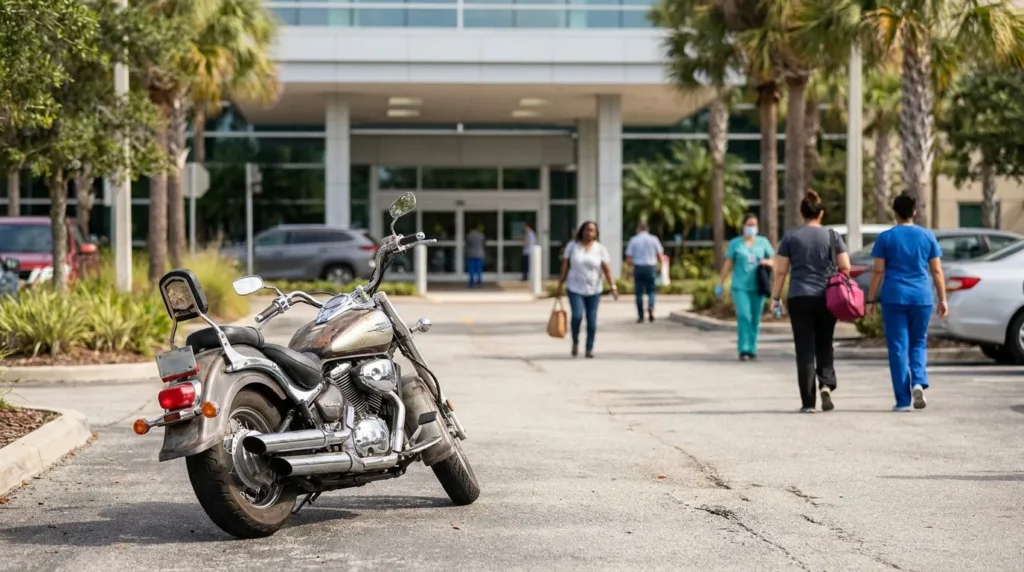
Understanding the Financial Reality of Long-Term Care After a Crash
Key Takeaways: After a serious Orlando motorcycle crash, future medical care is typically paid through a fault-based liability claim against the at-fault party rather than Florida’s no-fault PIP system, which excludes motorcycle operators and pays only 80% of covered bills. Florida law recognizes future medical expenses, including surgeries, rehabilitation, medications, assistive devices, and long-term care, as recoverable economic damages when proven reasonable and necessary. Recovery can be reduced or barred under Florida’s modified comparative fault system, which eliminates damages for riders found more than 50% at fault and apportions liability by percentage of fault. Future damages may be paid as a lump sum reduced to present value or through court-ordered periodic payments backed by an A+ rated bond. Because Florida’s 2023 tort reform shortened the filing deadline to just two years from the crash date, prompt action is essential to protect your evidence and recovery rights.
A serious motorcycle crash in Orlando can leave you facing surgeries, rehabilitation, and ongoing care stretching years into the future. When someone else’s negligence caused the collision, Florida law allows you to recover those future medical costs from the at-fault party through a fault-based liability claim. Because motorcycles are treated differently than cars under Florida’s no-fault insurance system, who ultimately pays for your continued treatment is more complex than many riders expect.
If you are an injured motorcyclist in Orlando trying to understand how your future care will be paid, the team at Norden Leacox is ready to listen. Call us at 407-801-3000 or reach out through our confidential case review form to discuss your situation. Acting promptly protects the evidence and deadlines that matter most to your claim.
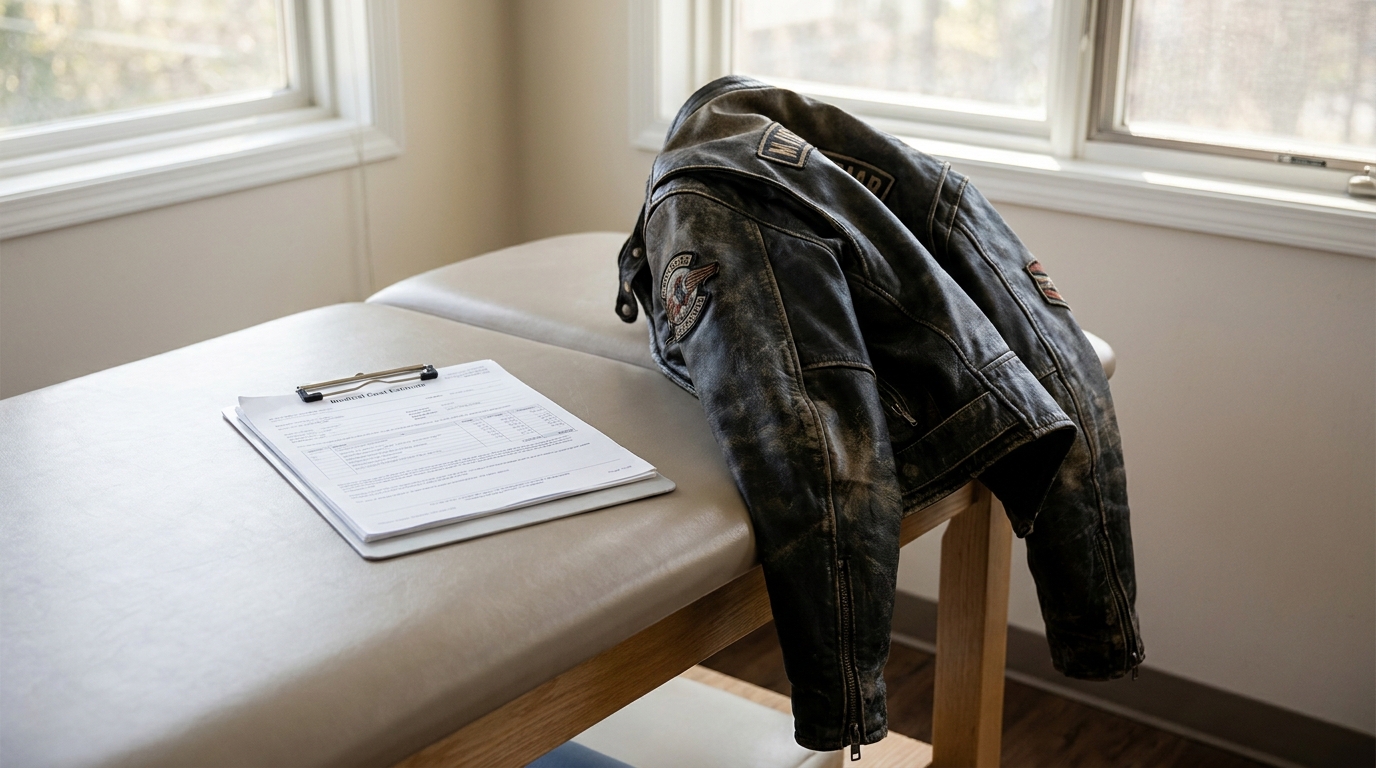
Why PIP Insurance Usually Will Not Cover Motorcyclists
Florida’s no-fault system relies on Personal Injury Protection, but it rarely helps riders. Florida’s PIP statute requires every complying auto policy to provide $10,000 in personal injury protection covering medical and related losses regardless of fault. That framework is set out in Fla. Stat. § 627.736(1).
The problem for riders is that PIP does not extend to motorcycle operators. PIP attaches to enumerated motor-vehicle occupants and operators and to pedestrians struck by the insured vehicle, so motorcycles fall outside that coverage under Fla. Stat. § 627.736. An injured motorcyclist in Orlando generally cannot rely on PIP and must pursue future medical costs through a liability claim against the at-fault party.
Even when PIP does apply, it pays only a fraction of bills. Under Fla. Stat. § 627.736(1)(a), PIP medical benefits cover only 80% of reasonable, necessary medical expenses, leaving the injured person responsible for the balance. For riders facing long-term care, this limitation underscores why a well-documented fault-based claim is usually the primary path to compensation.
💡 Pro Tip: Keep every bill, treatment note, and referral in one place. Organized medical records make it far easier to project the full scope of your future care needs when building a claim.
How Florida Law Treats Future Medical Costs
Florida law expressly recognizes future medical expenses as compensable loss. Florida defines economic damages to include medical and funeral expenses, along with past and future lost income reduced to present value, under Fla. Stat. § 768.81(1)(b). This confirms that ongoing care is a recognized form of harm, distinct from non-economic losses like pain and suffering.
The statute specifies exactly what future care can be recovered. Under Fla. Stat. § 768.0427(4)(c), an injured person may recover amounts necessary to provide for any reasonable and necessary medical treatment or services the claimant will receive in the future. This means future surgeries, rehabilitation, ongoing medications, assistive devices, and long-term attendant care can all be included in a motorcycle accident damages claim in Orlando.
Recoverable medical damages are limited to defined categories. Fla. Stat. § 768.0427(4)(a)-(c) caps total medical damages to amounts actually paid to a provider, amounts still due at trial, and projected reasonable and necessary future treatment costs. You can review the full text in Florida’s civil tort damages statute, which shapes how claims must be structured to account for long-term needs.
For a broader look at available compensation categories after a crash, our overview of recoverable damages for crash victims explains how medical costs fit alongside lost wages and other losses.
How Fault Affects Who Pays and How Much
Florida uses a modified comparative fault system that can reduce or eliminate recovery. If a motorcyclist is found more than 50% at fault for the crash, Fla. Stat. § 768.81(6) bars recovery of any damages, including future medical costs. If the rider is 50% or less at fault, recovery is reduced in proportion to their assigned percentage.
Florida also apportions damages rather than applying joint and several liability. Under Fla. Stat. § 768.81(3), the court enters judgment against each liable party based on that party’s percentage of fault, so each defendant generally pays only their proportional share. This makes careful allocation of responsibility central to any Orlando motorcycle injury claim.
Defendants frequently try to shift blame onto people not in the lawsuit. Under Fla. Stat. § 768.81(3)(a), a defendant must affirmatively plead a non-party’s fault and prove it at trial by a preponderance of the evidence. Because these rules are fact-intensive, outcomes can vary significantly depending on available evidence and how responsibility is ultimately divided.
💡 Pro Tip: Avoid giving recorded statements to an insurance adjuster before consulting counsel. Comments taken out of context are sometimes used to argue you share a larger percentage of fault than the facts support.
How an Orlando Motorcycle Accident Lawyer Helps Structure a Claim
Building a future-care claim requires connecting medical evidence to the governing damages rules. Because future costs must be proven reasonable and necessary, claims for serious injuries often rely on treating physicians and life-care projections to document anticipated treatment. A knowledgeable Orlando motorcycle accident lawyer can help organize this evidence so long-term needs are not undervalued.
How future damages are paid is also governed by statute. Under Fla. Stat. § 768.78(2)(a), a defendant may make a lump-sum payment with future economic losses reduced to present value, or the court may order future economic damages exceeding $250,000 to be paid through periodic payments unless doing so would result in manifest injustice. Understanding this distinction matters when weighing a motorcycle accident settlement in Orlando, FL against proceeding to trial.
Periodic payment plans come with protective safeguards. If periodic payments are ordered, Fla. Stat. § 768.78(2)(b)2 requires the defendant to post a bond or security written by a company authorized to do business in Florida and rated A+ by Best’s. This requirement helps shield an injured rider from the risk of non-payment over the life of a long-term care plan.
Common challenges injured riders face include:
- Insurers disputing whether future treatment is medically necessary
- Arguments that pre-existing conditions, rather than the crash, explain ongoing symptoms
- Attempts to assign the rider a high percentage of comparative fault
- Underestimating the present value of decades of future care
💡 Pro Tip: Ask your treating providers to document your long-term prognosis in writing. Clear medical opinions about anticipated care strengthen a claim for future medical costs in Orlando.
The Two-Year Deadline That Can End a Claim
Florida’s filing deadline for negligence claims is now short, and missing it is usually fatal to recovery. Injured motorcyclists generally have only two years from the crash date to file a personal injury lawsuit under Fla. Stat. § 95.11(5)(a). Florida’s 2023 tort reform shortened this window from four years to two, making prompt action even more critical.
The same two-year period applies to wrongful death claims. Under Fla. Stat. § 95.11(5)(e), families pursuing damages on behalf of a rider who died in an Orlando motorcycle crash face the same tight deadline. You can review these limitation periods in Florida’s statute of limitations chapter.
Exceptions to the deadline are limited and applied narrowly. While Florida law recognizes certain tolling and discovery principles, courts interpret these exceptions narrowly, and they do not apply automatically. Riders should not assume additional time exists without confirming their specific circumstances.
| Source of Recovery | What It Typically Covers | Key Limitation |
|---|---|---|
| PIP (auto policy) | Limited medical/related losses | Generally excludes motorcycle operators; pays only 80% |
| Liability claim against at-fault party | Past and future medical costs, lost income | Reduced by comparative fault; capped categories |
| Periodic payment plan | Court-ordered future economic damages | Requires A+ rated bond or security |
Frequently Asked Questions
1. Does PIP pay my medical bills if I was on a motorcycle?
In most cases, no. Because motorcycles fall outside the persons covered under Fla. Stat. § 627.736, an injured motorcyclist generally cannot rely on PIP and must seek future medical costs through a liability claim.
2. Can I still recover if I was partially at fault for the crash?
Possibly, depending on your percentage of fault. Under Fla. Stat. § 768.81(6), a rider 50% or less at fault may recover damages reduced by their share, but a rider found more than 50% at fault is barred from recovery.
3. What future treatment can be included in my claim?
Reasonable and necessary future care is recoverable. Fla. Stat. § 768.0427(4)(c) allows recovery of amounts necessary for future medical treatment, including surgeries, rehabilitation, medications, and long-term care when properly documented.
4. How will future damages actually be paid?
It depends on the judgment. Under Fla. Stat. § 768.78(2)(a), a defendant may pay a lump sum reduced to present value, or for future economic damages exceeding $250,000, a court may order periodic payments backed by a qualifying bond or security.
5. How long do I have to file in Orlando?
Generally two years from the crash. Fla. Stat. § 95.11(5)(a) sets a two-year limitations period for negligence claims, and exceptions are interpreted narrowly, so waiting can put your recovery at risk.
Protecting Your Right to Future Care
Who pays for your future medical care after an Orlando motorcycle crash usually depends on liability law rather than PIP. Because motorcyclists generally fall outside no-fault coverage, recovery for future surgeries, rehabilitation, and ongoing treatment typically comes through a fault-based claim governed by Florida’s comparative fault and damages statutes. Available compensation and filing deadlines depend heavily on your case’s specific facts.
If you were injured and are concerned about how your long-term treatment will be paid, Norden Leacox is here to help you understand your options. Call us today at 407-801-3000 or request your free, confidential consultation through our online contact page. The sooner you act, the better positioned you are to protect both your evidence and your claim.