


zleacox@nordenleacox.com | July 4, 2026 | Personal Injury
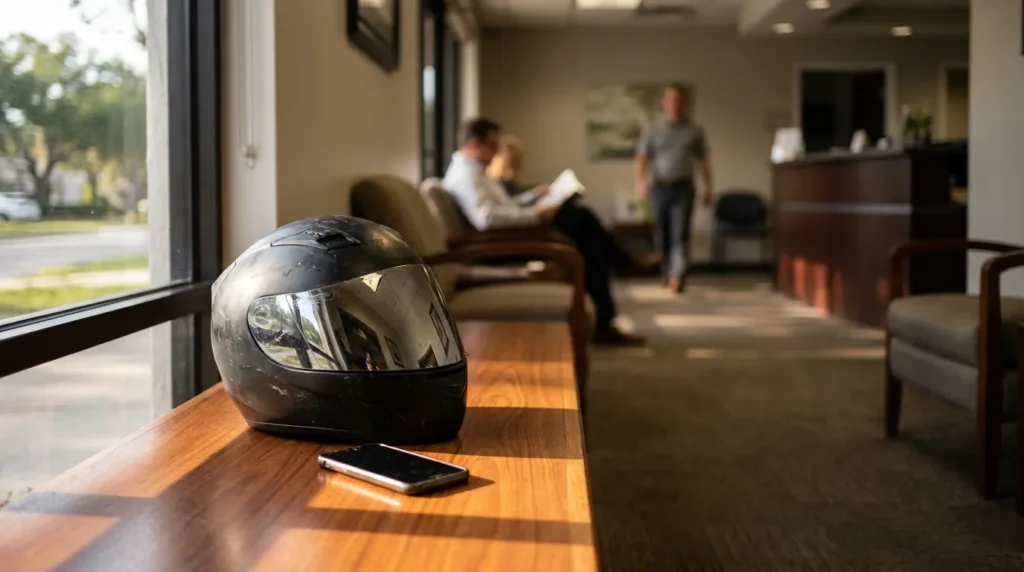
How One Post Can Undermine Your Orlando Motorcycle Injury Claim
Key Takeaways: A single social media post can seriously weaken an Orlando motorcycle crash claim, because insurers commonly review publicly available posts as part of investigations; while Fla. Stat. § 627.70131(1)(d) authorizes electronic methods to document certain residential and small commercial property losses, it does not specifically authorize reviewing personal social media for injury claims. Even harmless-seeming content, like vacation photos or comments downplaying pain, can be framed as inconsistent with your injuries or used to raise your share of fault under Florida’s modified comparative fault rules, which bar recovery if you are more than 50 percent at fault. Posts showing helmetless riding or statements about speed can invite the helmet defense and liability disputes. To protect your claim, riders should set profiles to private, stop posting, avoid deleting existing content, ask others not to tag them, and document injuries privately. Most motorcycle injury claims must be filed within two years. Consulting an experienced Orlando motorcycle injury lawyer early helps injured riders avoid costly missteps.
A single social media post can quietly damage an otherwise strong Orlando motorcycle crash claim. After a serious wreck, riders often share updates without realizing that insurers and defense attorneys may be watching. In Florida, what you post about your activities, injuries, or the crash can be used to reduce or deny compensation. Understanding these risks early gives injured riders a meaningful advantage.
If you were hurt in a Central Florida motorcycle crash, the team at Norden Leacox is ready to help. Call our office at 407-801-3000 or reach out through our secure contact form to discuss your situation.
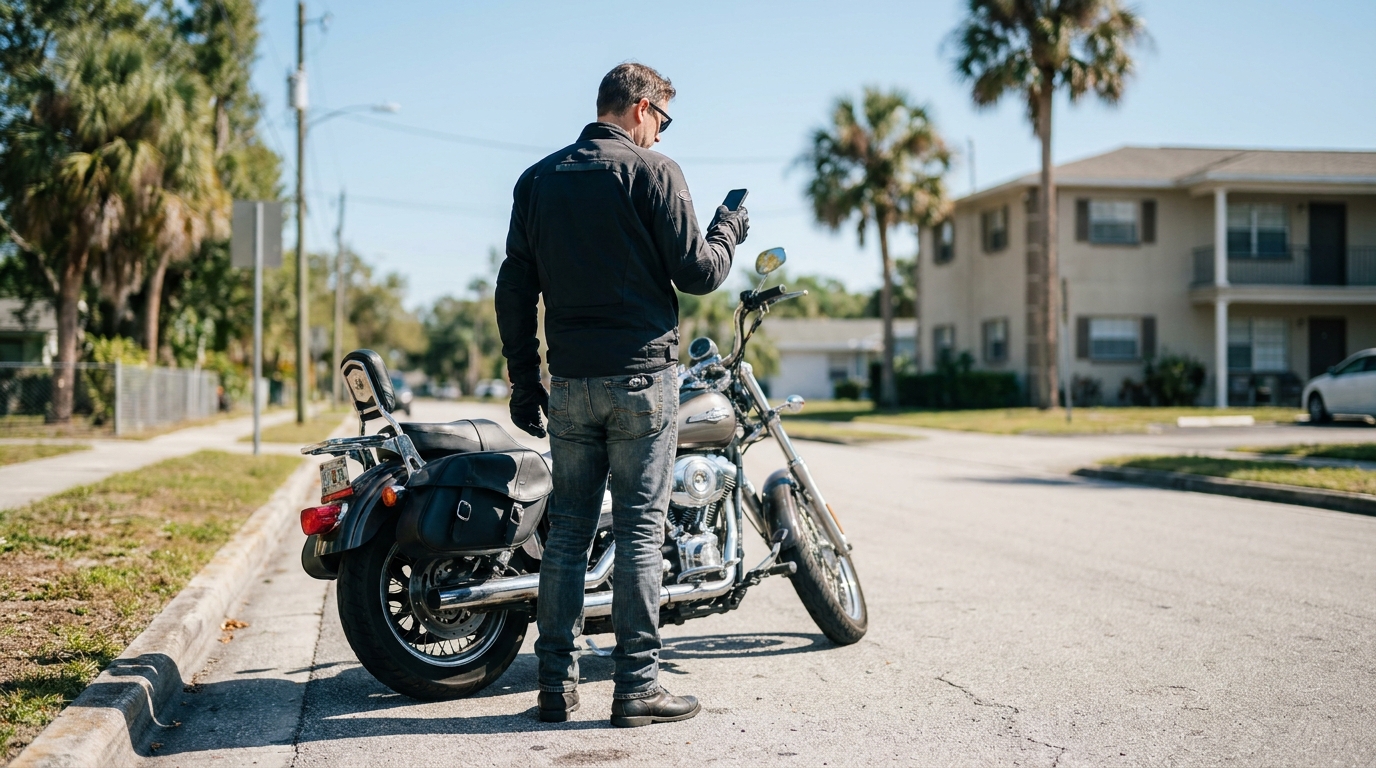
Why Insurers Watch Social Media After a Crash
Insurers commonly use electronic tools and publicly available online content when investigating claims. Insurers may review publicly available posts, images, and videos during liability investigations. Fla. Stat. § 627.70131(1)(d) does authorize insurers to use electronic methods, including photographs and video recordings, but that provision is focused on documenting residential and small commercial property losses and is not the specific legal basis for reviewing social media in personal injury or motorcycle accident claims. Content that appears to contradict your stated injuries or crash circumstances can be cited to limit your recovery.
The danger often comes from posts that seem harmless. A photo at a family barbecue, a vacation check-in, or a comment downplaying your pain can all be interpreted in ways you never intended. Adjusters reviewing a social media insurance claim motorcycle file may argue that your activities are inconsistent with the injuries you describe. Even old posts can resurface if your privacy settings are loose.
💡 Pro Tip: Consider pausing all social media activity after a crash and asking friends and family not to tag you, post photos, or comment about the incident until your claim resolves.
Brevard County Motorcycle Accident Statistics and the Stakes for Riders
The physical and legal stakes for motorcyclists are unusually high. According to the Insurance Institute for Highway Safety, per mile traveled motorcyclists face far greater danger, with motorcycle deaths in the U.S. reaching nearly 28 times the rate for car occupants. Those sobering figures underscore why post-crash decisions, including what you share online, carry real weight.
Local crash data shapes how claims are evaluated. Brevard County motorcycle accident statistics reflect the statewide trend: motorcyclists suffer disproportionately serious injuries compared to drivers. For riders weighing whether to pursue a claim, this context helps explain why insurers scrutinize every detail. A motorcycle crash mistakes Florida narrative built from your own posts can become a costly motorcycle injury case error.
Severe injuries demand careful documentation. Traumatic brain injuries, spinal damage, and fractures often require months of treatment and lost income. When your medical records tell one story and your social media tells another, the gap can be exploited. Keeping your online presence consistent with your actual recovery protects your evidence.
How Florida’s Comparative Fault Rules Magnify the Risk
Florida applies a modified comparative fault system that can sharply reduce or even eliminate a recovery. Under Fla. Stat. § 768.81(3), courts apportion fault by percentage among all parties. More critically, Fla. Stat. § 768.81(6) provides that a party found greater than 50 percent at fault for their own harm may not recover any damages, though this 50 percent bar does not apply to actions for medical negligence. A social media post suggesting you were speeding, distracted, or partly responsible can be used to push your assigned percentage upward.
Even posts unrelated to fault can affect damages. A picture of you hiking or lifting a child may be framed as evidence that your pain and suffering claim is overstated. Because fault and damages are evaluated together, opposing counsel may use online content to chip away at both. This is one reason a social media motorcycle lawsuit can hinge on details that seemed trivial at the time of posting.
💡 Pro Tip: Avoid commenting on speed, road conditions, or who caused the crash online. Those statements may conflict with the official record and invite disputes about fault.
Helmets, Eye Protection, and the Florida Helmet Defense
Florida’s safety equipment laws can become a focal point in motorcycle injury litigation. Under Florida’s motorcycle statutes, Fla. Stat. § 316.211(1) generally requires DOT-compliant headgear, though § 316.211(3)(b) allows riders over 21 to ride without a helmet if they carry at least $10,000 in qualifying medical benefits coverage. Section 316.211(2) also requires approved eye protection. Posts showing a rider without required gear can be used to argue negligence or assumption of risk.
This dynamic connects to the helmet defense. Florida courts have recognized arguments that a rider’s choice to forgo a helmet contributed to head injuries. A social media motorcycle accident Orlando image showing a helmetless ride, even a lawful one under the exemption, can still invite arguments that reduce recovery for head trauma.
The lesson is consistency and caution. What you wore, what you posted, and what the crash report says should align. When they do not, those motorcycle injury case errors give the other side openings.
Practical Steps to Protect Your Claim Online
A few disciplined habits can preserve the value of your case. The following Brevard County motorcycle case tips reflect common challenges injured riders face:
- Set all profiles to private and decline new friend or follower requests from strangers.
- Do not post photos, videos, or check-ins showing physical activity or travel.
- Ask friends and family not to tag you or discuss the crash publicly.
- Avoid deleting existing posts, since removing content may raise spoliation concerns.
- Save and document, rather than publicize, anything relevant to your injuries.
Timing also matters under Florida law. Most motorcycle crash injury claims are negligence actions, and Fla. Stat. § 95.11(5)(a) generally requires that they be filed within two years. Wrongful death actions arising from a fatal crash are likewise subject to a two-year deadline under Fla. Stat. § 95.11(5)(e). Courts interpret exceptions to these deadlines narrowly.
💡 Pro Tip: Keep a private written journal of your symptoms, treatment, and daily limitations. This protected record can support your damages without exposing details to insurers online.
Strong claims rest on strong documentation. The official Florida Traffic Crash Report, required under Fla. Stat. § 316.066(1)(a) and (b), records crash details. If your posts contradict that report, the discrepancy can surface during settlement talks or litigation. For immediate steps, riders can review what to do right after a crash.
When to Involve an Orlando Motorcycle Injury Lawyer
Guidance early in the process helps injured riders avoid avoidable mistakes. An insurer may seize on old posts to argue prior injuries. Working with an experienced Orlando motorcycle injury lawyer can help you understand how comparative fault, damages, and the statute of limitations apply to your facts.
💡 Pro Tip: Before posting anything during an active claim, ask whether the content could be misread by someone trying to minimize your injuries. When in doubt, leave it offline.
Frequently Asked Questions
1. Can insurers really use my private social media posts?
Insurers generally focus on publicly available content. Insurers may use electronic methods and investigative techniques to investigate a loss and commonly review publicly available posts, images, and videos. Fla. Stat. § 627.70131(1)(d) authorizes electronic methods to document certain residential and small commercial property losses, but it is not the specific legal basis for accessing private social media in personal injury claims. Private posts are harder to access, which is why tightening privacy settings is sensible.
2. Should I delete posts after a motorcycle crash?
Deleting content can create separate problems. Removing posts after a claim begins may raise concerns about destroying evidence. Stop posting and consult counsel before altering anything.
3. Does riding without a helmet bar my claim in Florida?
Not automatically. Fla. Stat. § 316.211(3)(b) permits qualifying riders over 21 to ride without a helmet. However, a defendant may still raise the helmet defense to argue that head injuries were worsened.
4. How long do I have to file a motorcycle injury claim?
Most claims must be filed within two years. Fla. Stat. § 95.11(5)(a) sets a two-year window for negligence actions. Exceptions are interpreted narrowly, so prompt action is wise.
5. What if I was partly at fault for the crash?
You may still recover, within limits. Under Fla. Stat. § 768.81, your damages are reduced by your percentage of fault, and recovery is barred if you are found more than 50 percent at fault.
Protecting Your Recovery Starts With Smart Choices
What you post after a crash can shape what you ultimately recover. Florida’s investigation, comparative fault, and safety equipment laws give insurers and defense attorneys multiple ways to use your own words and images against you. By staying offline, documenting your injuries privately, and understanding the relevant statutes, injured riders can protect both their claims and their recovery.
If a Central Florida motorcycle crash has left you injured, let Norden Leacox help you safeguard your case. Call our motorcycle accident attorneys in Orlando, FL at 407-801-3000 or send a message through our free consultation request today. The sooner you reach out, the sooner we can help you avoid mistakes that could limit your claim.