


zleacox@nordenleacox.com | November 22, 2026 | Personal Injury
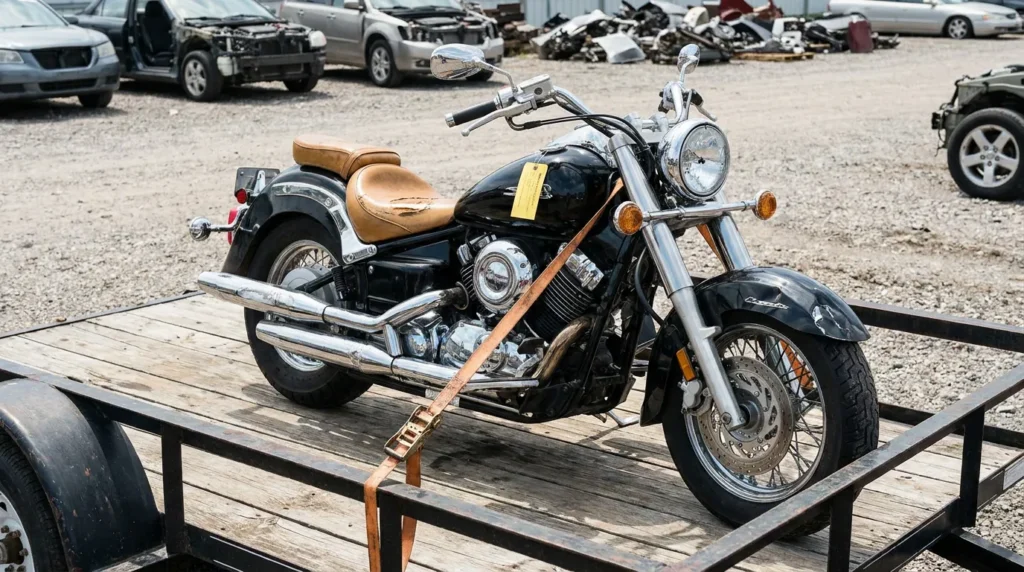
Custom Upgrades and Your Motorcycle Total Loss Value in Florida
Key Takeaways: In many cases, you may be able to recover the value of aftermarket parts on a totaled motorcycle in Florida, but you usually have to push for it, because insurers tend to value bikes using guides built around stock models. When a first-party policy pays a total loss on an actual cash value basis, Florida law generally limits how the insurer can set the value: local comparables, recognized databases or guidebooks, licensed dealer quotes, a truly comparable replacement with similar options, or another documented method. On request, insurers generally must provide valuation report pages or name the guidebook they used, and they generally must itemize and explain any deductions. Receipts, invoices, photos, and shop records for every upgrade can make a claim stronger. Your policy may limit custom parts coverage unless you bought an accessory endorsement. Riders should also watch deadlines, including the general five-year limit for written contract claims and the shorter two-year limit for most negligence claims against an at-fault driver.
Yes, in many cases you may be able to recover the value of aftermarket parts on a totaled motorcycle, but it rarely happens unless you push for it. Insurers often value a bike using guides built around stock models. That can leave out thousands of dollars in custom exhaust, upgraded suspension, custom paint, and other add-ons. Florida law sets specific rules for how insurers must calculate a motorcycle total loss value, and riders in Palm Bay and across Central Florida may be able to use those rules to challenge a lowball offer.
If a crash wrecked your custom bike and possibly injured you too, you do not have to sort out the insurer’s numbers by yourself. The team at Norden Leacox can review your valuation and explain your options. Call 407-801-3000 or contact us now to schedule a free consultation.
When Does Florida Treat a Motorcycle as Totaled?
Florida’s title statute sets out more than one test for when a vehicle counts as a total loss. Under Fla. Stat. § 319.30(3)(a)1-2, an insured vehicle is a total loss when the insurer pays the owner to replace it with one of like kind and quality. An uninsured vehicle is a total loss when repair costs at the time of loss are 80 percent or more of the cost to replace it with one of like kind and quality. If the insurer and owner agree to repair the vehicle instead, it is generally not treated as a total loss for title purposes. But if repair costs exceed 100 percent of replacement cost, the owner must ask the department within 72 hours of the agreement to brand the title "Total Loss Vehicle."
The 90 Percent Rule for Late-Model Vehicles
A separate rule covers certain late-model vehicles with a current retail cost of at least $7,500 just before the damage. Under Fla. Stat. § 319.30(3)(c), the department declares such a vehicle unrebuildable and issues a certificate of destruction if the estimated repair cost is 90 percent or more of current retail cost, subject to the statute’s other conditions. That retail cost comes from an official used-vehicle guide or valuation service, which usually reflects stock values and may leave out your upgrades. You can read the full title provisions in Florida’s motor vehicle title laws.
Why "Like Kind and Quality" Matters for Custom Bikes
The "like kind and quality" standard may work in a rider’s favor, depending on the facts. A heavily modified motorcycle is arguably not the same kind or quality as a stock bike of the same make and model. Your upgrades may affect both whether the bike is declared a total loss and how much it is worth, so document them from the start.
How Florida Law Limits the Insurer’s Valuation Methods
When a first-party policy pays total losses on an actual cash value or like-kind-and-quality basis, Florida law generally allows only a few valuation methods. Under Fla. Stat. § 626.9743(5)(a), the insurer can pay cash based on the actual cost to buy a comparable vehicle, including sales tax and fees, using one of the statute’s listed methods. The full insurance code is available in Florida’s insurance claim statutes.
| Valuation Method | What Florida Law Requires | What Riders Should Check |
|---|---|---|
| Local comparables | Two or more comparable vehicles in the local market within the last 90 days | Do the comparables have similar upgrades? |
| Industry source | An electronic database or public guidebook | Request report pages or the guidebook name |
| Dealer quotes | Quotes from two or more licensed local dealers | Did the dealers price a custom bike or a stock one? |
| Replacement vehicle | Same maker, same or newer year, similar options and mileage | Is a stock bike really "comparable"? |
| Other method | Must be documented, with itemized deductions | Ask for a written explanation |
Your Right to See the Valuation Report
If the insurer uses a database valuation, Fla. Stat. § 626.9743(5)(a)2.a-b requires it to give you the relevant pages of the report when you ask. If it uses a guidebook, it must name the guidebook on request. These documents can show whether your exhaust, suspension, paint work, and other add-ons were counted.
💡 Pro Tip: Make your request for valuation documents in writing and keep a dated copy.
Replacement Bikes Must Be Truly Comparable
An insurer can offer a replacement vehicle instead of cash, but the replacement generally has to meet strict standards. Under Fla. Stat. § 626.9743(5)(b), the replacement must have the same maker, the same or a newer model year, a similar body type, and similar options and mileage. It must also be in as good or better overall condition and available for inspection within a reasonable distance of your home. The "similar options" rule may give the owner of a totaled custom bike a basis to argue that a stock model is not comparable.
Challenging Deductions and Unexplained Depreciation
Florida law generally requires insurers to justify their deductions. If the insurer settles using a method other than the listed ones, Fla. Stat. § 626.9743(5)(c)-(d) requires documents to back up the value. You and the insurer can also agree to another method, which may leave room to negotiate a payout that includes your documented aftermarket parts.
Reductions for betterment or depreciation have their own rules. Under Fla. Stat. § 626.9743(6), the insurer must keep information about the reduction in its claim file. Each deduction must be itemized, specific as to dollar amount, and appropriate in amount, and the insurer must explain the basis in writing if you ask. You may be able to use this rule to challenge unexplained depreciation on accessories and performance parts.
Unfair Claim Settlement Practices
Florida’s Unfair Insurance Trade Practices Act treats certain conduct as an unfair claim settlement practice when an insurer commits or performs it with such frequency as to indicate a general business practice. Under Fla. Stat. § 626.9541(1)(i)3, this conduct includes:
- Misrepresenting pertinent facts or policy provisions about the coverage at issue
- Denying claims without a reasonable investigation
- Failing to promptly provide a reasonable written explanation for a claim denial or compromise offer
- Failing to promptly notify the insured of additional information needed to process a claim
- Altering or amending an adjuster’s report without providing a detailed explanation and a record of the changes
These standards may apply when an insurer ignores your upgrade receipts or will not say why it left out custom parts. However, the statute generally targets conduct repeated often enough to show a general business practice, and state regulators mainly enforce it. A single bad offer may not, by itself, be a violation.
Building a Strong Motorcycle Property Damage Claim
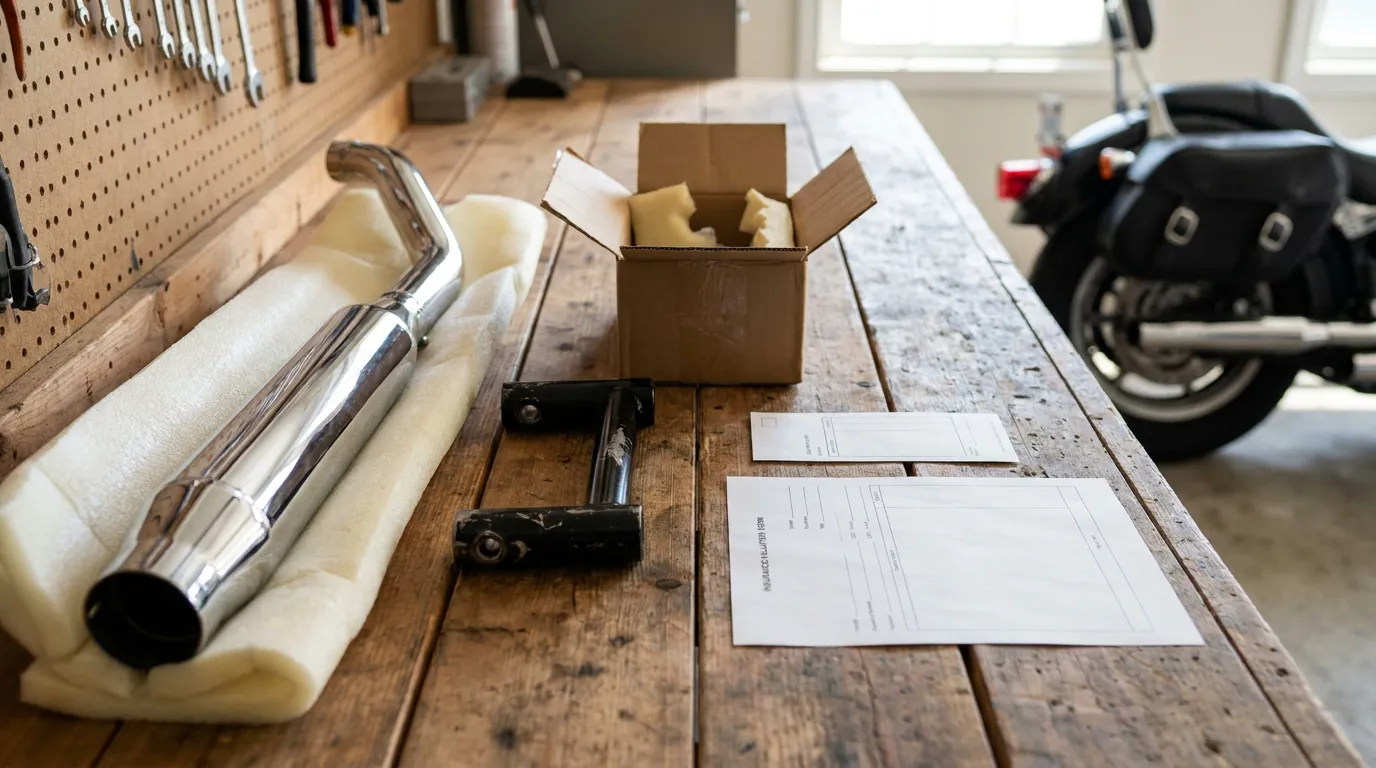
The strongest custom motorcycle total loss claims usually rest on solid records. Gather receipts, invoices, installation records, and before-and-after photos of every upgrade. Dyno sheets, shop work orders, and build sheets can also help. Some Florida motorcycle policies limit custom parts coverage unless you bought an accessory endorsement, so review your declarations page carefully.
💡 Pro Tip: Even after a crash, you may be able to rebuild records by asking the shops that did the work, your credit card company, or online retailers for order histories.
If a careless driver hit you, you may also have a claim against that driver, which works differently from a claim with your own insurer. To win a negligence claim, you generally have to prove duty, breach, causation, and damages. Under Florida’s modified comparative negligence rule, your recovery drops by your percentage of fault, and you cannot recover anything if a jury finds you more than 50 percent at fault. Our overview of what happens when a vehicle is totaled explains more.
Deadlines That Could Affect Your Recovery
Florida sets time limits for filing suit, and missing them can end a claim. Under Fla. Stat. § 95.11(2)(b), you generally must bring a suit on a written contract, such as an insurance policy, within five years. Negligence claims against an at-fault driver that arose after March 24, 2023, generally carry a two-year deadline under Fla. Stat. § 95.11(4)(a). Exceptions such as tolling apply only in limited cases, and your policy may have its own notice and proof-of-loss rules.
A motorcycle total loss value lawyer can help you figure out which deadlines apply before time runs out. This matters even more if you are also recovering from injuries.
Frequently Asked Questions
1. Will my insurer automatically include aftermarket parts in the payout?
In many cases, no. Guidebooks and databases generally reflect stock values, so you may need to document your upgrades and ask the insurer to include them.
2. Can I demand to see how the insurer valued my motorcycle?
Generally, yes. Under Fla. Stat. § 626.9743(5)(a)2.a-b, the insurer must provide the relevant database report pages or name the guidebook it used when you ask.
3. What if the insurer offers a stock replacement bike?
Under Fla. Stat. § 626.9743(5)(b), a replacement must have similar options. You may have grounds to argue that a stock model is not comparable to your custom bike.
4. How long do I have to sue over a valuation dispute?
Suits on a written contract generally carry a five-year limit under Fla. Stat. § 95.11(2)(b). Negligence claims against an at-fault driver generally have a two-year limit, and your policy may set its own notice rules, so act promptly.
5. Does my policy need special custom parts coverage?
It may. Some policies cap coverage for accessories unless you bought an endorsement, so check your policy terms.
Protecting the Full Value of Your Custom Ride
Florida law gives riders tools that may help them challenge a low motorcycle total loss value. Insurers generally must use recognized valuation methods, itemize deductions, explain their reasoning when asked, and offer truly comparable replacements. Good records and attention to deadlines can make a real difference, though results depend on the facts and the policy language.
If your custom bike was totaled in a Palm Bay crash, Norden Leacox can help you understand your rights. Call 407-801-3000 or schedule your free consultation today.
Disclaimer: This content is for informational purposes only and is not legal advice. Every case is unique, and results may vary. Consult an attorney about your specific circumstances.