


[email protected] | June 26, 2026 | Car Accidents
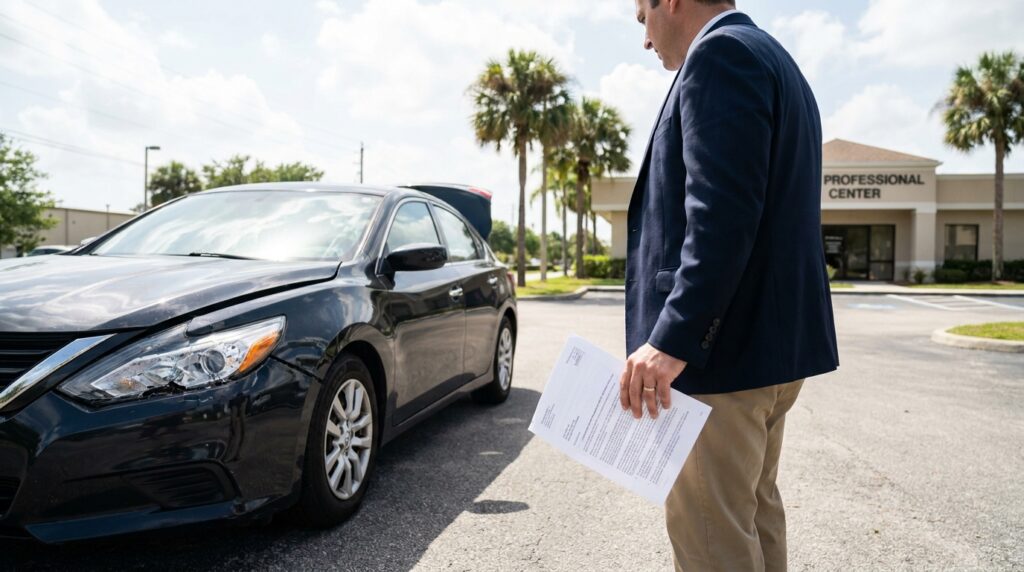
Understanding Why Florida Insurers Deny Car Accident Claims
Key Takeaways: A denied car accident claim in Palm Bay often signals the start of negotiation rather than the end of your case. Insurers commonly deny claims based on missed 14-day medical deadlines, fault disputes, fraud allegations, or coverage limits, often reflecting cost-saving tactics rather than legitimate coverage gaps. A Palm Bay car accident lawyer can review the denial letter, hold the insurer to its statutory duties, and send a pre-suit demand letter that may recover PIP benefits within the 30-day payment window. When an insurer acts in bad faith, Florida law may allow damages exceeding policy limits, though mere negligence is insufficient. Since being more than 50 percent at fault bars recovery and the negligence lawsuit deadline is generally two years (for causes of action accruing on or after March 24, 2023), acting early preserves evidence and strengthens your right to compensation.
A denied car accident claim in Palm Bay does not have to be the end of your case. When an insurer rejects your claim, you generally have legal avenues to challenge that decision, demand payment, and potentially pursue damages beyond policy limits. An attorney can review the denial letter, identify whether the insurer followed Florida law, and build a strategy to protect your rights. Many denials reflect aggressive cost-saving tactics rather than legitimate coverage gaps.
If your claim was wrongfully denied, do not wait to act. The team at Norden Leacox helps Central Florida crash victims fight unfair insurer decisions. Call us at 407-801-3000 or reach out through our online case review form to discuss your options.
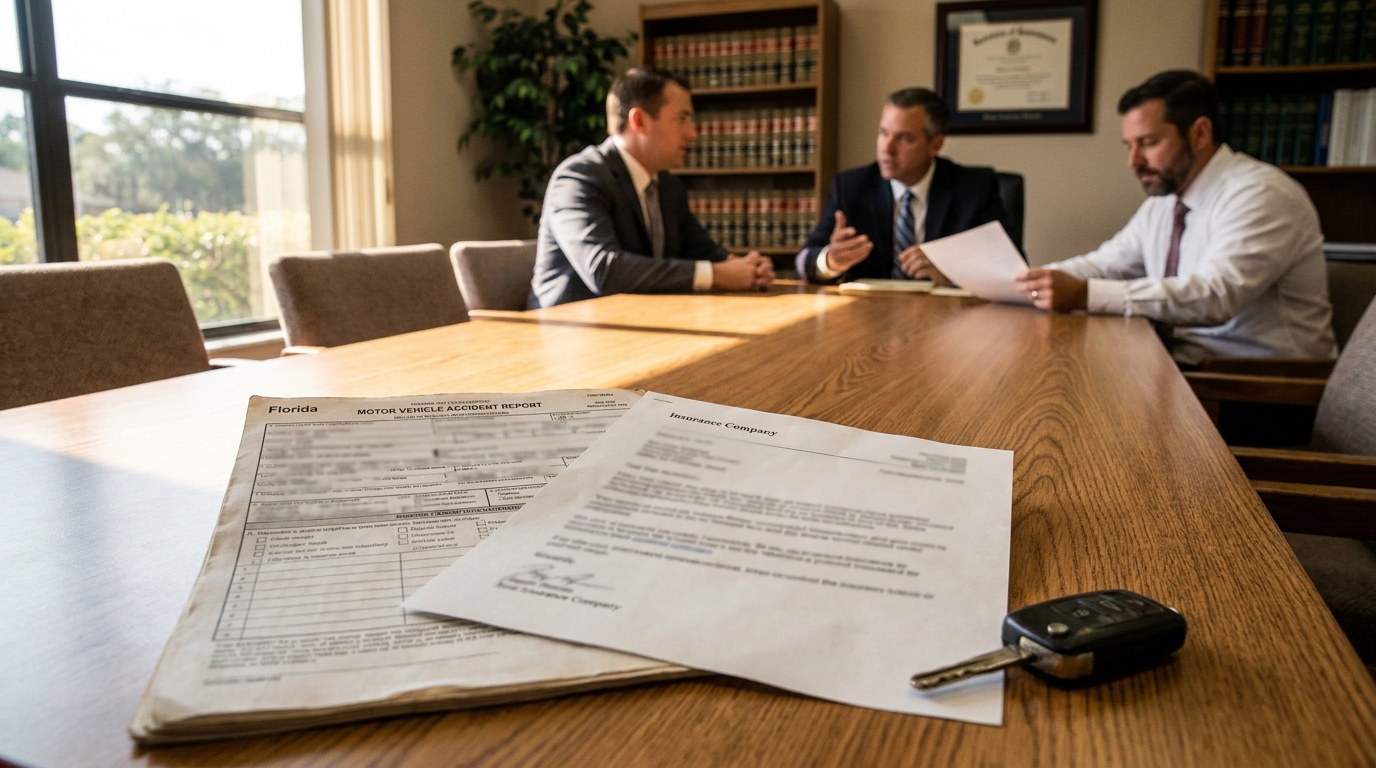
Common Reasons a Car Accident Claim Gets Denied in Florida
Insurers rely on several recurring justifications when denying or reducing claims. Understanding these reasons helps you recognize when a denial may be improper. A denied insurance claim in Palm Bay often stems from technical arguments about timing, coverage, or fault rather than injury merits.
Common grounds for denial include:
- Missed medical deadlines. Personal Injury Protection benefits generally apply only if the injured person receives initial care within 14 days after the crash. Per Fla. Stat. § 627.736(1)(a), reimbursement of eighty percent of reasonable medical expenses depends on timely treatment.
- Disputes over fault. Insurers frequently argue that you were primarily responsible for the collision.
- Allegations of fraud. Under Fla. Stat. § 627.736(4)(h), PIP benefits are not payable to an insured who has committed material insurance fraud relating to that coverage, but only where fraud is admitted in a sworn statement or established in court.
- Coverage limits and emergency condition findings. Benefits may be limited to $2,500 if no emergency medical condition is found, per Fla. Stat. § 627.736(1)(a)(4).
💡 Pro Tip: Save every receipt, treatment note, and appointment record from the first two weeks after your crash. That documentation often determines whether a PIP denial can be overturned.
How a Palm Bay Car Accident Lawyer Challenges a Wrongful Denial
A car accident claim denied in Florida can frequently be contested when the insurer ignored its statutory duties. Florida holds liability insurers to a formal standard of conduct, and a pattern of failing to meet that standard carries consequences. Under Fla. Stat. § 624.3161(9)(a), an insurer may face enhanced penalties when it shows a pattern of failing to evaluate claims fairly or failing to assign a licensed adjuster.
The first step is careful review of how the insurer communicated the denial. When an insurer pays only a portion of a claim or rejects it, Fla. Stat. § 627.736(4)(b)(2) requires itemized specification of each reduced, omitted, or declined item. That itemization gives your attorney a roadmap for challenging each disputed line.
Florida also limits deflection tactics insurers may use. Fla. Stat. § 626.9743(2) prohibits an insurer from recommending that a third-party claimant file under their own policy solely to avoid paying, when liability and damages are reasonably clear. If the at-fault driver’s insurer pushed your valid claim onto your own coverage, that conduct may violate the statute.
💡 Pro Tip: Keep a written log of every phone call with an adjuster, including dates, names, and what was said. These notes can become valuable evidence.
The Demand Letter and the 30-Day Payment Window
Before filing a lawsuit for PIP benefits, Florida requires a specific pre-suit step. Under Fla. Stat. § 627.736(10), written notice of intent to initiate litigation must be provided to the insurer as a condition precedent to any action for benefits.
The statute then gives the insurer a defined opportunity to resolve the dispute. If, within 30 days, the overdue claim is paid with interest and a 10% penalty, no action may be brought, per Fla. Stat. § 627.736(10)(d). PIP benefits are generally considered overdue if not paid within 30 days after the insurer receives written notice of a covered loss, under Fla. Stat. § 627.736(4)(b). A properly drafted demand can sometimes recover benefits without a lawsuit. For details on how these benefits work, our discussion of PIP coverage limits after a crash explains the $10,000 medical and disability framework.
When Bad Faith Damages May Exceed Policy Limits
Florida provides a statutory civil remedy against insurers who handle claims in bad faith. Under Fla. Stat. § 624.155(11), a person may obtain a judgment for bad faith insurer conduct, and damages recoverable may include an award exceeding policy limits. This makes the bad faith remedy a meaningful tool in disputed claim situations.
Proving bad faith requires more than showing the insurer made a mistake. Florida courts require more than simple negligence, and Fla. Stat. § 624.155(5)(a) confirms that mere negligence is insufficient to constitute bad faith. The duty runs both ways. Under Fla. Stat. § 624.155(5)(b), the insured and claimant also have a duty to act in good faith in furnishing claim information and attempting to settle. Review the full statutory framework in Florida’s insurance bad faith provisions to understand how these duties interact.
💡 Pro Tip: Respond promptly and honestly to reasonable information requests from your insurer. Gaps in your cooperation can undermine a later bad faith argument.
How Fault and Deadlines Affect a Denied Claim
Florida uses a modified comparative fault system that directly shapes recovery. Under Fla. Stat. § 768.81(3), courts enter judgment against each liable party based on that party’s percentage of fault. Critically, Fla. Stat. § 768.81(6) bars any party found more than 50 percent at fault for their own harm from recovering damages. Because insurers often deny claims by blaming the victim, building a strong liability case is essential.
Timing is equally decisive. Florida now imposes a two-year deadline to file a negligence-based personal injury lawsuit, as reflected in Fla. Stat. § 95.11(5)(a). Earlier accidents (those accruing before March 24, 2023) may fall under the prior four-year negligence period that was formerly found in Fla. Stat. § 95.11(3)(a), while accidents accruing on or after March 24, 2023 are subject to the current two-year period, so the applicable deadline depends on your crash date. Missing the deadline can permanently end your right to recover.
Limited tolling provisions may pause the clock in narrow situations. Under Fla. Stat. § 95.051, the limitations period can be tolled in defined circumstances such as concealment of the defendant or adjudicated incapacity, with an absolute seven-year outer limit. Courts interpret these exceptions narrowly, and tolling does not apply automatically. Confirm your specific deadline with a qualified car accident lawyer in Brevard County rather than assuming an extension applies.
| Issue | Governing Statute | Key Deadline or Limit |
|---|---|---|
| PIP overdue payment | Fla. Stat. § 627.736(4)(b) | 30 days from written notice |
| Initial medical care | Fla. Stat. § 627.736(1)(a) | 14 days after crash |
| Negligence lawsuit (current, causes accruing on or after March 24, 2023) | Fla. Stat. § 95.11(5)(a) | 2 years |
| Comparative fault bar | Fla. Stat. § 768.81(6) | More than 50% fault |
Why Local Knowledge Matters for a Palm Bay Car Accident Lawyer
Insurance notification rules give Palm Bay victims additional protections. Florida requires motor vehicle owners to carry PIP coverage, and under Fla. Stat. § 627.7401(2), an insurer must mail or deliver notice of PIP rights to an insured within 21 days after receiving notice of an accident or injury claim. A failure to provide that notice, or a wrongful denial, can form the basis of a legal challenge.
Working with a local advocate helps when an insurer disputes fault or coverage. Crash victims throughout Central Florida benefit from counsel who understands both the statutory framework and how these cases unfold in practice. Our team works with clients across the area, including those who need an experienced Palm Bay car accident lawyer to confront a stubborn insurer.
Frequently Asked Questions
1. Can I still recover compensation if my PIP claim was denied?
In many cases, yes. A denial does not automatically mean your claim lacks merit. An attorney can send a statutory demand letter under Fla. Stat. § 627.736(10) and pursue litigation if appropriate.
2. What if the insurer says I was at fault for the crash?
Fault is often disputed and is not the insurer’s final word. Under Fla. Stat. § 768.81(3), recovery is based on each party’s percentage of fault. You may still recover unless you are found more than 50 percent at fault.
3. How long do I have to file a lawsuit after a denial?
The current negligence deadline is generally two years under Fla. Stat. § 95.11(5)(a) for causes of action accruing on or after March 24, 2023. The applicable period can vary based on your crash date, so confirm your deadline promptly.
4. Does missing the 14-day treatment window end my case?
It can affect PIP eligibility, but not necessarily your entire case. Fla. Stat. § 627.736(1)(a) ties benefits to care within 14 days, yet other recovery avenues may remain.
5. When can I pursue damages beyond the policy limits?
Bad faith conduct may open that door under Fla. Stat. § 624.155(11). Recoverable damages may exceed policy limits, though mere negligence is insufficient under § 624.155(5)(a).
Taking the Next Step After a Denied Claim
A denied claim is frequently the beginning of negotiation, not the end of your rights. Florida law provides demand requirements, comparative fault rules, notice obligations, and a bad faith remedy that can support a wrongfully denied accident victim. The right approach depends on the facts of your collision, the denial language, and applicable deadlines. Acting early preserves evidence and protects your options.
If an insurer has denied or shortchanged your car accident claim, let Norden Leacox review your situation and explain your rights. Call us at 407-801-3000, visit Norden Leacox online, or send your details through our confidential contact page to get started today.