


Norden Leacox Accident & Injury Law | October 21, 2026 | Truck Accidents
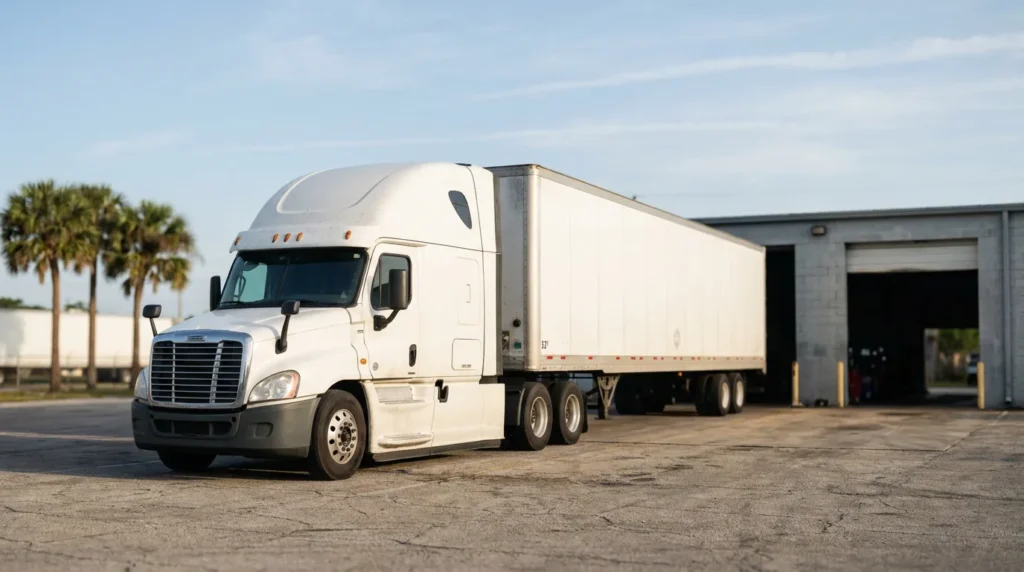
Holding Carriers Accountable for Unsafe Drivers in Florida
Key Takeaways: Yes, under Florida law a trucking company can generally be held liable through a negligent retention claim if it keeps a driver it knew, or should have known, was unfit and that decision leads to a crash. These claims focus on the carrier’s own conduct. Red flags include drug and alcohol violations reported to the federal clearinghouse, failed background checks, and disqualifying convictions under Fla. Stat. § 322.61. Victims generally must prove duty, breach, causation, and damages, and the crash must be a foreseeable result of keeping the unsafe driver. Florida’s background check presumption under Fla. Stat. § 768.096 covers only negligent hiring claims based on an employee’s intentional tort, so it usually offers little protection in a typical crash or retention case. Under Florida’s comparative fault rules, each party generally pays only its own share of fault. For actions filed after March 24, 2023, a victim found more than 50 percent at fault generally cannot recover. Most claims must be filed within two years, so preserving evidence like clearinghouse records, driver files, and ELD data quickly is critical.
Yes. Under Florida law, a trucking company can generally be held liable if it keeps a driver it knew, or should have known, was unfit, and that decision leads to a crash. These negligent retention claims are separate from the driver’s own negligence because they focus on what the company did or failed to do. However, when a carrier admits the driver was acting within the scope of employment, some Florida courts treat direct negligence claims as unnecessary alongside vicarious liability. For truck crash victims in Palm Bay and across Brevard County, knowing how these claims work can shape the whole case.
If a truck driver with a troubling history hurt you or a loved one, the team at Norden Leacox can help you look into the carrier’s role. Call 407-801-3000 or contact us now to talk through your options.
What Negligent Retention Means for Truck Crash Victims
Negligent retention happens when an employer becomes aware, or should have become aware, that an employee is unfit and fails to take appropriate action, such as investigating, reassigning, or firing the employee. In trucking, that could mean keeping a driver on the road after DUI arrests, failed drug tests, repeated speeding violations, or complaints about reckless driving. The claim targets the company’s own conduct, not just the driver’s mistake.
Negligence generally means failing to use the care a reasonably prudent person would use in similar circumstances. That standard, described in the basic definition of negligence, is the yardstick courts may use to judge a carrier’s choices. The question is whether a reasonable trucking company, knowing what this one knew or should have known, would have pulled the driver off the road.
Negligent Hiring vs. Negligent Retention
The main difference is timing. Negligent hiring asks whether the company should have caught the problem before hiring the driver. Negligent retention asks whether the company should have acted once problems came up during employment. Many cases involve both theories. For a closer look at the hiring side, see our discussion of trucking company negligent hiring claims in nearby Melbourne.
The Four Elements You Generally Must Prove
A negligence claim against a trucking company generally requires four elements: duty, breach, causation, and damages. The injured person generally carries the burden of proving each one:
- Duty: The carrier generally owes the traveling public a duty to use reasonable care in hiring, keeping, and supervising its drivers.
- Breach: The company failed that duty, for example by keeping a driver with known safety violations.
- Causation: The breach was connected to the crash and the injuries.
- Damages: The victim suffered real losses, such as medical bills, lost income, and pain and suffering.
Why Foreseeability Matters
Causation usually has two parts: actual cause and proximate cause. Actual cause asks whether the crash would have happened without the company’s failure. Proximate cause asks whether the harm was a foreseeable result of that failure. In a retention case, the victim would generally need to show the crash was the kind of danger the company should have expected when it kept an unsafe driver. A driver with prior impaired-driving violations who later crashes while impaired is a strong example. A link to an unrelated past problem may be harder to prove.
Truck Driver Drug Clearinghouse Negligent Hiring and Retention Red Flags
Drug and alcohol violations are some of the clearest warning signs a carrier can ignore. Federal rules require motor carriers to run a full clearinghouse query before a driver starts work and to query each driver at least once a year. When a company skips that step, or sees a violation and keeps the driver anyway, truck driver drug clearinghouse negligent hiring and retention claims may follow. Clearinghouse records and the carrier’s internal files can become key evidence.
Florida law treats impaired driving as a serious danger. Under Fla. Stat. § 316.1934(1), "normal faculties" include the ability to judge distances, make judgments, and act in emergencies. A company that keeps a driver with a known substance-abuse history on the road may be creating exactly that foreseeable risk.
Disqualifying Convictions Under Florida Law
Some convictions legally bar a driver from operating a commercial vehicle. Under Fla. Stat. § 322.61(3), a commercial driver convicted of offenses such as DUI, refusing an alcohol test, or causing a fatality through negligent operation of a commercial motor vehicle is generally disqualified for one year. The period rises to three years if the driver was hauling hazardous materials, and a second offense can lead to lifetime disqualification. If a carrier kept such a driver working, that may show the company was on notice of unfitness.
💡 Pro Tip: Write down everything you remember about the truck, including the company name, DOT number, and trailer markings. That information helps your lawyer identify the carrier and request its driver qualification files quickly.
How Florida’s Background Check Presumption Works
Florida gives employers a legal presumption that they were not negligent in hiring if they ran a proper background investigation that turned up no red flags. That presumption applies only when the harm came from an employee’s intentional tort. Under Fla. Stat. § 768.096(1), that investigation must include a criminal background check, reasonable efforts to contact references and former employers, questions on the application about prior convictions or intentional tort lawsuits, and, where relevant, a check of the driver license record.
The limits matter for victims. Most truck crashes involve negligence, not intentional torts, so the presumption often will not apply. The statute also covers only hiring, not retention claims, which focus on what the company learned later.
Who Pays: Fault Allocation Under Florida Law
Florida has abolished joint and several liability in most negligence actions, so each liable party generally pays only its own share of fault. Under Fla. Stat. § 768.81(3), the court generally enters judgment against each party based on its percentage of fault. In a truck crash, a jury might assign separate percentages to the driver, the carrier, a cargo loader, or even a parts manufacturer. A carrier that is vicariously liable for its driver may still be responsible for the driver’s share. Naming every responsible party can therefore affect how much you recover.
The 50 Percent Bar and Nonparty Fault
Your own share of fault can reduce your recovery or wipe it out. Under Fla. Stat. § 768.81(6), added in 2023 for actions filed after March 24, 2023, a claimant found more than 50 percent at fault for their own harm generally cannot recover damages in a covered negligence action. Medical negligence cases are an exception. At 50 percent or less, your damages are reduced in proportion to your fault under § 768.81(2).
Defendants may also try to blame someone who is not in the lawsuit, such as another motorist. Under Fla. Stat. § 768.81(3)(a), a defendant must affirmatively plead that nonparty’s fault and, absent good cause, identify the nonparty. The defendant must then prove that fault by a preponderance of the evidence.
Deadlines Truck Crash Victims Cannot Afford to Miss
Most negligence claims in Florida, including claims against a trucking company, must generally be filed within two years. Under Fla. Stat. § 95.11(5)(a) and (e), the two-year period applies to negligence and wrongful death actions. For negligence claims, it generally applies to causes of action that accrued after March 24, 2023. Older claims may fall under the prior four-year period. Missing the deadline can bar the claim entirely.
| Claim Type | General Deadline | Authority |
|---|---|---|
| Negligence (injury) | 2 years | Fla. Stat. § 95.11(5)(a) |
| Wrongful death | 2 years | Fla. Stat. § 95.11(5)(e) |
| Claims against the State or its agencies | 4 years (plus other requirements) | Fla. Stat. § 768.28(14) |
Claims against government entities follow a different framework. In the rare case a state agency or subdivision runs the truck, Fla. Stat. § 768.28(14) has generally allowed four years to file a negligence suit, but wrongful death claims face a shorter period. These claims also require written pre-suit notice and damages are capped.
Tolling may pause the clock in limited circumstances. Under Fla. Stat. § 95.051(1)(a) and (c), the defendant’s absence from the state or concealment to avoid service of process may toll the period. Courts interpret these exceptions narrowly, so relying on tolling is risky.
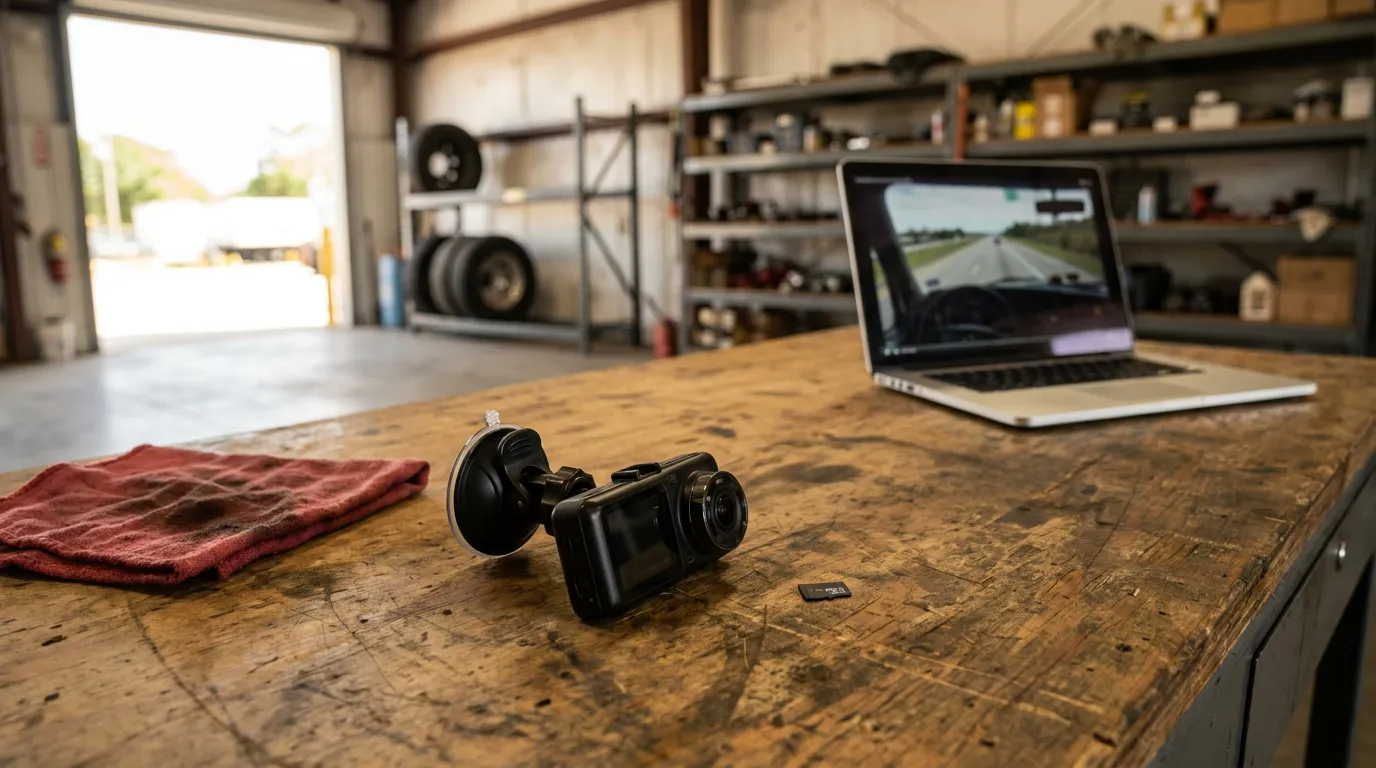
💡 Pro Tip: Carriers may keep some electronic logging and dashcam data for only a limited time. A prompt preservation letter from your attorney can help protect ELD data, EDR downloads, maintenance records, and video before they disappear.
Frequently Asked Questions
-
Can I sue both the truck driver and the trucking company?
In many cases, yes. The driver may be liable for careless driving. The company may be vicariously liable for its driver’s negligence and, depending on the facts, directly liable for negligent hiring, retention, or supervision. Each party may be assigned its own percentage of fault.
-
What evidence shows a company kept a dangerous driver?
Useful evidence may include driver qualification files, clearinghouse queries, drug test results, prior crash reports, disciplinary records, and license history. Obtaining these records usually requires formal legal requests.
-
What if I was partly at fault for the crash?
You may still recover if you were 50 percent or less at fault, though your damages would be reduced. Above 50 percent, recovery is generally barred under Fla. Stat. § 768.81(6) for actions filed after March 24, 2023.
-
How long do I have to file a truck accident lawsuit in Florida?
Generally two years for negligence and wrongful death claims under Fla. Stat. § 95.11(5). Exceptions are narrow, so acting early is safer.
-
What compensation might be available?
Victims may pursue medical expenses, lost wages, reduced earning capacity, and pain and suffering. Families may pursue wrongful death damages under Florida’s Wrongful Death Act.
Taking the Next Step After a Truck Crash
A trucking company that keeps a driver it knows, or should know, is unsafe may be liable for the harm that follows. Proving that claim generally means showing duty, breach, causation, and damages, while dealing with Florida’s comparative fault rules and strict deadlines. Evidence like clearinghouse records and driver files can make the difference, but it may not last long. Working with a truck driver drug clearinghouse negligent hiring lawyer can help you understand where your claim stands.
The attorneys at Norden Leacox are trusted by clients across Central Florida, including Palm Bay, to look into how carriers hire and keep their drivers. Call 407-801-3000 or schedule your consultation today to start protecting your rights.
Disclaimer: This content is for informational purposes only and is not legal advice. Every case is unique, and results may vary. Consult an attorney about your specific circumstances.