


Norden Leacox Accident & Injury Law | November 9, 2026 | Car Accident Lawyer Near Orlando Florida
How Whiplash Can Injure Your Jaw Without Any Impact
Key Takeaways: Yes, a car accident can cause TMJ disorder without a direct hit to the jaw, because whiplash forces can strain, stretch, or shift the temporomandibular joint and surrounding muscles and ligaments. Symptoms like jaw pain, clicking, headaches, and trouble chewing often appear days or weeks after the crash and may be missed at early medical visits. Florida PIP lists dental services by name and generally pays 80 percent of reasonable expenses, up to a $10,000 limit, but you generally must get initial care within 14 days of the accident. Benefits are limited to $2,500 unless a qualified provider finds an emergency medical condition. To recover pain and suffering damages from an at-fault driver or your own UM carrier, you typically must meet the permanency threshold in Fla. Stat. § 627.737(2). Prompt treatment, full symptom reporting, and attention to the two-year filing deadline can help protect both your health and your claim.
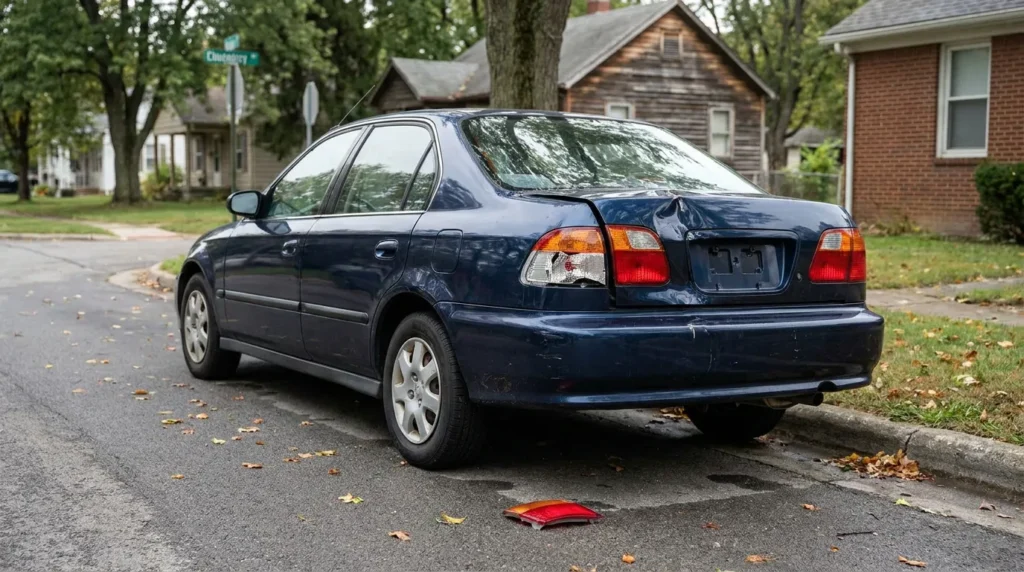
Yes, a car accident can cause TMJ disorder even if nothing ever touches your jaw. In a rear-end or side-impact crash, your head can snap forward and back in a split second. The jaw hangs from two small hinge joints, so whiplash can stretch, strain, or shift the temporomandibular joint and the muscles and ligaments around it. Many Orlando drivers do not notice jaw pain until days or weeks after the crash, which can cause problems when seeking Florida insurance benefits or bringing an injury claim.
If you have jaw pain, clicking, headaches, or trouble chewing after a crash, Norden Leacox can help you understand your options under Florida law. Call 407-801-3000 or contact us now to talk through what happened and what to do next.
The Medical Link Between Whiplash and TMJ
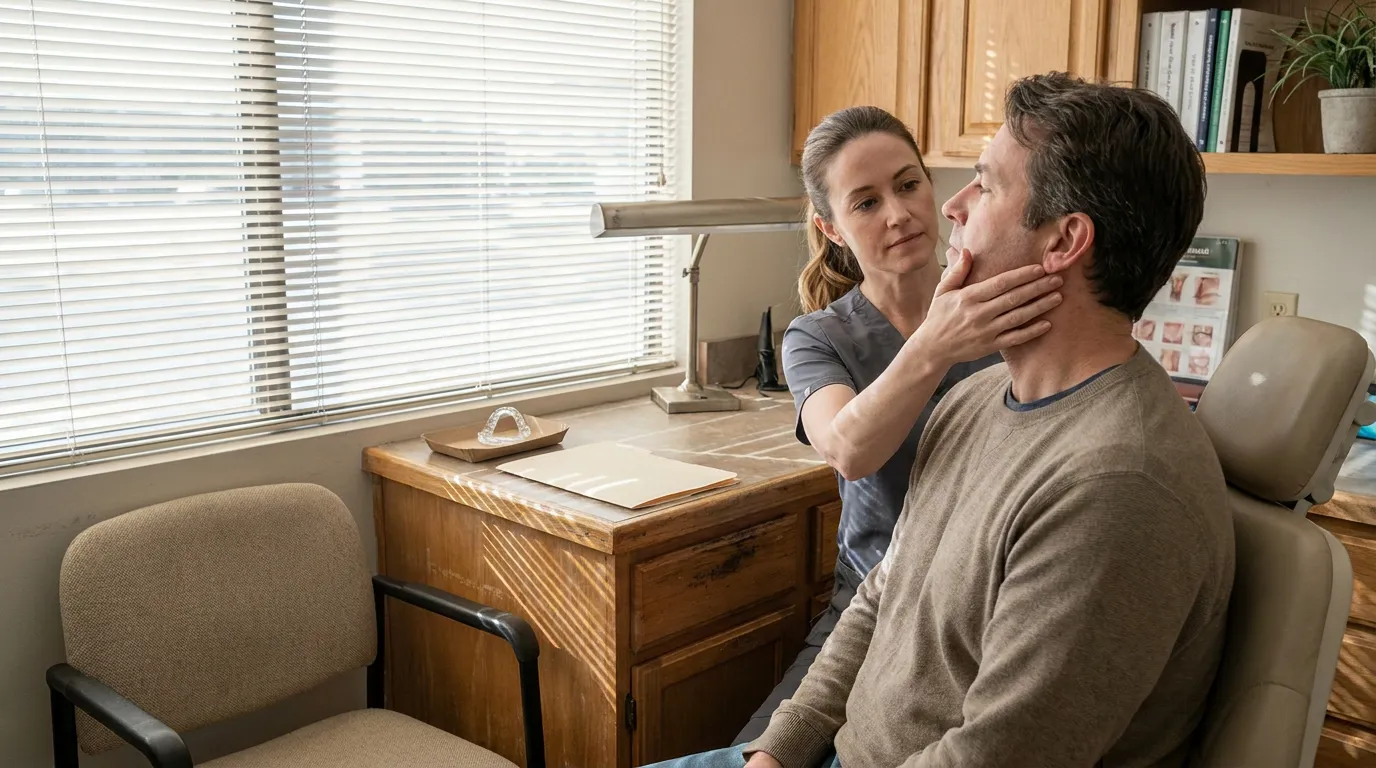
Whiplash and TMJ are linked by how the head, neck, and jaw move together in a sudden stop. When the body is thrown forward, the lower jaw can lag behind the skull and open sharply. When the head whips back, the jaw can slam shut or shift out of line. That motion can strain the jaw muscles, injure the cartilage disc inside the joint, or inflame surrounding tissue.
Common Symptoms of a Temporomandibular Joint Injury
People do not always link jaw problems to a car crash. Patients often report:
- Pain in the jaw, face, or in front of the ear
- Clicking, popping, or grinding when opening or closing the mouth
- Limited jaw opening or a jaw that locks
- Headaches, earaches, or ringing in the ears
- Pain or tiredness while chewing, talking, or yawning
- A bite that feels "off" or uneven
Because these symptoms can overlap with neck pain and concussion symptoms, ER staff sometimes miss them. Doctors focus first on the neck, spine, and head, so jaw complaints may not be recorded until a patient sees a dentist or oral surgeon.
Why Jaw Pain Often Shows Up Late
Jaw pain from whiplash often starts late. Swelling and muscle tightness take time to develop, and adrenaline can hide pain after a crash. If symptoms build in the days after a wreck, our guide on handling delayed pain after an accident explains steps to protect both your health and your claim.
How Florida PIP Applies to a TMJ Disorder Car Crash
Florida is a no-fault state, so your own Personal Injury Protection (PIP) coverage generally pays first after a crash, no matter who caused it. Under Fla. Stat. § 627.736(1), required PIP coverage provides up to $10,000 in combined medical, disability, and related benefits, plus a separate $5,000 death benefit. Subject to certain exclusions, it generally covers the named insured, relatives who live with them, other people driving or riding in the insured vehicle, and Florida residents struck as pedestrians.
Dental Care Is Covered by Name, With Limits
Florida’s PIP law names dental care, which matters for TMJ patients. Fla. Stat. § 627.736(1)(a) provides for 80 percent of all reasonable expenses for medically necessary medical, surgical, X-ray, dental, and rehabilitative services. Under § 627.736(4)(c), the insurer must also hold $5,000 of benefits for 30 days after it learns of a crash. That reserve can only pay certain providers, such as physicians and dentists licensed under chapter 466, for emergency or hospital-related care.
The biggest trap is the 14-day rule. PIP medical benefits generally require initial care within 14 days after the accident. Follow-up care, such as dental treatment, generally must also fit the underlying medical diagnosis and come through a referral from a qualified provider. If you wait three weeks to see anyone, you may lose PIP medical benefits entirely.
The Emergency Medical Condition Cap
How your injury is first recorded can change how much PIP pays. Under Fla. Stat. § 627.736(1)(a)3, 4, the full $10,000 is available only if a physician, osteopathic physician, physician assistant, or advanced practice registered nurse finds that you had an emergency medical condition. Otherwise, benefits are limited to $2,500. A jaw injury without impact is easy to overlook at an early visit, so tell providers about every symptom, including facial or jaw pain.
💡 Pro Tip: Keep a simple daily log of jaw symptoms, such as pain levels, foods you avoid, and times your jaw clicks or locks.
| PIP Rule | What It Means for TMJ Claims | Source |
|---|---|---|
| $10,000 benefit limit | Long-term TMJ care can use this up quickly | § 627.736(1) |
| 80% of reasonable expenses | Dental services are listed by name | § 627.736(1)(a) |
| 14-day initial care rule | Early treatment may help protect PIP benefits | § 627.736(1)(a) |
| $2,500 non-EMC cap | How your injury is first recorded matters | § 627.736(1)(a)3, 4 |
| $5,000 reserve | Held for 30 days to pay physicians and dentists for emergency or hospital-related care | § 627.736(4)(c) |
Insurance Company Rules That Can Affect Your Benefits
PIP insurers have ways to question whether the crash caused your jaw problem. Under Fla. Stat. § 627.736(6)(b), insurers can ask treating providers, including dentists and oral surgeons, for a written report of your history, condition, treatment, dates, and costs, along with a sworn statement that the treatment was reasonable and necessary. Records that clearly tie your jaw disorder to the crash can make a big difference.
You may also have duties of your own. Under Fla. Stat. § 627.736(6)(g), if your policy requires an examination under oath, you must comply before you can receive benefits. Insurers may also request an independent medical exam under § 627.736(7), and may use these to look for gaps in treatment or past jaw problems. Answering truthfully can help protect your benefits.
Pursuing a TMJ Accident Claim Beyond PIP
PIP alone often does not cover the full cost of a jaw injury. Splints, physical therapy, imaging, injections, and sometimes surgery can push costs past $10,000. PIP also does not pay for pain and suffering, and recovering those damages from the at-fault driver generally requires that your injury meet a threshold. Economic losses PIP does not pay, such as the remaining 20 percent of medical bills, are not subject to the same threshold.
Meeting Florida’s Permanency Threshold
Under Fla. Stat. § 627.737(2), you may recover for pain, suffering, mental anguish, and inconvenience only if the injury falls into one of four categories. These are significant and permanent loss of an important bodily function; permanent injury within a reasonable degree of medical probability, other than scarring or disfigurement; significant and permanent scarring or disfigurement; or death. You can read the full text of Florida’s no-fault insurance statutes on the Florida Senate’s website. For many TMJ claims, the key question is whether medical evidence shows the jaw problem is permanent.
A defendant may challenge whether you meet this threshold. Under Fla. Stat. § 627.737(3), when a defendant raises the issue by motion, the court must decide whether you will be able to offer some evidence that you meet subsection (2). If not, the court must dismiss the claim for those damages without prejudice. Strong medical records often get a claim past this stage.
Uninsured Drivers and the Same Threshold
The permanency threshold also applies when the at-fault driver has no insurance or too little. Under Fla. Stat. § 627.727(7), your own uninsured/underinsured motorist carrier does not owe pain and suffering damages unless the injury fits one of the categories in § 627.737(2). So the same medical proof often matters whether you pursue the other driver or your own UM coverage.
💡 Pro Tip: Once your condition stabilizes, ask your dentist or oral surgeon whether they can address permanency in their records.
Steps to Protect Your Health and Your TMJ After Car Accident Claim
Steps you take early may make your claim easier to prove. Get medical care within 14 days, even if you feel fine. Mention any jaw, facial, ear, or bite symptoms to every provider, and see a dentist or oral surgeon if pain develops. Save bills, imaging, and appointment records, and avoid giving recorded statements about your injuries before you understand your rights.
Deadlines also matter. For most negligence claims arising after March 24, 2023, Florida’s statute of limitations rules in Fla. Stat. § 95.11(4)(a) generally allow two years to file suit. PIP and UM claims are contract claims with different deadlines, and claims against government entities require written notice before suit under Fla. Stat. § 768.28. An experienced Orlando car accident TMJ lawyer can help you track these deadlines and gather the medical evidence your claim may need.
Frequently Asked Questions
1. Can I have TMJ after car accident whiplash if my face never hit anything?
Yes, indirect jaw trauma from rapid head movement can injure the temporomandibular joint. Whether the crash caused your jaw problem depends on a medical exam and your history.
2. Does Florida PIP pay for a dentist to treat my jaw?
Fla. Stat. § 627.736(1)(a) lists dental services among covered expenses. Coverage is generally 80 percent of reasonable, medically necessary expenses, subject to the $10,000 limit, the 14-day rule, and the $2,500 cap if no emergency medical condition is found.
3. What if my jaw pain started weeks after the crash?
Late symptoms are common, but timing can still affect your benefits. If you got initial care within 14 days, PIP may still cover later jaw treatment, as long as it is properly referred and medically necessary. Late onset can lead insurers to question causation, so detailed records help.
4. Can I get pain and suffering damages for Florida car accident jaw pain?
Usually only if your injury meets a threshold in Fla. Stat. § 627.737(2). That often means showing a permanent injury within a reasonable degree of medical probability.
5. What if I had jaw problems before the accident?
A past jaw problem does not necessarily bar a claim. A crash that worsens an earlier condition may still support recovery, generally limited to the harm the crash added.
Moving Forward After an Orlando Crash Jaw Injury
A car crash can injure your jaw even without a direct blow, and Florida’s no-fault rules make early, thorough records especially important. PIP may cover part of your dental and medical care if you get initial treatment within 14 days, but long-term TMJ treatment can use up those benefits quickly. Recovering pain and suffering damages generally requires medical proof that your injury meets the permanency threshold.
If jaw pain is affecting how you eat, sleep, or work after a crash, Norden Leacox is ready to listen and help you understand your options. Call 407-801-3000 or schedule your consultation today.
Disclaimer: This content is for informational purposes only and is not legal advice. Every case is unique, and results may vary. Consult an attorney about your specific circumstances.