


Norden Leacox Accident & Injury Law | November 11, 2026 | Personal Injury
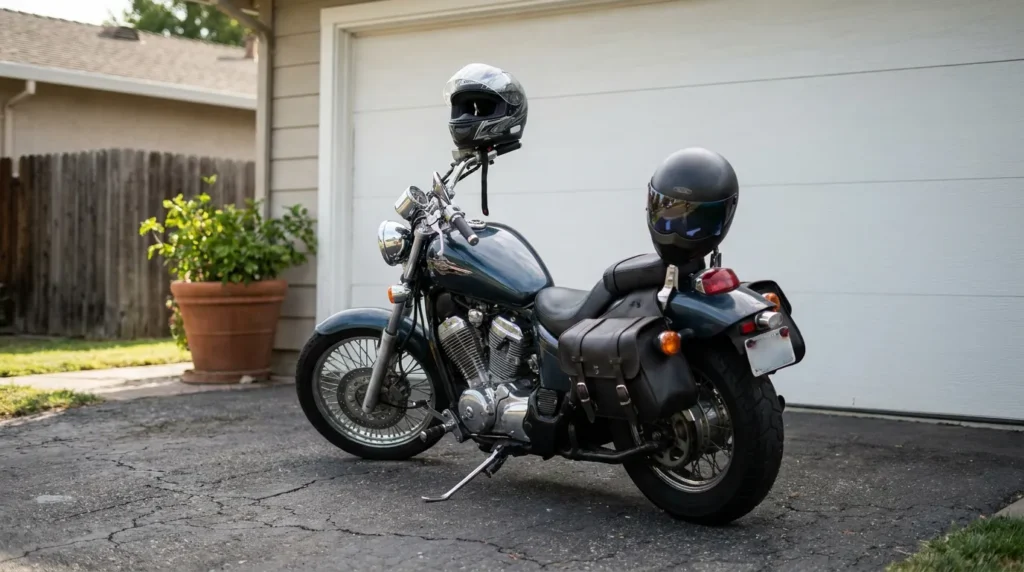
When a Motorcycle Passenger Gets Hurt in a Crash Involving Only the Motorcycle
Key Takeaways: When a motorcycle passenger is hurt and no other vehicle was involved, money usually comes from the rider’s bodily injury liability coverage, MedPay on the motorcycle policy, the passenger’s own health insurance, or a direct negligence claim against the rider. Florida’s PIP no-fault system generally covers only vehicles with four or more wheels, so motorcycle passengers usually do not get the set benefits car passengers get. Recovery often depends on the rider’s optional coverage and on proving carelessness. Florida’s tort threshold generally does not apply to these claims, but modified comparative negligence can reduce recovery, or bar it if the passenger is found more than 50 percent at fault. For crashes on or after March 24, 2023, most negligence lawsuits must be filed within two years, so acting early helps protect your rights and the evidence.
If you were hurt as a passenger and no other vehicle was involved, the money for your claim usually comes from the rider’s insurance, your own health coverage, or a negligence claim against the rider. Many passengers expect the no-fault benefits they would get in a car. But Florida’s Personal Injury Protection (PIP) system generally does not cover motorcycles, so the answer depends on what coverage the rider bought and whether the rider’s carelessness caused the crash.
You do not have to sort through these coverage questions alone. The Orlando team at Norden Leacox can review the rider’s policy, your own coverage, and the facts of the crash. Call 407-801-3000 or contact us now to schedule a free consultation.
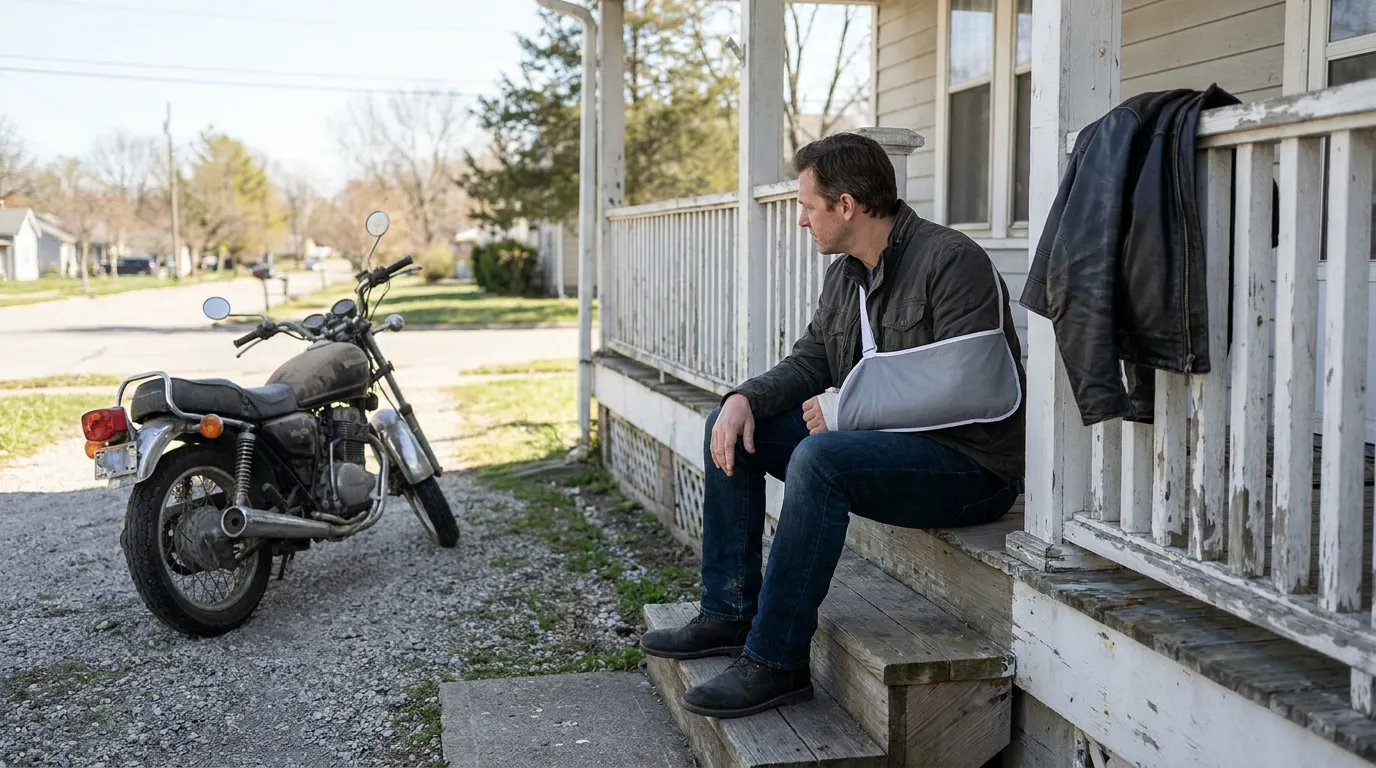
Why Florida’s No-Fault System Usually Leaves Motorcycle Passengers Out
Florida’s PIP law covers "motor vehicles," and the legal definition generally does not include motorcycles. Under Fla. Stat. § 627.732(3), a motor vehicle under Florida PIP law means "any self-propelled vehicle with four or more wheels which is of a type both designed and required to be licensed for use on the highways of this state." A two-wheeled motorcycle does not meet that definition. Laws can change, so confirm the current text for your claim.
What Car Passengers Get That Motorcycle Passengers Often Do Not
Car passengers in Florida can generally count on a basic set of benefits. Fla. Stat. § 627.736(1) requires PIP to cover the named insured, resident relatives, people driving the insured vehicle, passengers, and certain pedestrians. Coverage is up to $10,000 in medical and disability benefits and $5,000 in death benefits. PIP generally pays 80 percent of reasonable medical costs and 60 percent of lost income, and treatment generally must begin within 14 days. These benefits generally apply no matter who caused the crash.
Fla. Stat. § 627.736(4)(e)4 also sets whose policy pays a passenger first. The vehicle owner’s insurer generally pays PIP for others riding in the owner’s vehicle. Because motorcycles fall outside the PIP system, this rule usually does not give a motorcycle passenger a no-fault source of payment.
| Issue | Car Passenger | Motorcycle Passenger |
|---|---|---|
| PIP benefits available | Generally yes, up to $10,000 | Generally no |
| Payment regardless of fault | Generally yes, under PIP | Usually not; fault often matters |
| Main recovery source | PIP, then liability claim | Rider’s bodily injury coverage, MedPay, health insurance |
| Pain and suffering threshold | Generally applies under § 627.737(2) | Generally does not apply (depends on facts) |
Does Motorcycle Insurance Cover Passengers in Florida?
It depends on the optional coverages the rider bought. Florida does not require motorcyclists to carry PIP. In most cases it does not require bodily injury liability coverage either, unless the rider has had certain crashes or violations. Some riders carry generous coverage. Others carry little or none.
Coverage Sources That May Pay a Passenger
A passenger’s recovery usually comes from one or more of these sources:
- Bodily injury liability coverage on the rider’s policy, which may pay if the rider’s carelessness caused your injuries
- Medical payments (MedPay) coverage on the motorcycle policy, if the rider bought it
- Your own health insurance, which may cover treatment under its own terms and repayment rights
- A direct negligence claim against the rider, mainly when insurance is limited or unavailable
Each source has its own limits, exclusions, and claim steps. MedPay may pay small amounts quickly, often regardless of fault, but it rarely covers serious injuries in full. Bodily injury liability coverage generally requires proof that the rider was careless.
💡 Pro Tip: Ask the rider for a copy of the motorcycle policy’s declarations page as soon as you reasonably can. It usually lists which coverages exist and their limits.
Exclusions That Can Complicate a Claim
Some policy exclusions can reduce or remove coverage. Under Fla. Stat. § 627.747(1), a policyholder may agree in writing to exclude a named driver who is not a named insured. If the person riding the motorcycle was an excluded driver, the insurer may deny the claim. Florida courts have also generally upheld household or family-member exclusions in bodily injury liability policies, which may affect passengers related to the rider.
When the Rider Is at Fault: Building a Passenger Injury Claim
When the rider caused the crash, a passenger can generally bring a negligence claim against that rider. Many passengers hesitate because the rider is a spouse, friend, or relative. But if the rider has bodily injury liability coverage, the insurer usually pays the claim, up to policy limits, rather than the rider.
The Four Elements You Must Prove
A passenger injury claim generally requires proof of duty, breach, causation, and damages. The rider generally owed you a duty to ride with reasonable care. A breach may include speeding, riding impaired, lane splitting (which Florida generally bans), or taking a curve too fast. You would need to show the breach caused your injuries and that you suffered real losses, such as medical bills, lost wages, and pain and suffering. Medical records, imaging, and doctors’ opinions often matter most in linking your injuries to the crash.
Why the Tort Threshold May Not Apply
Florida’s tort exemption generally does not limit a motorcycle passenger’s pain and suffering claim against the rider. Fla. Stat. § 627.737(1)-(2) protects owners and drivers of motor vehicles that carry security under Fla. Stat. §§ 627.730-627.7405, limiting pain and suffering damages to cases involving significant and permanent injury, scarring, or death. Because a motorcycle falls outside the definition of "motor vehicle," a passenger’s claim against the rider generally does not face this threshold. Review the facts with a lawyer.
How Comparative Fault Can Affect a Passenger’s Recovery
Florida’s modified comparative negligence rule can reduce or bar a passenger’s compensation. Under Florida’s comparative fault statute, Fla. Stat. § 768.81(2)-(6), damages are generally reduced by the hurt person’s share of fault. Under § 768.81(6), which applies to negligence lawsuits filed on or after March 24, 2023, a person found more than 50 percent at fault for their own harm generally cannot recover damages. Medical negligence claims are an exception.
Passengers are usually far less to blame than the rider, but insurers may still argue otherwise. An insurer might claim you distracted the rider, shifted your weight suddenly, or sat in an unsafe position. You can learn more about how comparative fault works in Orlando motorcycle cases.
💡 Pro Tip: Avoid giving a recorded statement to any insurer before speaking with a lawyer. Casual comments can later be used to argue you share the blame.
Other Possible Responsible Parties
Even in a single-motorcycle crash, the rider may not be the only one at fault. A bad tire, faulty brakes, or a dangerous road may have helped cause the crash. A manufacturer or whoever maintains the road may share the blame. Claims against Florida government agencies require written notice before suing under Fla. Stat. § 768.28 and have legal damage caps.
Deadlines That Can Affect Your Claim
Florida law limits how long you have to file a negligence lawsuit. Under Fla. Stat. § 95.11, as amended in 2023, the deadline for most negligence claims arising on or after March 24, 2023 is two years from the date of the crash. Claims that arose before that date generally still have the old four-year deadline. Waiting can also weaken evidence, since damaged motorcycle parts get scrapped and witnesses forget details.
Frequently Asked Questions
1. Does motorcycle insurance cover passengers if the rider has only minimum coverage?
It may not, or it may cover very little. Florida generally does not require PIP or bodily injury liability coverage on motorcycles, so a rider with minimal coverage may have no MedPay or liability coverage. Your health insurance or a direct claim against the rider may become your main options.
2. Can I sue the rider if they are my friend or family member?
Generally, yes, if the rider’s carelessness caused your injuries. If the rider has bodily injury liability coverage, the insurer usually handles and pays the claim up to the policy limits. Household or named-driver exclusions can affect the outcome.
3. What if the crash happened because of a road hazard?
A road defect may shift some or all of the blame away from the rider. Under Fla. Stat. § 768.81(3), fault is generally split among everyone whose carelessness helped cause the injury. Claims against government agencies carry extra notice rules and damage caps under Fla. Stat. § 768.28.
4. Will my own car insurance PIP pay for my motorcycle passenger injuries?
Generally, no. PIP is tied to "motor vehicles" with four or more wheels, so it usually does not apply to motorcycle crashes. Reviewing your own policy with a lawyer can clear this up.
5. How long do I have to file a claim?
You must file most Florida negligence lawsuits arising on or after March 24, 2023 within two years under Fla. Stat. § 95.11. Earlier claims may fall under the old four-year deadline.
Protecting Your Recovery After a Single-Vehicle Motorcycle Crash
Motorcycle passengers in Florida usually cannot rely on PIP the way car passengers can, so recovery often depends on the rider’s optional coverage and on proving fault. Bodily injury liability coverage, MedPay, health insurance, and a negligence claim may each play a role. Comparative fault arguments and filing deadlines can also affect what you recover.
If you have questions about your rights, a passenger injury claim lawyer can help you weigh your options. Norden Leacox offers free consultations to hurt motorcycle passengers throughout Orlando and Central Florida, and you can learn more from our passenger injury claim lawyer page. Call 407-801-3000 or schedule your free consultation today.
Disclaimer: This content is for informational purposes only and is not legal advice. Every case is unique, and results may vary. Consult an attorney about your specific circumstances.