


Norden Leacox Accident & Injury Law | October 19, 2026 | Personal Injury
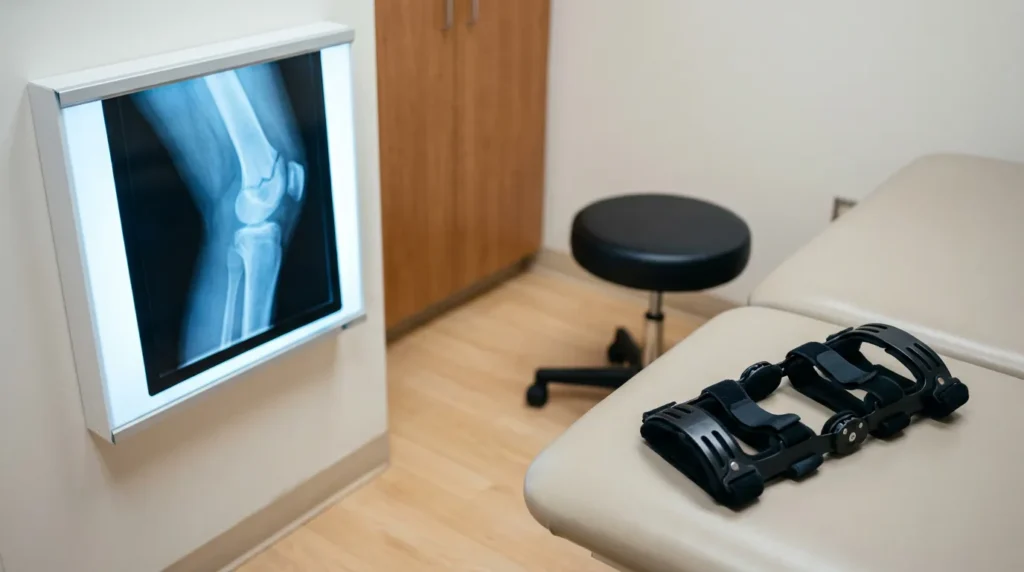
Protecting Your Knee Injury Claim After a Brevard County Crash
Key Takeaways: To document a knee fracture for a Melbourne, FL motorcycle accident claim, get medical care right away and keep a complete record that includes ER notes, X-rays, CT and MRI images, orthopedic and surgical reports, and physical therapy notes. Consistent records can help prove causation and damages, and make it harder for insurers to argue that your injury came before the crash or is exaggerated. A factual, dated injury journal can capture pain, missed work and out-of-pocket costs that medical charts may leave out. Under Fla. Stat. § 768.0427, evidence of paid past medical bills is generally limited to the amount actually paid. Under modified comparative negligence, a rider found more than 50 percent at fault generally cannot recover. If PIP or medical payments coverage applies, you may also be able to request copies of the records your insurer gathers under Fla. Stat. § 627.736(6). Florida generally allows only two years to file a negligence lawsuit for causes of action that accrued after March 24, 2023, so start gathering evidence early.
A tibial plateau fracture from a motorcycle accident can change how you walk, work and ride, and the records you collect in the first weeks after the crash can significantly affect how well your claim holds up. The tibial plateau is the top of the shinbone, where it meets the knee joint. Fractures there often need surgery, hardware and months of physical therapy. Riders generally need prompt treatment, diagnostic imaging, detailed orthopedic records, organized billing statements and a consistent injury journal.
If you or a loved one suffered a knee fracture in a crash, Norden Leacox can review your situation and help you understand your options. Call 407-801-3000 or contact us now to schedule a free consultation.
Why Documentation Matters in a Tibial Plateau Fracture Motorcycle Accident Claim
Documentation is one of the main ways to prove the negligence elements Florida law generally requires. An injured rider usually has to show that the other driver owed a duty of care, breached it, and that the breach caused the rider’s injuries and measurable damages. Without medical evidence, an insurer may argue that your knee problems existed before the crash or are less serious than you say.
Florida applies modified comparative negligence in most negligence cases, so fault disputes can affect how much you recover. Under Fla. Stat. § 768.81, as amended in 2023, a plaintiff found more than 50 percent at fault generally may not recover damages. This rule does not apply to medical negligence actions. A plaintiff at 50 percent or less fault has damages reduced in proportion to their share of fault. Strong records can help push back on attempts to shift blame onto the rider.
What Insurers Commonly Challenge
Insurance adjusters often look for gaps in treatment, inconsistent symptom reports or missing imaging. A delay of several weeks between the crash and a doctor’s visit can raise questions about causation. Complete, consistent documentation from the start may leave less room for those arguments.
Building Your Medical Evidence File Step by Step
The strongest knee fracture claims usually begin with immediate medical care and a clear diagnostic record. Our guide on what riders should do after a crash explains the first steps to take.
Core records to gather generally include:
- Emergency room and urgent care records from the day of the crash
- X-rays, CT scans and MRI imaging records with radiology reports
- Orthopedic records, including consultation notes, surgical reports and follow-up visits
- Physical therapy notes that track your range of motion and progress
- Itemized medical bills, explanation-of-benefits statements and receipts
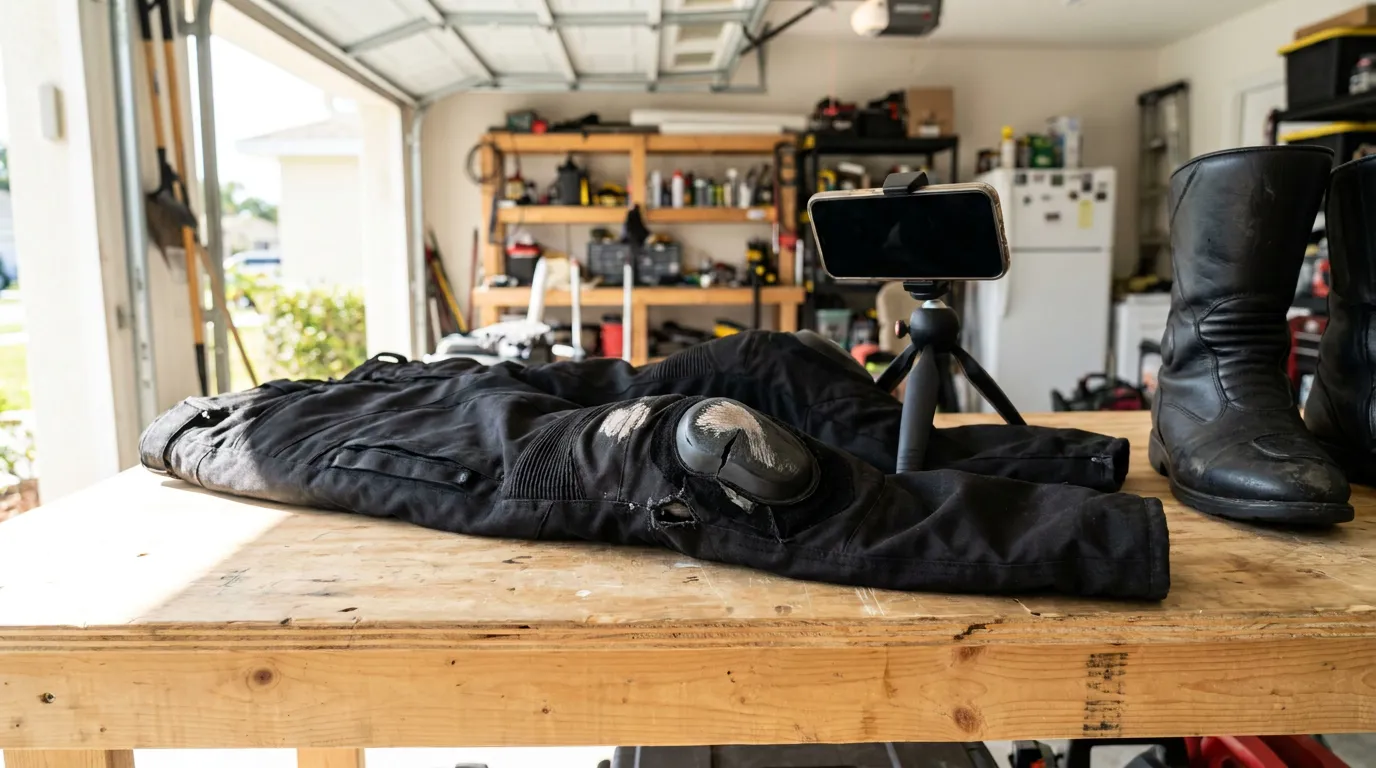
- Photographs of visible injuries, surgical scars, braces and mobility aids
Imaging Records: The Foundation of Tibial Plateau Injury Proof
Imaging often provides the most objective evidence of a tibial plateau fracture. X-rays usually confirm the break. CT scans can show how fragments have shifted, and MRI can reveal ligament or meniscus damage. Ask for both the written radiology reports and digital copies of the images.
💡 Pro Tip: Request imaging on a disc or through a patient portal download at every stage, not just the first scan. A series of images can show how the fracture healed, or failed to heal, over time.
Orthopedic Records and Physician Opinions
Your orthopedic surgeon’s records may help connect the crash to your long-term limitations. Under Fla. Stat. § 90.702, a qualified expert may give opinion testimony if it rests on sufficient facts or data, comes from reliable principles and methods, and reflects a reliable application of those methods to the case. That is why detailed physician notes grounded in imaging and clinical findings matter.
Your Right to Medical Records Under Florida Law
Florida’s personal injury protection statute may give both insurers and injured people access to treatment documentation when PIP benefits are involved. Under Fla. Stat. § 627.736(6), a physician, hospital or clinic that treated the injury may be required, at the insurer’s request, to provide a written report on the history, condition, treatment, dates and costs of care, and to allow the records to be inspected and copied. You can review the full text in Florida’s insurance statutes.
You may also be entitled to see what the insurer collects. Section 627.736(6) provides that the injured person must be given, on request, a copy of all information the insurer obtained under that section, and the insurer may charge a reasonable fee. Florida’s PIP requirement does not apply to motorcycles, so this provision may not help unless PIP coverage applies through another policy. You can also generally request your own records directly from your providers under Florida law and HIPAA.
Keeping an Injury Journal That Supports Your Claim
An injury journal records the daily effects of a knee fracture that medical charts may not capture. Write down your pain levels, sleep problems, missed work, activities you can no longer do and how you feel emotionally. Short, dated entries made regularly are generally more credible than long entries written months later.
Keep the journal factual and consistent with what you tell your doctors. Exaggerated or contradictory entries could be used to challenge your credibility.
💡 Pro Tip: Save mileage logs and parking receipts from medical visits in the journal too. These out-of-pocket costs are easy to forget and may form part of your damages.
Florida Evidence Rules That Shape Your Motorcycle Accident Evidence
Several Florida statutes may affect how crash and injury evidence is used in court. The table below summarizes them.
| Issue | Florida Statute | Practical Effect |
|---|---|---|
| Past medical bills | Fla. Stat. § 768.0427 | Evidence of paid past medical expenses is generally limited to the amount actually paid |
| Daytime headlight use | Fla. Stat. § 316.405 | Motorcycle headlights are required at all times; a violation is not negligence per se, and failure to comply between sunrise and sunset is generally not admissible as evidence of negligence in a civil action, but an outside-daytime violation may be considered if it proximately caused the crash |
| Helmet use | Fla. Stat. § 316.211 | Riders over 21 may ride without a helmet if they carry an insurance policy with at least $10,000 in medical benefits for crash injuries |
Medical Billing Records and Paid Amounts
Under Fla. Stat. § 768.0427, evidence of past medical expenses that have been paid is generally limited to the amount actually paid, regardless of who paid it. Unpaid bills, and treatment under a letter of protection, are subject to separate rules. This makes itemized bills, payment records and insurer statements especially important. Future care costs, such as a possible knee replacement, are handled under different rules within the same statute.
Scene Evidence and Equipment Issues
Equipment questions may come up in fault disputes, so scene evidence deserves attention. Under Fla. Stat. § 316.405, a motorcycle’s headlight must be on whenever it is operated on public roads, including during the day. A violation is not negligence per se, and failure to comply between sunrise and sunset (unless compliance is otherwise required by law) is not admissible as evidence of negligence in a civil action. Outside those daytime hours, a violation may be considered on the issue of negligence if it was a proximate cause of the crash. Under Fla. Stat. § 316.211, your insurance documentation may also matter if helmet use becomes an issue.
Filing Deadlines That Make Early Documentation Essential
Florida generally gives injured riders two years to file a negligence lawsuit. Fla. Stat. § 95.11(5)(a) lists "an action founded on negligence" among actions that must be commenced within two years for causes of action accruing after March 24, 2023. You can read the current text in Florida’s statute of limitations. This is separate from the notice and timing rules under Fla. Stat. § 768.28 that may apply if a government entity is involved.
The two-year period came from the 2023 amendments in HB 837, Ch. 2023-15, Laws of Florida. Before that change, the general negligence limit was four years. The shorter period generally applies to causes of action accruing after March 24, 2023, so crashes on or before that date generally fall under the older four-year rule. Confirm your crash date and which version applies.
Other Deadlines That May Apply
Different claim types can carry different time limits. A wrongful death action is also generally subject to a two-year limit under § 95.11, running from the date of death. A claim founded on a written contract, such as some insurance policy disputes, may fall under the five-year period in § 95.11(2)(b). Tolling is available only in limited circumstances listed in Fla. Stat. § 95.051, so do not assume it applies.
💡 Pro Tip: Section 95.11 sets filing deadlines but says nothing about what evidence you need. Use the deadline as a reason to start gathering records now.
Frequently Asked Questions
1. How soon should I see a doctor after a motorcycle crash knee injury?
Seeking care as soon as possible is generally best for both your health and your claim. Prompt treatment can create a record linking the injury to the crash. Delays may give insurers grounds to question causation.
2. What imaging helps prove a tibial plateau fracture?
X-rays, CT scans and MRI studies each play a role. X-rays usually confirm the fracture, and CT and MRI often show its complexity and any soft tissue damage. Keep both the reports and the images.
3. Can my medical bills be reduced in court?
Evidence of paid past medical expenses is generally limited to the amount actually paid under Fla. Stat. § 768.0427. Accurate payment records can help show your real losses.
4. Does not wearing a helmet hurt my knee fracture claim?
Helmet use may be less relevant to a knee injury than to a head injury, but it can still come up. Florida allows riders over 21 to ride without a helmet if they carry an insurance policy with at least $10,000 in medical benefits. Whether it affects comparative fault depends on whether not wearing a helmet contributed to the specific injury.
5. What if my crash happened before March 2023?
Crashes on or before March 24, 2023, generally fall under the previous four-year negligence period. Confirming the date early can help protect your rights.
Turning Records Into a Stronger Recovery
Careful documentation of a tibial plateau fracture may help make the difference between a claim an insurer disputes and one it takes seriously. Imaging, orthopedic records, billing statements and an injury journal together can help show what happened and what it cost you. A tibial plateau fracture motorcycle accident lawyer can help you organize this evidence and protect your deadline.
The team at Norden Leacox is ready to listen to your story and explain your options after a Brevard County motorcycle crash. Call 407-801-3000 or schedule your free consultation today.
Disclaimer: This content is for informational purposes only and is not legal advice. Every case is unique, and results may vary. Consult an attorney about your specific circumstances.