


[email protected] | July 30, 2026 | Personal Injury
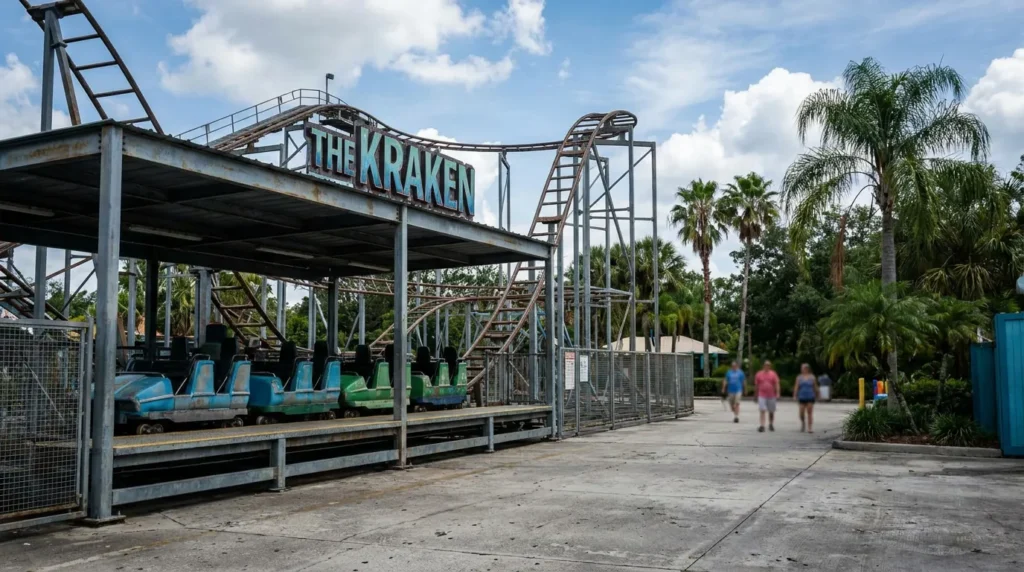
Understanding Your Rights After an Orlando Theme Park Accident
Key Takeaways: Yes, you can generally sue an Orlando amusement park after a roller coaster injury when the park’s negligence caused your harm, because Florida premises liability law holds parks accountable as commercial property owners who owe guests the highest duty of care. While Fla. Stat. § 768.395 shields roller skating rink operators from liability for roller skating’s inherent risks, that statute does not govern amusement park rides; amusement ride safety is governed primarily by Fla. Stat. § 616.242. The protection against liability for inherent risks disappears when an operator fails to maintain equipment, ignores known dangers, violates safety codes, or acts with gross negligence. To win, you must prove duty, breach, causation, and damages using evidence like maintenance records, surveillance footage, and witness statements. Florida’s modified comparative fault rule reduces recovery if you are 50 percent or less at fault and bars it entirely if you are more than 50 percent at fault. Multiple parties, such as ride manufacturers or maintenance contractors, may share liability alongside the park. The 2023 tort reform shortened the filing deadline to two years from the date of injury, making prompt action critical.
A serious injury on a roller coaster or thrill ride can leave you facing medical bills, lost income, and uncertainty about park liability. Florida law allows injured guests to pursue compensation when a theme park’s negligence causes harm, but the path is governed by specific statutes and deadlines. Understanding how premises liability applies to amusement parks helps you protect your rights and make informed decisions.
If you or a loved one was hurt at an Orlando attraction, the team at Norden Leacox is ready to listen. Call us at 407-801-3000 or use our confidential case review form to discuss your options.
Can You Sue an Amusement Park for Injuries in Florida?
Yes, you generally can sue an amusement park for injuries in Florida when the park’s negligence caused your harm. Theme parks operate as commercial property owners, and Florida premises liability law holds them accountable for unsafe conditions on their grounds. When a property owner’s failure to maintain premises results in injury, inadequate maintenance becomes a common basis for these lawsuits.
Florida statutes provide operators certain protections, but those protections have clear limits. Under Fla. Stat. § 768.395(4) and (5), a roller skating rink operator is not automatically liable for damages from the inherent risks of roller skating; subsection (5) lists specific exceptions such as failing to maintain the skating surface, failing to post required signs, failing to comply with safety codes, and failing to correct known dangerous conditions. That statute applies to roller skating rinks and does not govern amusement park rides, which are governed primarily by Fla. Stat. § 616.242. This distinction guides how Florida law treats inherent-risk defenses depending on the type of activity involved.
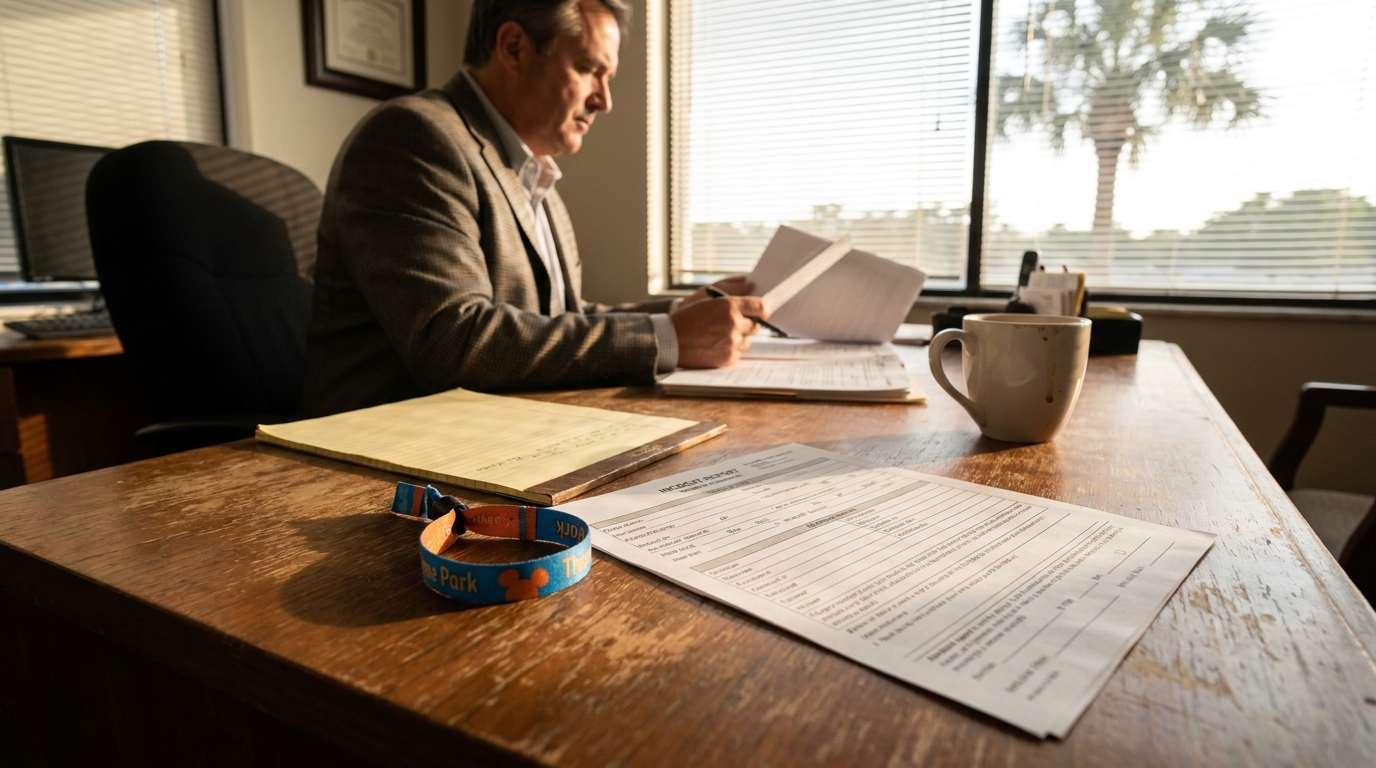
💡 Pro Tip: Request a copy of the park’s incident report before leaving the property if you are physically able. Documenting the accident immediately can preserve details that become difficult to reconstruct later.
Proving Negligence in a Roller Coaster Injury Claim
Winning an amusement park injury lawsuit requires proving the park failed in its legal responsibilities. To succeed, an injured person must prove four elements: duty, breach, causation, and damages. Each must be supported by evidence, which is why preserving proof early matters.
Duty and the Elevated Standard Owed to Park Guests
Paying guests at a theme park are considered invitees, the category owed the greatest protection under Florida law. Property owners owe invitees the highest duty of care, which includes regularly inspecting the property for hidden dangers, repairing them, and providing adequate warning of any uncorrected hazards. For an amusement park, this means routine inspection and upkeep of ride machinery is part of the legal obligation.
Breach Through Faulty Equipment or Poor Maintenance
A park breaches its duty when it allows a hazardous condition to exist or go uncorrected. Malfunctioning ride machinery is analogous to other recognized maintenance failures. Justia lists faulty equipment such as malfunctioning elevators, escalators, or automatic doors among hazardous conditions arising from poor upkeep. If a restraint, brake, or mechanical component fails due to neglected maintenance, that failure can form the heart of a roller coaster injury claim. Learn more about hazardous conditions from poor upkeep.
Causation and Damages
The injury must be connected to the park’s breach, and you must have suffered real harm. Causation links the unsafe condition directly to your injury, and damages cover losses like medical treatment, lost wages, and pain. Evidence like maintenance records, surveillance footage, and witness statements often determines whether these elements can be established.
💡 Pro Tip: Photograph the ride, your injuries, and any visible warning signs, then save your park tickets and receipts. This documentation can be central to proving both breach and damages.
How Inherent Risk and Gross Negligence Affect Your Case
Parks frequently argue that injured guests assumed the inherent risks of a thrill ride or ignored safety warnings. Under Fla. Stat. § 768.81, Florida’s comparative fault system apportions fault among all responsible persons, and parks may use this to assign blame to the guest. This defense can reduce or eliminate recovery.
Even where inherent risk arguments apply, they do not protect a park that acts with reckless disregard for safety. Florida’s roller skating statute, Fla. Stat. § 768.395(7)(a), contains such a limitation for roller skating rink operators, but that provision does not govern amusement rides; amusement ride safety is primarily addressed under Fla. Stat. § 616.242, and grossly negligent conduct by a park or its employees can still expose the operator to liability. The broader statutory framework appears throughout Florida’s chapter on tort liability.
Understanding Modified Comparative Fault
Florida follows a modified comparative fault system that directly affects your recovery. Under Fla. Stat. § 768.81(6), as amended by ch. 2023-15, a party found more than 50 percent at fault for their own harm may not recover any damages. If a guest is 50 percent or less at fault, for example by partially ignoring a posted warning, their damages are reduced by their percentage of fault rather than eliminated.
Who May Share Liability for an Orlando Ride Accident
More than one party can be responsible when a theme park injury involves outside conduct. When actions of a third party such as a contractor or ride manufacturer contribute to an injury, Florida’s comparative fault statute directs the jury to apportion fault among everyone involved. Under Fla. Stat. § 768.81, the trier of fact allocates the percentage of fault attributable to each responsible party. A separate statute, Fla. Stat. § 768.0701, similarly requires consideration of fault in negligent security actions where a third party’s criminal act causes injury on commercial property.
A single roller coaster injury claim may involve several potential defendants. Depending on the facts, a ride manufacturer that supplied defective equipment, a maintenance contractor that performed faulty repairs, or another party could share liability alongside the park. Identifying every responsible party can be significant to case value. Our article on whether you can pursue an amusement park injury lawsuit walks through common fact patterns.
Common parties who may share responsibility include:
- The amusement park operator or owner that controlled the premises and ride
- A ride manufacturer whose equipment may have been defective
- A maintenance contractor responsible for inspecting or repairing machinery
- Another guest whose conduct contributed to the incident
💡 Pro Tip: Write down names and contact information of any witnesses before leaving the park. Independent witness accounts can be persuasive when fault is disputed among multiple parties.
Florida’s Deadline to File a Theme Park Injury Lawsuit
Time is one of the most important factors in any Orlando personal injury claim. Florida Statute § 95.11 sets deadlines for civil actions, including personal injury claims from a ride accident. Under the current version, general negligence actions carry a two-year limitations period under Fla. Stat. § 95.11(4)(a), reduced from four years by the 2023 tort reform effective March 24, 2023.
Missing the filing deadline generally bars the claim entirely, making prompt action critical. An injured visitor at an Orlando amusement park generally has only two years from the accident date to file under Fla. Stat. § 95.11(4)(a). For a fatal accident, a wrongful death claim under Fla. Stat. § 95.11(4)(e) must also be brought within two years from the date of death.
While limited exceptions to deadlines exist, Florida courts interpret them narrowly. Tolling or delayed discovery does not apply automatically and may be available only in limited circumstances. Because intentional torts and certain other claims can follow different periods, confirm your deadline with a knowledgeable attorney rather than assume which period applies.
| Type of Claim | Governing Statute | General Deadline |
|---|---|---|
| Negligence personal injury | Fla. Stat. § 95.11(4)(a) | Two years from injury |
| Wrongful death | Fla. Stat. § 95.11(4)(e) | Two years from death |
If you are weighing your options, speaking with a premises liability Orlando attorney can help you understand how these deadlines apply before time runs short.
Frequently Asked Questions
-
Can you sue an amusement park for injuries in Florida if you signed a waiver?
Possibly, depending on the facts and waiver language. A waiver does not necessarily eliminate a park’s responsibility for gross negligence or for failing to comply with safety codes; Fla. Stat. § 768.395 addresses roller skating rinks, while amusement rides are governed primarily by Fla. Stat. § 616.242. Whether a waiver is enforceable is fact-dependent, so have the document reviewed.
-
What if I was partly at fault for my roller coaster injury?
You may still recover under Florida’s modified comparative fault rule. Under Fla. Stat. § 768.81(6), being 50 percent or less at fault reduces your damages by your share, while being more than 50 percent at fault bars recovery entirely.
-
How long do I have to file a theme park negligence lawsuit?
Generally two years from the accident date under Fla. Stat. § 95.11(4)(a). This period was shortened from four years by the 2023 tort reform. Because exceptions are narrow and fact-specific, confirm your deadline early.
-
Can more than one company be responsible for a ride accident?
Yes, in many cases. Under Fla. Stat. § 768.81, the fault of all contributing parties may be apportioned, which can include a ride manufacturer or maintenance contractor in addition to the park.
-
What evidence helps prove a ride injury claim?
Maintenance records, surveillance video, photographs, and witness statements are often valuable. These materials help establish breach, causation, and damages. Preserving them quickly improves the strength of an Orlando ride accident case.
Protecting Your Recovery After a Theme Park Injury
An injury at an Orlando amusement park raises difficult questions about liability, comparative fault, and deadlines. Florida law gives injured invitees meaningful protections, from the elevated duty of care owed to guests to the ability to hold parks accountable for gross negligence and poor maintenance. However, the two-year filing window and the modified comparative fault rule mean outcomes depend heavily on specific facts and prompt action.
If you were injured on a ride, you do not have to sort through these rules alone. The attorneys at Norden Leacox are prepared to evaluate your situation, explain your options, and help you move forward. Call us today at 407-801-3000 or send us a message through our secure contact page to get answers about your potential claim.
