


[email protected] | July 21, 2026 | Truck Accidents
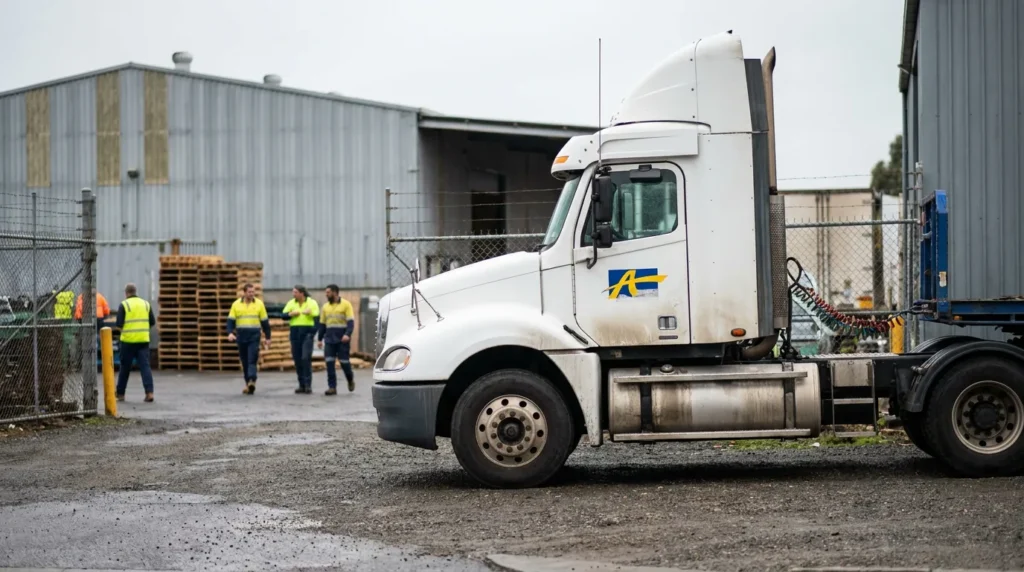
Understanding Trucking Company Accountability After a Melbourne Crash
Key Takeaways: Yes, a trucking company in Melbourne can be held liable for negligent hiring when it places a dangerous or unqualified driver behind the wheel and that decision contributes to a crash. Florida recognizes negligent hiring as a distinct claim under Chapter 768, with § 768.096 setting out background investigation steps, including FDLE criminal checks, reference verification, and license review, that create a presumption against liability for an employee’s intentional tort when properly completed. Because this presumption applies to intentional torts, negligence-based truck crash claims are evaluated under traditional negligence principles. Under § 768.81, damages are apportioned by each party’s percentage of fault, and Florida’s modified comparative negligence rule bars recovery for anyone found more than 50 percent at fault. Strict filing deadlines under § 95.11 and the risk of lost evidence make prompt action essential. A Melbourne truck accident lawyer can help preserve critical records and identify every responsible party.
Yes, a trucking company can be held liable for negligent hiring in Melbourne when it puts a dangerous or unqualified driver behind the wheel and that decision contributes to a crash. Florida law recognizes negligent hiring as a distinct claim. When a carrier fails to properly screen an applicant and hires someone who causes serious harm, the company may share responsibility for your injuries.
If you were hurt in a collision with a commercial truck, the team at Norden Leacox can help you evaluate your options. Call our office at 407-801-3000 or reach out through our online consultation request to discuss your situation.
💡 Pro Tip: Negligent hiring focuses on what the company knew or should have known before hiring. Preserving the driver’s application and hiring file early can make or break this part of your case.
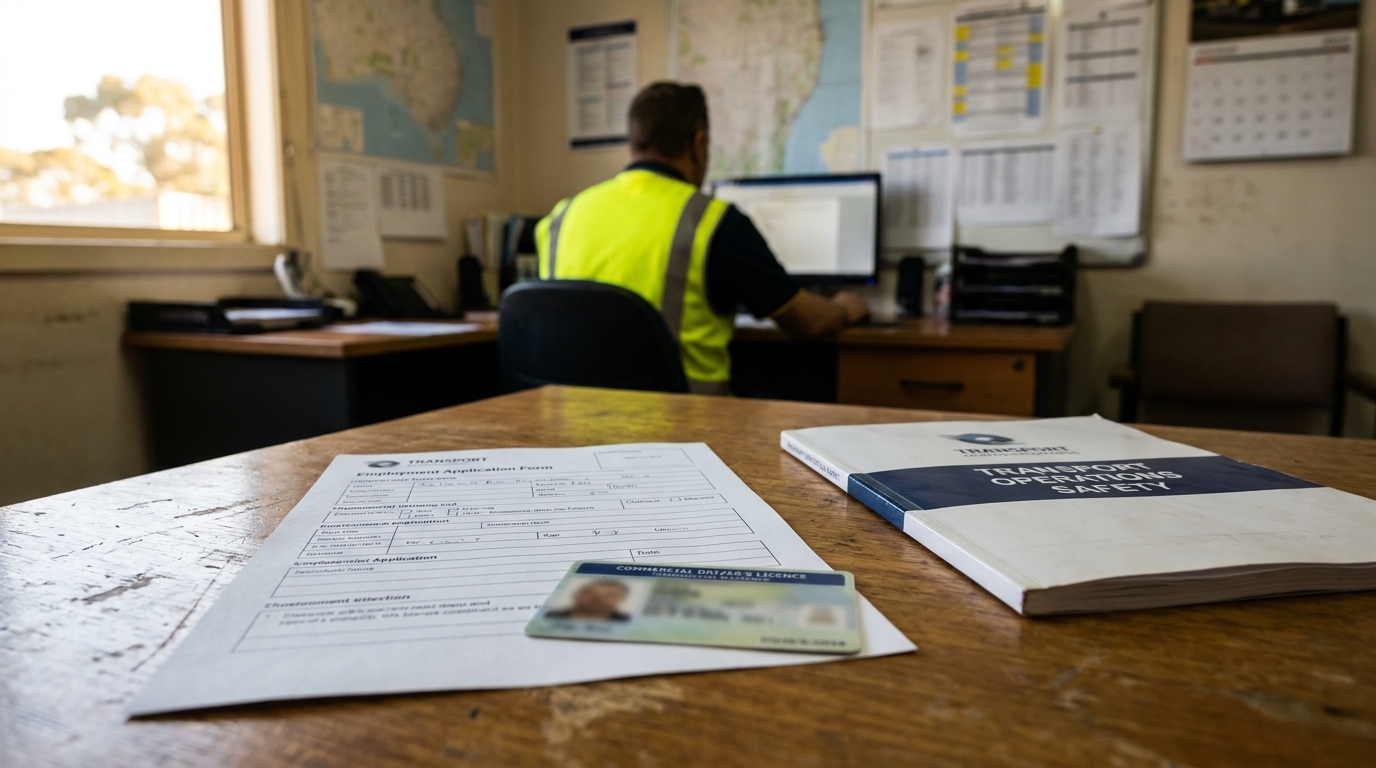
What Negligent Hiring Means Under Florida Law
Negligent hiring is a recognized cause of action in Florida that holds an employer accountable for placing an unfit employee in a position that creates foreseeable risk to others. Florida tort law is largely codified in Chapter 768, Title XLV, which provides the framework for negligence-based claims.
The core question is whether the employer used reasonable care before hiring. Under Fla. Stat. § 768.096, an employer is presumed not to have been negligent in hiring an employee, with respect to that employee’s intentional tort, if it conducted a background investigation that did not reveal information demonstrating unsuitability. You can review the full statutory chapter through the Florida negligence statutes. Because this presumption is tied to intentional conduct, many crash-based negligent hiring claims are analyzed under common-law negligence standards, where a carrier’s failure to vet a driver can be proven directly.
The Background Investigation Steps That Matter
Florida’s presumption against negligent hiring depends on specific pre-hire screening steps. Under § 768.096, a proper background investigation generally includes:
- A criminal background check through the Florida Department of Law Enforcement (FDLE)
- Contacting the applicant’s references and former employers
- Requiring a job application that discloses prior criminal convictions and civil intentional tort actions
- Obtaining the driver’s license record, with written authorization, when relevant to the job
- Conducting an interview of the applicant
The criminal check carries particular weight when the statutory presumption is at issue. Under § 768.096(2), an employer must request and obtain a check through FDLE to qualify for the presumption. For trucking companies hiring commercial drivers, thorough screening, including federal motor carrier qualification requirements, can be a meaningful factor in evaluating employer liability.
How the Presumption Cuts Both Ways for Trucking Companies
The statutory presumption is a shield for carriers that follow the rules and a potential vulnerability for those that do not. Under § 768.096(1), a company that completes a thorough background investigation gains a presumption against negligent hiring liability for an employee’s intentional tort. A properly documented truck driver background check can serve as part of a carrier’s defense.
The law does not automatically punish a company that chooses not to investigate. Under § 768.096(3), an employer’s election not to conduct the investigation does not, by itself, raise a presumption of negligence. You may still pursue a negligent hiring claim by proving negligence through available evidence. The absence of a presumption means the claim is decided under traditional negligence principles.
💡 Pro Tip: A carrier that did "some" screening but skipped a required step may not qualify for the full presumption. The hiring file details often determine how strong your negligent hiring argument will be.
Proving Liability: Duty, Breach, Causation, and Damages
Like any negligence case, a negligent hiring claim requires proof of duty, breach, causation, and damages. A trucking company owes a duty to use reasonable care when hiring drivers who will operate heavy commercial vehicles. Establishing commercial truck negligence in Florida means showing the carrier breached that duty and that the breach proximately caused your harm.
The definition of a negligence action is broad enough to capture employer-based theories. Under Fla. Stat. § 768.81, a "negligence action" includes civil actions for damages based on negligence "and like theories," which courts have applied to negligent hiring, retention, and supervision claims. Because trucking cases often involve multiple responsible parties, identifying every potentially liable entity early is essential. Our discussion of who can be held liable in a truck accident case offers helpful background.
Multiple Parties May Share Responsibility
A single truck crash can involve the driver, the carrier, a cargo loader, a maintenance contractor, or a parts manufacturer. In negligence actions, Florida apportions damages by each party’s percentage of fault. Under § 768.81(3), a court enters judgment based on each party’s percentage of fault.
This apportionment framework can work for or against an injured plaintiff. A carrier’s defense team may try to shift blame to other entities to reduce its own share. A thorough investigation that documents each party’s role helps ensure responsibility is placed where it belongs. Many injured motorists benefit from working with a Melbourne personal injury and truck accident lawyer who can identify and pursue all viable defendants.
Why Florida’s Comparative Fault Rule Demands Attention
Florida’s modified comparative negligence standard can dramatically affect your recovery. Since March 24, 2023, when HB 837 took effect, the state follows a modified comparative negligence rule. Under Fla. Stat. § 768.81(6), any party found greater than 50 percent at fault for their own harm may not recover damages. You can read the current text through the Florida comparative fault statute.
Defense attorneys often try to shift blame onto the victim. If a court finds you bear more than half the fault, you could be barred from recovery. For fault at or below that threshold, § 768.81(2) provides that contributory fault diminishes the award proportionately but does not bar recovery. Building a record that clearly establishes the trucking company’s conduct is central to protecting your claim.
💡 Pro Tip: Avoid giving recorded statements to an insurer before speaking with counsel. Casual comments can later be used to argue you share fault under comparative negligence.
Acting Before the Filing Deadline Closes
Florida sets statutory deadlines for filing civil claims, and missing them can bar your case entirely. Fla. Stat. § 95.11 governs the time limits for civil actions, including negligence-based claims against carriers. For negligence causes of action accruing after March 24, 2023, the limitations period is generally two years.
Courts interpret exceptions to these deadlines narrowly. Tolling or delayed-discovery arguments may apply only in limited circumstances and are never guaranteed. Because these issues are fact-sensitive, acting promptly preserves both your evidence and legal options.
💡 Pro Tip: Key evidence such as the driver’s logbooks, ELD data, maintenance records, and hiring file can be lost or overwritten quickly. Sending a preservation letter early helps protect this material.
When to Call a Melbourne Truck Accident Lawyer
Reaching out to a Melbourne truck accident lawyer early gives you the best opportunity to preserve evidence and identify every responsible party. Negligent hiring cases turn on records that carriers control, such as applications, background check results, and reference checks. These documents are easier to obtain when you act quickly.
A capable Melbourne/FL truck crash attorney can help you navigate comparative fault rules and statutory deadlines that shape your recovery. Trucking litigation often involves aggressive insurers and multiple defendants. Outcomes depend on the specific facts of your collision, so individualized guidance matters.
| Claim Element | What a Victim Generally Must Show |
|---|---|
| Duty | Carrier owed a duty to hire reasonably |
| Breach | Inadequate or skipped background investigation |
| Causation | Hiring decision contributed to the crash |
| Damages | Documented injuries and financial losses |
Frequently Asked Questions
-
Can I sue the trucking company instead of just the driver?
In many cases, yes. A negligent hiring claim targets the carrier’s own conduct in choosing to employ an unfit driver. Under § 768.81, negligence actions include such employer-based theories, and multiple parties may share fault.
-
What if the company did some background checking but not all of it?
Partial screening may not be enough to earn the full statutory presumption. Under § 768.096, the presumption depends on a complete investigation. Skipping a required step means the carrier loses that presumption and the claim is decided under traditional negligence principles.
-
How does Florida’s comparative fault rule affect my recovery?
It can reduce or eliminate your damages depending on your share of fault. Under § 768.81(6), a party more than 50 percent at fault recovers nothing, while § 768.81(2) reduces awards proportionately below that threshold.
-
How long do I have to file a truck accident claim in Florida?
Fla. Stat. § 95.11 generally provides a two-year period for negligence claims accruing after March 24, 2023. Because exceptions are interpreted narrowly, consult counsel promptly to protect your rights.
-
Does workers’ compensation affect a truck accident claim?
It depends on who you are. Under Fla. Stat. § 440.11(1), workers’ compensation is typically the exclusive remedy for an injured employee against their own employer, but an injured third-party motorist’s negligent hiring claim against a carrier is separate.
Protecting Your Rights After a Commercial Truck Collision
Holding a carrier accountable for negligent hiring is possible in Melbourne when the evidence shows the company failed to reasonably vet a dangerous driver. Florida’s negligence framework under Chapter 768, the screening requirements of § 768.096, the comparative fault rule in § 768.81, and the filing deadlines in § 95.11 all shape how these claims unfold. Because each case is fact-dependent, careful investigation and timely action are essential.
If a commercial truck crash has upended your life, do not wait to protect your claim. Contact the attorneys at Norden Leacox Accident & Injury Law today by calling 407-801-3000 or by submitting a free case review request so we can review your circumstances and explain your legal options.
