

[email protected] | June 17, 2026 | Truck Accidents
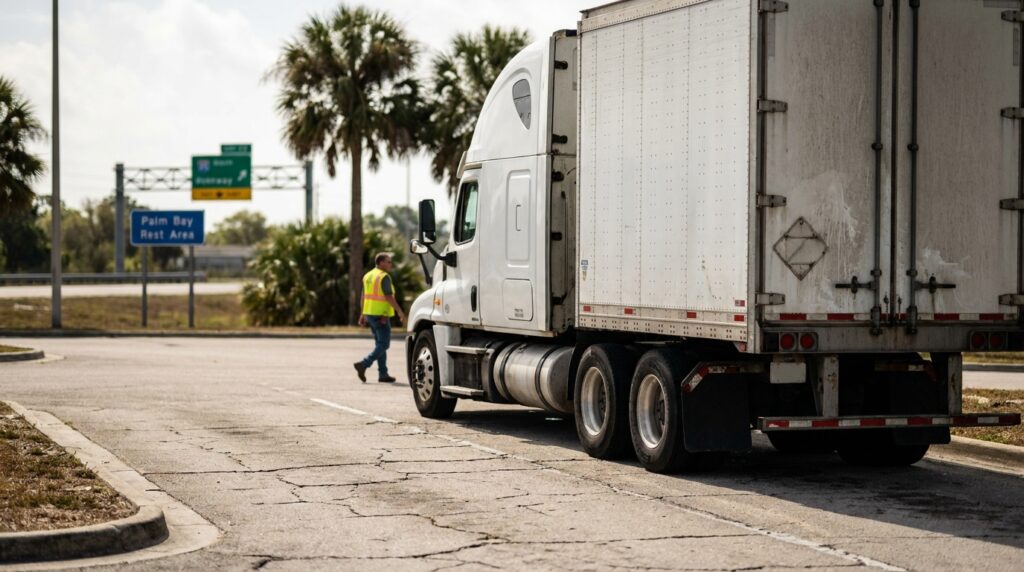
Key Takeaways: Vicarious liability allows injured victims to hold trucking companies responsible for driver negligence when the driver was acting within the scope of employment. Florida’s dangerous instrumentality doctrine and respondeat superior are two key theories supporting these claims. A truck accident attorney in Palm Bay can help identify liable parties, preserve critical evidence, and pursue full compensation. Understanding these doctrines is essential for anyone injured in a commercial truck crash in Palm Bay, FL.
If a commercial truck driver causes a crash while working, Florida law may allow you to pursue a claim against both the driver and the trucking company. This legal concept, known as vicarious liability, is one of the most important tools available to injured victims in truck accident cases. Under vicarious liability, an employer can be held financially responsible for an employee’s negligent acts when those acts occurred within the scope of employment.
If you or a loved one suffered injuries in a commercial truck collision, Norden Leacox can help you understand your legal options. Call 407-801-3000 or reach out to our team today to discuss your case.
How Respondeat Superior Applies to Truck Accident Attorney in Palm Bay Cases
Respondeat superior is a foundational legal doctrine that holds an employer legally responsible for the wrongful acts of an employee when those acts occur within the scope of employment. In a Palm Bay truck accident, this means if a truck driver negligently causes a collision while performing job duties, the trucking company may be held liable for resulting damages. Under Florida common law, an employee acts within the scope of employment when performing duties assigned by the employer or acting in furtherance of the employer’s business.
This doctrine exists because employers exercise control over how, when, and where their drivers operate. The Florida Supreme Court in Mercury Motors Express, Inc. v. Smith, 393 So. 2d 545 (Fla. 1981), reaffirmed that employers are vicariously liable for compensatory damages caused by employees acting within the scope of employment. For injured plaintiffs, this means you may pursue compensation from a party with far greater resources than an individual driver.
💡 Pro Tip: Document the trucking company name, truck’s DOT number, and fleet markings at the accident scene. This information helps your attorney quickly identify the employer and establish the employment relationship needed for a vicarious liability claim.
Respondeat Superior vs. Direct Negligence
These two theories serve different purposes in a truck crash case. Respondeat superior imposes liability on the employer based on the employment relationship and scope of duties. Direct negligence targets the trucking company’s own failures, such as negligent hiring, inadequate training, or poor vehicle maintenance. Both theories can be pursued simultaneously, and a truck accident lawyer in Florida can evaluate which claims best fit your situation.
When Does an Employee Act "Within the Scope" of Employment?
Florida courts look at whether the driver was performing assigned duties or furthering the employer’s business at the time of the crash. A driver hauling cargo on a delivery route would generally be considered within scope, while a driver using the truck for a personal errand may not be.
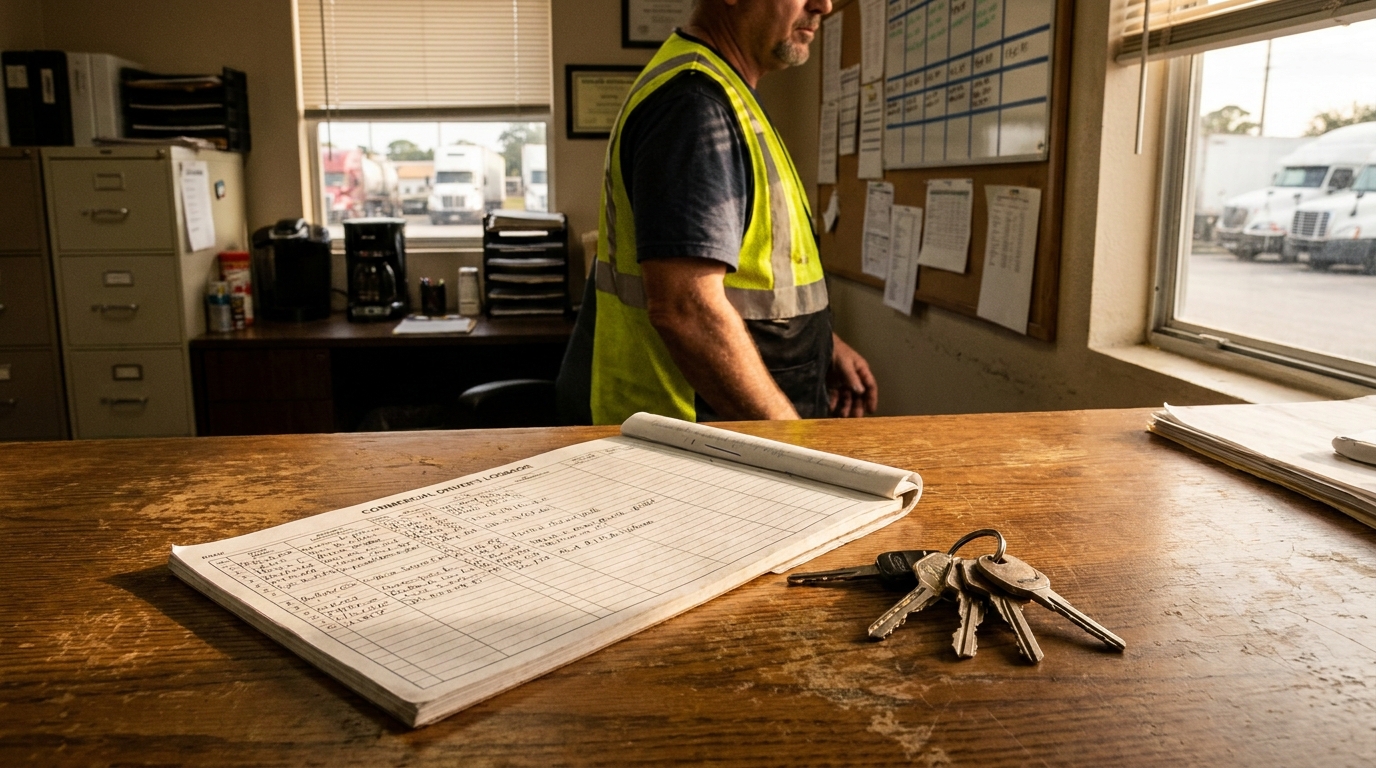
Florida’s Dangerous Instrumentality Doctrine and Trucking Company Liability
Florida recognizes a unique legal doctrine that makes vehicle owners vicariously liable for injuries caused by the negligent operation of their vehicles. Known as the dangerous instrumentality doctrine, this rule was established in Southern Cotton Oil Co. v. Anderson, 80 Fla. 441, 86 So. 629 (Fla. 1920), which held that owners may be held accountable for damages suffered by third parties as a result of negligent operation of their vehicles when driven by others with their knowledge and consent.
For truck crash legal claims in Palm Bay, this doctrine is particularly powerful. Even without proving direct fault on the trucking company’s part, the company’s ownership of the truck can establish liability if the driver operated the vehicle with the company’s consent. However, control over the vehicle remains the key factor. In Palmer v. R.S. Evans, Florida courts clarified that bare legal title without actual control is generally insufficient to trigger the doctrine.
💡 Pro Tip: In leasing arrangements where multiple companies are involved, identifying who had actual control over the truck and driver at the time of the crash is critical. Request copies of lease agreements, dispatch records, and driver assignment logs early in the process.
How Joint and Several Liability Affects Your Recovery
When respondeat superior applies, the employer’s liability is derivative of the employee’s negligence, meaning the driver and trucking company share liability for the same harm. This allows an injured plaintiff to recover damages from either or both parties, enabling victims to seek compensation from the trucking company’s larger insurance policies.
However, Florida’s modified comparative fault rule under FL § 768.81(6) adds an important limitation. If the injured party is found to be greater than 50 percent at fault for their own harm, they may not recover any damages. The court will apportion fault among all responsible parties, and your percentage of fault directly impacts your right to recover.
| Liability Theory | Who Is Liable | What Must Be Proven |
|---|---|---|
| Respondeat Superior | Employer (trucking company) | Driver acted within scope of employment |
| Dangerous Instrumentality | Vehicle owner | Owner consented to driver’s use of vehicle |
| Direct Negligence | Trucking company | Company’s own failures (hiring, maintenance, training) |
| Negligent Hiring | Motor carrier | Carrier failed to properly vet or supervise the driver |
💡 Pro Tip: Florida’s comparative fault rule makes it essential to preserve all evidence that supports the truck driver’s and trucking company’s negligence. Dashcam footage, ELD data, and maintenance records can all help minimize fault attributed to you.
Federal Safety Violations as Evidence of Employer Liability in a Truck Crash
Trucking companies operating on Palm Bay roads must comply with federal motor carrier safety regulations, and violations can serve as powerful evidence in your case. Under FL § 316.302(1)(a), all owners and drivers of commercial motor vehicles that are operated on the public highways of Florida while engaged in interstate commerce are subject to the rules and regulations contained in 49 C.F.R. parts 382-386 and 390-397. Owners and drivers engaged in intrastate commerce are separately covered under FL § 316.302(1)(b), which adopts the same CFR parts as they existed on December 31, 2023. These regulations govern hours of service, drug and alcohol testing, vehicle maintenance, and driver qualifications.
When a trucking company or driver violates these federal standards, that violation can strengthen a vicarious liability or direct negligence claim. Under FL § 316.3026(1), the Office of Commercial Vehicle Enforcement may issue out-of-service orders to motor carriers that have violated safety regulations. Evidence that a company received prior citations or operated in violation of these rules demonstrates a pattern of disregarding legal obligations.
💡 Pro Tip: Federal regulations require trucking companies to retain certain records, including driver logs, inspection reports, and maintenance files, for specific periods. Acting quickly to send a spoliation letter through your attorney can help prevent the destruction of this critical evidence.
Negligent Hiring and the Dangerous Instrumentality Overlap
In some cases, a negligent hiring claim may overlap with vicarious liability theories. The Florida Second District Court of Appeal in Clooney v. Geeting, 352 So. 2d 1216 (Fla. 2d DCA 1977), found that the negligent hiring theory imposed no greater liability upon the motor carrier than its existing vicarious liability under the dangerous instrumentality doctrine. For more on who can be held liable in a truck accident, it helps to review how Florida courts analyze these overlapping doctrines.
Control Over the Vehicle: The Key Factor in Complex Trucking Arrangements
Modern trucking often involves layered business relationships, including leased trucks, contracted drivers, and brokered loads. In these situations, the critical determination for imposing vicarious liability is identifying the responsible party who had actual control over the vehicle at the time of the crash. A company that merely held bare legal title as a financing arrangement may not be subject to vicarious liability under the dangerous instrumentality doctrine.
💡 Pro Tip: If the truck involved in your crash displayed logos or markings from multiple companies, take photos. These details can help your attorney trace the chain of control and identify all potentially liable parties.
Frequently Asked Questions
1. Can I sue the trucking company if the driver caused my accident in Palm Bay?
In many cases, yes. Under respondeat superior and dangerous instrumentality, the trucking company may be held vicariously liable if the driver was acting within the scope of employment or operating the company’s vehicle with consent.
2. What is the difference between vicarious liability and direct negligence in a truck crash case?
Vicarious liability holds the trucking company responsible based on its relationship to the driver, while direct negligence targets the company’s own wrongful conduct, such as failing to maintain vehicles or hiring unqualified drivers. Both claims can be pursued in the same lawsuit.
3. Does Florida’s comparative fault rule affect my truck accident claim?
Yes. Under FL § 768.81(6), if you are found more than 50 percent at fault for the accident, you may be barred from recovering any damages. Even if fault is shared, your percentage of fault will reduce your total recovery.
4. What evidence helps prove a trucking company is vicariously liable?
Key evidence includes employment records, dispatch logs, ELD and EDR data, vehicle maintenance files, the driver’s qualification file, and any prior safety violations or out-of-service orders issued against the company.
5. How do leasing arrangements affect liability in a truck accident case?
When trucks or drivers are leased between companies, courts look at which entity had actual control over the vehicle and driver at the time of the collision. Bare legal ownership without operational control may not be sufficient to impose vicarious liability.
Protecting Your Rights After a Palm Bay Truck Crash
Vicarious liability is a critical legal tool for holding trucking companies accountable when their drivers cause serious harm on Palm Bay roads. Whether your claim involves respondeat superior, the dangerous instrumentality doctrine, or evidence of federal safety violations, understanding these legal theories can help you pursue the full compensation you deserve.
If you were injured in a truck collision and need guidance on your next steps, Norden Leacox is ready to help. Call 407-801-3000 or contact us today to schedule a consultation with a truck accident attorney in Palm Bay who can evaluate your claim and fight for your recovery.
