


Norden Leacox Accident & Injury Law | July 15, 2026 | Personal Injury
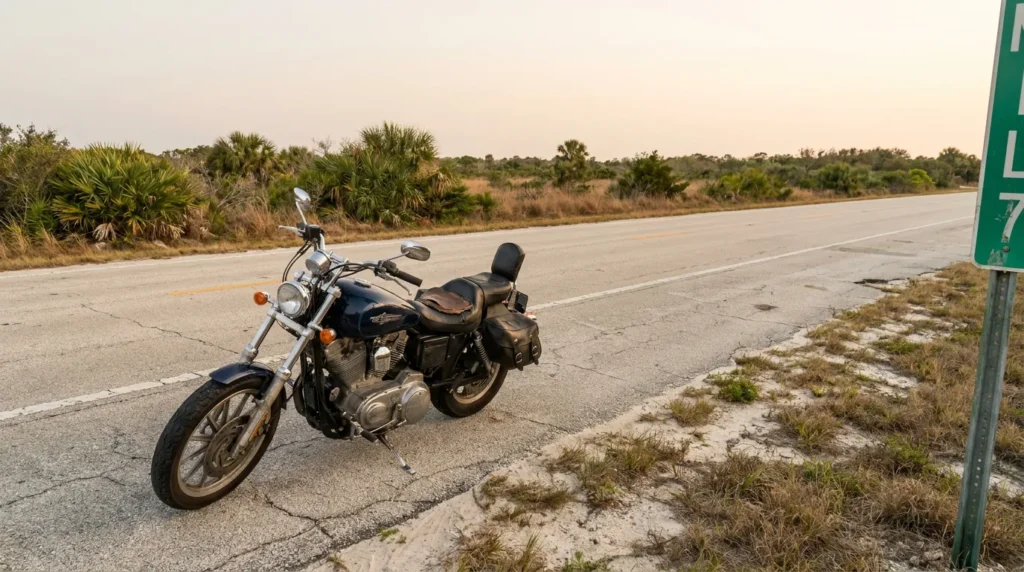
Understanding the Real Dangers Facing Riders on Brevard County Roads
Key Takeaways: Brevard County carries elevated risk for motorcyclists, driven by high-traffic corridors like US-1 and A1A, heavy tourist travel, and dangerous driving patterns. Florida records over 100,000 hit-and-run crashes annually, with motorcyclists ranking among the most severely injured victims. Head trauma dominates injury patterns. Florida’s conditional helmet law leaves many insured adult riders unprotected, while eye protection remains mandatory. Available data suggests riders here face conditions increasing both collision frequency and severity. Injured riders must prove negligence and may see recovery reduced under Florida’s modified comparative negligence rules, making thorough documentation essential.
Brevard County carries an elevated risk profile for motorcyclists, and the data behind that reputation deserves a close look. Riders along the Space Coast face high-traffic corridors, frequent tourist travel, and statewide dangerous driving patterns that raise the odds of serious crashes. While no single county can be definitively labeled most dangerous, available figures suggest motorcyclists here encounter conditions that often increase both collision frequency and severity. Understanding these realities helps riders make safer choices and protect their legal rights.
If you or a loved one was hurt in a crash, the team at Norden Leacox is ready to listen. Call our office at 407-801-3000 for a free consultation, or reach out through our online contact page to discuss your situation today.
What the Brevard County Motorcycle Accident Statistics Actually Show
The Brevard County motorcycle accident statistics paint a picture of vulnerable riders sharing roads with high vehicle volume. County-level figures are built on mandatory crash reporting, meaning most serious incidents become part of the official record. Under Florida law, drivers involved in crashes resulting in injury, death, or property damage exceeding $500 must immediately report to local police or Florida Highway Patrol. This requirement, found in Fla. Stat. § 316.065(1), makes reliable local crash data possible.
💡 Pro Tip: Save photos of your motorcycle, your gear, and the crash scene immediately after an accident. Visual evidence often becomes central to proving how a collision happened.
Statewide context explains why riders in this region face heightened exposure. Florida sees staggering numbers of drivers leave collision scenes each year, directly affecting vulnerable road users. According to the Florida Highway Safety and Motor Vehicles agency, in 2023, there were 104,273 hit-and-run crashes in Florida. Combined with motorcyclists’ exposure, the danger becomes clear.
Motorcyclists represent a disproportionate share of the most severely injured crash victims. Trauma research shows riders frequently end up in critical condition after collisions. One study of motor-vehicle-trauma patients found the most severely injured groups were pedestrians at nearly 47 percent, followed by motorcycle drivers at roughly 25 percent. For deeper analysis of local fatality figures, our discussion of high-risk motorcycle county Florida trends offers additional perspective.
How Local Roads and Riding Conditions Add Risk
Brevard County’s busiest corridors place riders in frequent contact with congested, fast-moving traffic. Routes like US-1 and A1A carry steady streams of commuters, tourists, and commercial vehicles, leaving little margin for error. A single inattentive driver can cause catastrophic harm to an exposed rider. Because motorcyclists lack protective shells, even low-speed impacts can produce life-altering injuries.
💡 Pro Tip: Whenever possible, plan rides to avoid dawn and dusk on high-traffic roads. Reduced visibility during these hours is a documented factor in many of Florida’s most serious crashes.
Florida’s Helmet and Eye-Protection Laws and Why They Matter
Florida’s helmet rules create a conditional exemption leaving many adult riders unprotected. The default rule requires protective headgear, but the statute exempts older insured riders. Specifically, Fla. Stat. § 316.211(1) and (3)(b) provide that riders over 21 may legally ride without helmets if covered by insurance policies providing at least $10,000 in medical benefits. This means significant numbers of adult riders on Space Coast roads may travel without head protection, dramatically worsening crash injuries.
Eye protection, by contrast, is required of all operators regardless of age or insurance. Florida extends no comparable exemption for eyewear. Under Fla. Stat. § 316.211(2), motorcyclists must wear approved eye-protective devices. Non-compliance on fast corridors compounds dangerous situations and may become relevant when insurers evaluate rider conduct.
The Severity of Motorcycle Injuries
Head trauma dominates injury patterns in serious motorcycle collisions. Medical findings consistently show riders suffer among the most severe crash outcomes. In trauma data, the head most often carried the highest injury severity score, the median Injury Severity Score reached 20, and skull fractures were most prevalent, followed by hemorrhages. Review the underlying motorcycle trauma research for fuller clinical details.
Demographic data shows where risk concentrates. Men make up the overwhelming majority of motorcycle trauma cases. Studies report a male-to-female ratio for motorcyclists of nearly 12 to 1, far higher than ratios for vehicle occupants or pedestrians.
💡 Pro Tip: Keep records of your medical treatment from the very first emergency visit forward. A continuous treatment history strengthens the link between the crash and your injuries.
The Hit-and-Run Problem and Its Toll on Riders
Hit-and-run crashes are persistent and deadly features of Florida roads. Roughly a quarter of all state collisions involve fleeing drivers, and that figure stays stubbornly consistent. The state agency reports nearly 25 percent of all crashes involve hit-and-runs. For motorcyclists facing higher injury severity, a fleeing driver means both physical harm and complicated recovery paths.
These crashes carry heavy human costs, with vulnerable road users bearing the brunt. The fatality numbers are sobering. Hit-and-run crashes in 2023 resulted in 271 fatalities and 871 serious bodily injuries. Vulnerable road users are particularly at risk: of the 271 hit-and-run fatalities in 2023, 159 were pedestrians and 47 were bicyclists (76% of hit-and-run fatalities).
Timing matters because low-light conditions account for most fatal hit-and-runs. In 2023 alone over 81% of hit-and-run fatalities occurred during dawn, dusk, or nighttime conditions. Explore the state’s Florida hit-and-run data to understand these patterns. The Aaron Cohen Life Protection Act imposes a mandatory minimum of four years for drivers convicted of leaving fatal crash scenes.
Key safety considerations for riders include:
- Increasing visibility with reflective gear and proper lighting, especially near dawn and dusk
- Maintaining medical benefits coverage that meets or exceeds statutory minimums
- Documenting every detail after a crash, since hit-and-run cases often depend on witness accounts and physical evidence
Protecting Your Legal Rights After a Brevard County Crash
A motorcycle injury claim in Florida generally rests on proving negligence. To recover compensation, injured riders typically must establish four elements: the other driver owed a duty of care, breached that duty, caused the crash, and produced measurable damages. These principles apply across most personal injury matters, though specific facts determine outcomes. Working with an experienced Orlando motorcycle accident lawyer helps injured riders gather necessary evidence.
Florida’s comparative negligence framework can affect recovery amounts. Under the state’s modified comparative negligence rules adopted in 2023, a plaintiff’s recovery is reduced by their fault share, and plaintiffs found more than 50 percent at fault are barred from recovery. Because insurers often argue riders contributed to crashes, careful documentation and medical evidence become especially important.
Riders should also know about protections against unwanted post-crash solicitation. Florida law shields accident victims from aggressive outreach. Under Fla. Stat. § 817.234(8)(b), persons may not solicit business from accident victims for tort or personal injury protection claims within 60 days after crashes. Injured motorcyclists should proactively seek reputable counsel rather than responding to unsolicited contact.
💡 Pro Tip: Be cautious about giving a recorded statement to an insurance adjuster before speaking with a lawyer. Early statements can be used to dispute liability later.
Frequently Asked Questions
-
Is Brevard County genuinely more dangerous for motorcyclists than other Florida counties?
Brevard County shows risk factors that often elevate danger for riders. High-traffic corridors, frequent tourist travel, and statewide hit-and-run patterns all contribute. Whether any county is single most dangerous depends on measurement methods, so view figures as part of a broader safety picture.
-
How long do I have to file a motorcycle accident claim in Florida?
Florida sets general deadlines for personal injury lawsuits, but exceptions exist. The civil statute of limitations governed by Fla. Stat. § 95.11 is two years for most negligence claims accruing on or after March 24, 2023, and certain circumstances may toll that period. Because rules are fact-sensitive, riders should confirm specific deadlines immediately.
-
Does not wearing a helmet hurt my injury claim?
Riding without a helmet doesn’t automatically bar recovery but may become contested. Florida’s conditional exemption allows some adult riders to go without headgear, yet insurers may argue helmet absence worsened injuries. Effects depend on facts and comparative negligence analysis.
-
What should I do if the driver who hit me fled the scene?
Report the crash immediately and preserve all available evidence. Hit-and-run cases often rely on witness statements, camera footage, and physical debris. Your uninsured motorist coverage may also provide compensation when fleeing drivers cannot be identified.
-
Why does Florida invest in motorcycle safety programs?
The state funds programs because it recognizes unique rider risks. Florida requires safety education and collects registration fees dedicated to reducing motorcycle injuries and deaths, reflecting official acknowledgment that motorcyclists are among the most vulnerable travelers.
Bringing the Risk Picture Into Focus
Taken together, data and law confirm Brevard County is a challenging environment for motorcyclists. High-volume roads, persistent hit-and-run problems, severe injury patterns, and conditional helmet rules combine to raise stakes for riders. While figures cannot predict individual outcomes, they make strong cases for caution, proper coverage, and clear understanding of legal rights. Informed riders are better positioned to protect themselves and respond effectively if crashes occur.
If you were injured, you don’t have to navigate the aftermath alone. The attorneys at Norden Leacox are prepared to evaluate your case and explain your options. Call us at 407-801-3000 or visit our secure contact form to schedule your free consultation and take the first step toward protecting your recovery.
