

[email protected] | July 2, 2026 | Car Accidents
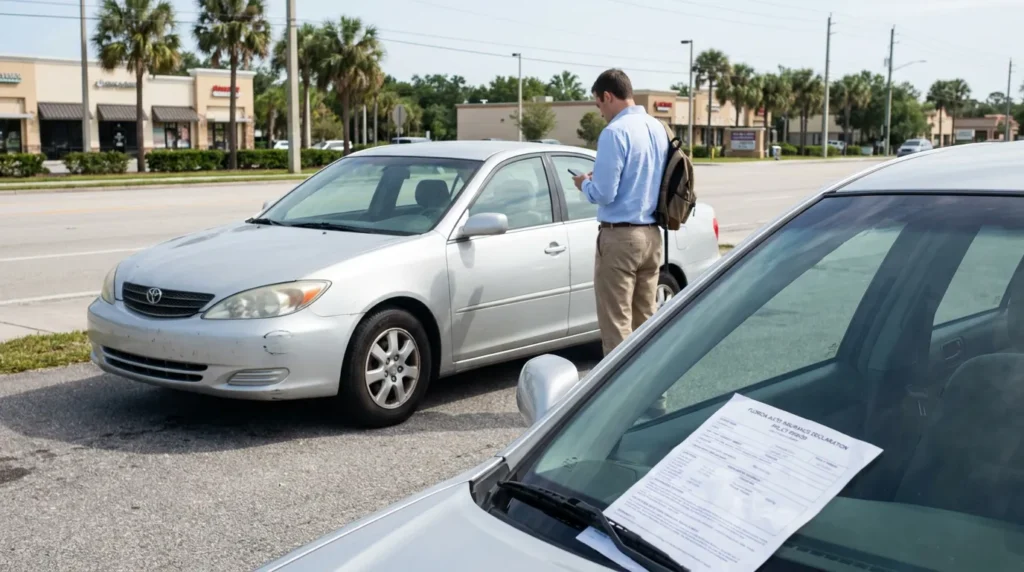
Understanding What Drives the Value of Your Orlando Crash Claim
Key Takeaways: No single figure defines what an Orlando car accident claim is worth in 2026, because value depends on injury severity, fault clarity, available insurance, and Florida’s evolving statutes. Florida’s no-fault system means your PIP coverage of at least $10,000 responds first, but you can pursue full damages only when injuries meet the serious injury threshold. Recoverable compensation includes economic and non-economic damages, though a 2023 cap limits medical recovery to amounts actually paid or owed rather than billed totals. Florida’s modified comparative fault rule reduces awards by your share of blame and bars recovery entirely if you exceed 50% fault. Special caps apply to government-vehicle claims, and strict deadlines, generally two years, can erase a claim’s value if missed. Strong documentation, preserved evidence, and timely action determine whether you capture full compensation.
No single number defines what an Orlando car accident claim is worth, because value depends on injury severity, fault clarity, available insurance, and specific Florida laws that apply in 2026. A minor fender-bender resolved through Personal Injury Protection looks very different from a catastrophic-injury or wrongful death case. Understanding the legal framework helps you set realistic expectations and protect your right to full compensation.
If you are weighing your options after a collision, the team at Norden Leacox is ready to help. Call us at 407-801-3000 or reach out through our online case review form to discuss your situation.
How Florida’s No-Fault System Shapes Your Starting Point
Florida is a no-fault insurance state, which means your own coverage typically responds first regardless of who caused the crash. Florida requires registered motor vehicle owners to carry Personal Injury Protection with a minimum benefit of $10,000. Under Fla. Stat. § 627.736, this PIP coverage pays 80% of necessary medical expenses and 60% of lost wages up to that limit.
Insurers also carry notice obligations that protect injured drivers. Under Fla. Stat. § 627.7401, your PIP insurer must mail notice of your benefit rights within 21 days after receiving notice of an accident or claim. That notice must explain covered medical services, disability benefits, death benefits, significant exclusions, payment timing, and how PIP coordinates with other coverage. Understanding these benefits is essential to accurately evaluating your total Orlando car accident value.
💡 Pro Tip: Request a written copy of your PIP benefits notice early. It clarifies what your policy covers and helps avoid surprise gaps when bills arrive.
When You Can Step Outside No-Fault for Full Damages
Florida’s PIP system limits when an injured person can sue an at-fault driver for pain and suffering or other non-economic damages. Under Fla. Stat. § 627.737(2), you may recover non-economic damages only if your injury consists of significant and permanent loss of an important bodily function, permanent injury within a reasonable degree of medical probability, significant and permanent scarring or disfigurement, or death. Your claim’s value is substantially shaped by whether your injuries meet this serious injury threshold, though economic damages exceeding your PIP limits can generally be pursued against the at-fault driver.
Meeting that threshold often unlocks the most significant portion of a claim. Once you can step outside the no-fault framework, you may pursue compensation that PIP does not cover, including pain and suffering. This is frequently where the difference between a modest payout and substantial Orlando crash settlement emerges. Because the threshold analysis is fact-sensitive and statutory terms are not precisely defined, outcomes depend heavily on medical documentation and injury nature.
Categories of Compensation That Determine Claim Value
Personal injury damages in Florida fall into two main categories: compensatory damages, which restore the victim, and punitive damages, which punish egregious conduct. Compensatory damages divide into economic and non-economic losses. Stronger documentation produces more accurate car accident compensation quantification.
Economic damages cover measurable financial harm:
- Medical expenses, both past and future
- Lost wages and reduced earning capacity
- Costs of living with a disability
- Property repair or replacement
- Funeral expenses in fatal cases
Non-economic damages address losses that are real but harder to measure. These include physical pain, emotional distress, and loss of consortium for spouses. A respected overview of these distinctions appears in this guide to personal injury damages.
💡 Pro Tip: Keep a daily symptom and recovery journal. Contemporaneous notes about pain, sleep, and missed activities support non-economic damages that bills alone cannot show.
How the 2023 Medical Damages Cap Affects Your Numbers
Florida law now caps the medical damages an Orlando car accident claimant can recover. Under Fla. Stat. § 768.0427(4), recoverable medical expenses are limited to amounts actually paid to the provider, amounts still due and owing at trial, and reasonable future medical treatment costs. This statutory cap prevents recovery of inflated hospital bills.
This rule directly affects settlement value. Because adjusters and courts consider what was actually paid rather than the original billed amount, how your medical records and lien information are organized can meaningfully change your Orlando injury claim worth. This is one reason many consult a lawyer before accepting an early offer.
Why Comparative Fault Can Raise or Erase Your Recovery
Florida adopted a modified comparative fault system in 2023 that can dramatically change your case’s worth. Under Fla. Stat. § 768.81(6), any party found greater than 50% at fault for their own harm may not recover any damages. If you are 50% or less at fault, your award is reduced proportionally by your fault percentage. The policy shift and its consequences are analyzed in this review of Florida’s move to modified comparative negligence.
The practical stakes are high. If an insurer can successfully argue you were primarily responsible, your entire claim could be valued at zero. Because fault is often disputed, preserving evidence and countering blame-shifting tactics is central to protecting your car crash payout.
💡 Pro Tip: Photograph the scene, vehicle positions, and road conditions if you can safely do so. Early evidence is one of the strongest defenses against unfair comparative-fault arguments.
Special Rules When a Government Vehicle Is Involved
Claims against the state or its agencies follow a more restrictive framework. Under Fla. Stat. § 768.28(5), tort claims against the state or its subdivisions are generally capped at $200,000 per person and $300,000 per incident, with any excess payable only by further legislative action.
These cases also carry distinct procedural deadlines. Under Fla. Stat. § 768.28(6)(a), a claimant must present the claim in writing to the appropriate agency and the Department of Financial Services within 3 years after the claim accrues, except that the presuit notice period is 2 years for wrongful death claims. A 2025 legislative proposal, CS/HB 301, sought to raise these caps for claims accruing between October 1, 2025 and September 30, 2030, so the applicable figure may depend on when your claim accrued.
Deadlines That Can Make a Claim Worth Nothing
Florida law gives car accident victims only two years from the crash date to file a personal injury lawsuit. Under Fla. Stat. § 95.11(5), an action founded on negligence, and an action for wrongful death, each generally carry a two-year limitations period for causes of action accruing on or after March 24, 2023. Missing this deadline typically bars recovery entirely, which is why timing is inseparable from value.
Tolling exceptions exist, but courts interpret them narrowly. Under Fla. Stat. § 95.051, the clock may be paused in limited circumstances, such as when the defendant is absent from the state or conceals themselves to avoid service. Certain tolling provisions include a seven-year absolute cap, specifically for adjudicated incapacity (§ 95.051(1)(d)) and minority tolling (§ 95.051(1)(i)), but this seven-year cap does not expressly apply to the absence-from-state or concealment tolling provisions.
| Claim Type | Key Deadline | Governing Statute |
|---|---|---|
| Negligence injury claim | 2 years from crash | Fla. Stat. § 95.11(5) |
| Wrongful death claim | 2 years from death | Fla. Stat. § 95.11(5) |
| Government entity notice | 3 years to present claim | Fla. Stat. § 768.28(6) |
What Wrongful Death Claims May Recover
When a crash is fatal, Florida law allows surviving family members to recover distinct damages. Under Fla. Stat. § 768.21, these may include loss of support and services with interest, loss of companionship and protection for a surviving spouse, lost parental guidance and mental pain for minor children, and mental pain and suffering for parents of a deceased minor.
The decedent’s estate may pursue additional losses. These can include lost earnings from injury to death, prospective net accumulations, and medical or funeral expenses. Because these categories overlap and depend on family circumstances, valuing a fatal Orlando car wreck compensation claim requires careful legal analysis.
Frequently Asked Questions
1. What is the average car accident settlement in Florida?
There is no reliable single figure, because the average car accident settlement in Florida depends on injury severity, fault, insurance limits, and statutory caps. Minor PIP-only claims resolve far lower than serious-injury or wrongful death cases.
2. Does PIP cover all of my medical bills?
No. Under Fla. Stat. § 627.736, PIP pays 80% of necessary medical expenses and 60% of lost wages only up to the $10,000 minimum benefit, so additional coverage is often needed.
3. Can I still recover if I was partly at fault?
In many cases, yes. Under Fla. Stat. § 768.81(6), you may recover reduced damages if you are 50% or less at fault, but recovery is barred if you exceed 50% responsibility.
4. How long do I have to file a claim in Orlando?
Generally two years from the crash under Fla. Stat. § 95.11(5). Limited tolling exceptions exist under Fla. Stat. § 95.051, but courts apply them narrowly, so prompt action is important.
5. Are settlement amounts ever guaranteed?
No. Outcomes depend on specific facts, evidence, and applicable law, and nothing in this article should be read as a promise of any particular result.
Putting It All Together for Your 2026 Claim
The worth of an Orlando car accident claim flows from how Florida’s no-fault rules, damages categories, comparative fault standard, statutory caps, and filing deadlines apply to your specific facts. Strong medical documentation, preserved evidence, and timely action all influence whether you capture full value the law allows. Because these rules shifted meaningfully in recent years, an informed strategy matters more than any rumored average figure. Working with an experienced Orlando car accident value attorney can help you understand your options.
You do not have to navigate these calculations alone. The attorneys at Norden Leacox are prepared to evaluate your claim and advocate for full compensation. Call 407-801-3000 or schedule your consultation today to protect your rights and your deadline.
