


[email protected] | December 4, 2025 | Personal Injury

The Hidden Danger Lurking After Dark for Central Florida Riders
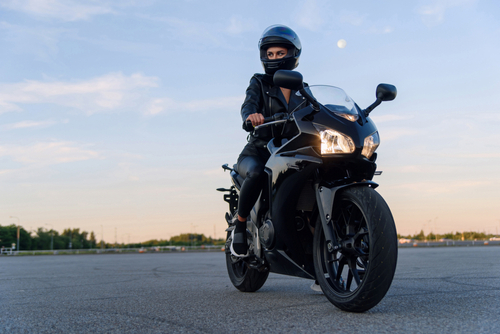
Picture this: you’re cruising down I-4 as the sun sets over Central Florida, the warm evening air rushing past your helmet, when suddenly a car merges into your lane without warning. This scenario plays out far too often during nighttime hours, contributing to a staggering 62% of motorcycle fatalities occurring between 6PM and 6AM. According to NHTSA data, 39% of all motorcycle fatalities happen in the dark, with another significant portion occurring during dusk and dawn hours. These twilight and nighttime periods create a perfect storm of reduced visibility, driver fatigue, and increased risk factors that make riding particularly dangerous. If you’ve been affected by a nighttime motorcycle crash, understanding these risks and your legal rights becomes crucial for protecting yourself and your future.
💡 Pro Tip: Always wear reflective gear and use additional lighting on your motorcycle during evening rides – being visible can literally save your life when other drivers struggle to see you in low-light conditions.
Don’t ride alone in your legal battle—let Norden Leacox be your guide in navigating the complex aftermath of nighttime motorcycle accidents. Secure the representation you deserve by calling us at 407-801-3000 or contact us today. Your path to justice starts with a conversation.
Your Legal Rights After a Motorcycle Accident in Orlando
Florida law provides specific protections for motorcyclists injured in accidents, especially when those crashes occur due to another driver’s negligence during nighttime hours. Under Florida Statute 316.211, riders over 21 can choose whether to wear a helmet if they carry at least $10,000 in medical insurance coverage, but this decision can significantly impact your case if you suffer head injuries in a motorcycle accident in Orlando. The state’s comparative negligence laws mean that even if you’re partially at fault, you may still recover damages reduced by your percentage of fault. However, nighttime accidents often involve complex liability issues, as factors like inadequate street lighting, impaired driving, and visibility challenges can all play crucial roles in determining fault.
Florida’s crash report system adds another layer to consider – these reports remain confidential for 60 days after filing, which means gathering evidence quickly becomes essential. The Florida Highway Safety and Motor Vehicles (FLHSMV) serves as the official custodian of these reports, and their data consistently shows that Florida ranks among the top three states nationally for motorcycle fatalities. This sobering reality underscores why riders need to understand their rights and take proactive steps to protect themselves legally after any collision, particularly those occurring during high-risk nighttime hours.
💡 Pro Tip: Document everything at the accident scene, including street lighting conditions, weather, and time of day – these details become crucial evidence in nighttime accident cases where visibility issues often determine liability.
What to Expect: Your Path Forward After a Nighttime Motorcycle Crash
Navigating the aftermath of a nighttime motorcycle collision requires understanding both immediate actions and long-term legal processes. The timeline for resolving these cases often extends longer than daytime accidents due to the additional investigative work required to establish visibility conditions and fault. Florida’s two-year statute of limitations for negligence claims means you have a specific window to file a lawsuit, but waiting too long can compromise crucial evidence about lighting conditions, witness availability, and surveillance footage that may only be retained for limited periods.
- Within 24-48 hours: Seek comprehensive medical evaluation even for seemingly minor injuries, as adrenaline can mask serious conditions common in frontal motorcycle impacts (which account for 75% of fatal two-vehicle motorcycle crashes)
- First week: Report to insurance and begin documenting all injuries, as 82,686 motorcyclists were injured nationally in 2021 alone, many with delayed symptom onset
- Days 1-60: Crash reports remain confidential during this period – work with legal counsel to preserve evidence and identify witnesses while memories remain fresh
- Months 1-6: Medical treatment continues while building your case, particularly important given that 67% of motorcycle fatalities occur in urban areas like Orlando where multiple parties may share liability
- Months 6-24: Case development, negotiations, or litigation preparation, keeping in mind Florida’s comparative fault rules and the unique challenges of proving nighttime visibility issues
💡 Pro Tip: Request traffic camera footage immediately – many municipalities only retain this crucial nighttime accident evidence for 30 days, and it can definitively show lighting conditions and driver behavior.
Turning Tragedy into Justice: How Skilled Legal Representation Makes the Difference
Resolving a nighttime motorcycle accident in Orlando requires more than just filing an insurance claim – it demands a comprehensive understanding of the unique factors that make these cases particularly complex. The team at Norden Leacox brings extensive experience handling motorcycle accident cases throughout Central Florida, recognizing that nighttime crashes often involve multiple contributing factors beyond simple driver error. From investigating inadequate road lighting on Colonial Drive to proving that a left-turning driver (involved in 43% of fatal two-vehicle motorcycle crashes) failed to yield right-of-way in darkness, building a strong case requires thorough investigation and strategic legal action.
The path to fair compensation often involves challenging insurance company assumptions about motorcycle riders and nighttime driving. Insurance adjusters may attempt to shift blame by claiming riders are harder to see at night or questioning whether proper lighting equipment was functioning. However, Florida law clearly establishes that all drivers have a duty to exercise reasonable care, regardless of the time of day. This includes checking blind spots, using turn signals, and yielding appropriately – obligations that become even more critical during the 6PM-6AM window when visibility challenges increase the risk of catastrophic accidents. When you consult a lawyer experienced in these cases, you gain an advocate who understands how to counter these tactics and build compelling evidence for your claim.
💡 Pro Tip: Keep a detailed journal of how your injuries affect your daily activities, especially sleep disturbances and nighttime anxiety common after evening crashes – these documented impacts can significantly strengthen your damage claims.
The Science Behind Nighttime Motorcycle Visibility Challenges
Understanding why nighttime hours prove so deadly for motorcyclists requires examining the intersection of human physiology and traffic dynamics. The human eye’s ability to judge distance and speed diminishes significantly in low-light conditions, making it harder for drivers to accurately assess an approaching motorcycle’s position. This biological limitation becomes particularly dangerous at intersections, where 35% of motorcycle fatalities occur, as turning drivers frequently misjudge or completely fail to see oncoming riders. The problem intensifies on non-interstate roads, where 92% of motorcycle fatalities happen and street lighting often proves inadequate or inconsistent.
Critical Factors That Increase Nighttime Crash Risk
Several compounding factors transform the 6PM-6AM timeframe into a danger zone for motorcycle accident in Orlando cases. Driver fatigue peaks during these hours, reducing reaction times and decision-making abilities. Impaired driving rates surge after dark, with alcohol involvement playing a role in many nighttime collisions. Additionally, the smaller profile of motorcycles compared to cars becomes even more problematic when contrast with surroundings diminishes. The common causes of motorcycle accidents during nighttime hours often involve multiple risk factors converging – a tired driver failing to check blind spots, poor street lighting obscuring a rider’s presence, and the motorcycle’s single headlight being mistaken for a distant car rather than a nearby bike.
💡 Pro Tip: Install auxiliary LED lights on your motorcycle to create a larger light signature – studies show that enhanced lighting configurations can increase driver recognition distance by up to 20% in nighttime conditions.
Breaking Down Florida’s Alarming Motorcycle Fatality Statistics
Florida’s distinction as the deadliest state for motorcyclists isn’t coincidental – with 668 motorcycle deaths in 2023 alone, the state significantly outpaced both Texas (598) and California (583) despite having smaller populations than both states. This troubling trend reflects a doubling of motorcycle deaths over the past 25 years, indicating systemic safety challenges that particularly manifest during nighttime hours. The concentration of fatalities in urban areas (67% of all motorcycle deaths) suggests that city traffic patterns, combined with inadequate lighting infrastructure and higher traffic density, create especially hazardous conditions for riders after dark.
Weather and Environmental Factors in Nighttime Crashes
While 97% of motorcycle fatalities occur in clear or cloudy conditions, this statistic becomes more complex when examining nighttime accidents. Clear nights can create false confidence for both riders and drivers, leading to higher speeds and reduced caution. The absence of rain doesn’t eliminate road hazards – oil spots, debris, and road imperfections become nearly invisible after dark, contributing to the 24% of motorcycles involved in fatal collisions with fixed objects (compared to just 17% for passenger cars). These single-vehicle accidents often result from riders encountering unexpected obstacles with insufficient time to react in darkness. Understanding these environmental factors helps build stronger cases for riders injured when road maintenance issues or inadequate hazard marking contribute to nighttime crashes.
💡 Pro Tip: Photograph accident scenes during both day and night if possible – demonstrating the dramatic difference in visibility can powerfully illustrate the challenges riders face and support claims about inadequate lighting or road marking.
Frequently Asked Questions
Understanding Nighttime Motorcycle Accident Claims
Riders and their families often have urgent questions after nighttime motorcycle crashes, particularly given the severity of injuries typically sustained in these accidents. The following answers address the most common concerns about pursuing compensation and protecting your rights after a motorcycle accident in Orlando during evening or early morning hours.
💡 Pro Tip: Write down all questions you have about your accident before meeting with an attorney – nighttime crash cases often involve unique circumstances that require detailed discussion.
Next Steps and Legal Process
Taking the right steps after a nighttime motorcycle accident can significantly impact your ability to recover fair compensation. Understanding the legal process helps you make informed decisions while focusing on your physical recovery.
💡 Pro Tip: Keep all medical appointments and follow doctor’s orders precisely – insurance companies often use missed appointments or non-compliance to argue that injuries aren’t as severe as claimed.
1. Why are nighttime motorcycle accidents more likely to result in fatalities than daytime crashes?
Nighttime motorcycle accidents prove deadlier due to multiple converging factors: reduced visibility makes motorcycles 50% harder to spot, driver fatigue peaks between midnight and 6AM, and impaired driving rates increase dramatically after dark. Additionally, emergency response times often lag during nighttime hours, potentially delaying critical medical care that could save lives.
2. Can I still pursue a claim if I wasn’t wearing a helmet during my nighttime motorcycle accident in Florida?
Yes, you can still pursue a claim. Florida law allows riders over 21 to ride without helmets if they carry $10,000 in medical insurance. However, not wearing a helmet may affect your damage recovery if you sustained head injuries, as the defense might argue comparative negligence. An experienced Orlando FL motorcycle accident attorney can help minimize this impact on your case.
3. What evidence is most important for proving fault in a nighttime motorcycle crash?
Critical evidence includes surveillance footage showing lighting conditions, witness statements about visibility, police reports documenting road conditions, and expert accident reconstruction. Photos of skid marks, debris patterns, and street lighting taken soon after the accident prove invaluable, as these conditions can change quickly.
4. How long do I have to file an Orlando FL motorcycle accident lawsuit after a nighttime crash?
Florida’s statute of limitations gives you two years from the accident date to file a personal injury lawsuit. However, evidence crucial to nighttime accident cases – like surveillance footage and witness memories about lighting conditions – degrades quickly. Starting your case promptly ensures the best chance of preserving vital evidence.
5. Should I accept the insurance company’s initial settlement offer for my nighttime motorcycle accident?
Initial offers rarely reflect the true value of nighttime motorcycle accident claims, especially given the severe injuries common in these crashes. Before accepting any settlement, consult an Orlando motorcycle injury lawyer who can evaluate whether the offer fairly compensates for medical costs, lost wages, pain and suffering, and potential long-term impacts of your injuries.
Work with a Trusted Motorcycle Accident Lawyer
When 62% of motorcycle fatalities occur during nighttime hours, choosing the right legal representation becomes crucial for protecting your rights and securing fair compensation. The complexities of proving fault in reduced visibility conditions, combined with the severe injuries typical in these crashes, demand legal counsel with specific experience in motorcycle accident cases. A knowledgeable attorney understands how to investigate lighting conditions, challenge visibility-based defenses, and build compelling cases that account for the unique dangers motorcyclists face after dark. By working with a law firm that recognizes these challenges and has successfully handled similar cases, you position yourself for the best possible outcome while focusing on your recovery.
Navigate the complexities of nighttime motorcycle accidents with Norden Leacox by your side. Don’t let reduced visibility and insurance hurdles stand in your way—reach out at 407-801-3000 or contact us today to secure your path to justice.
